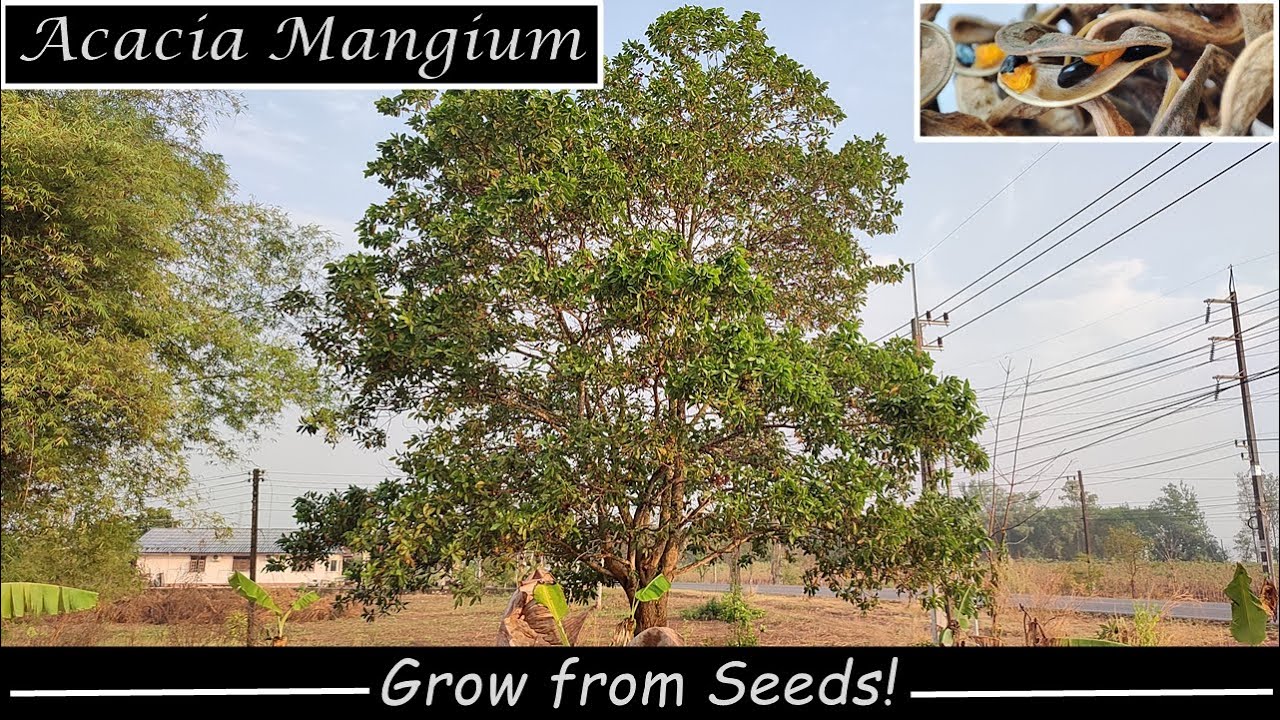
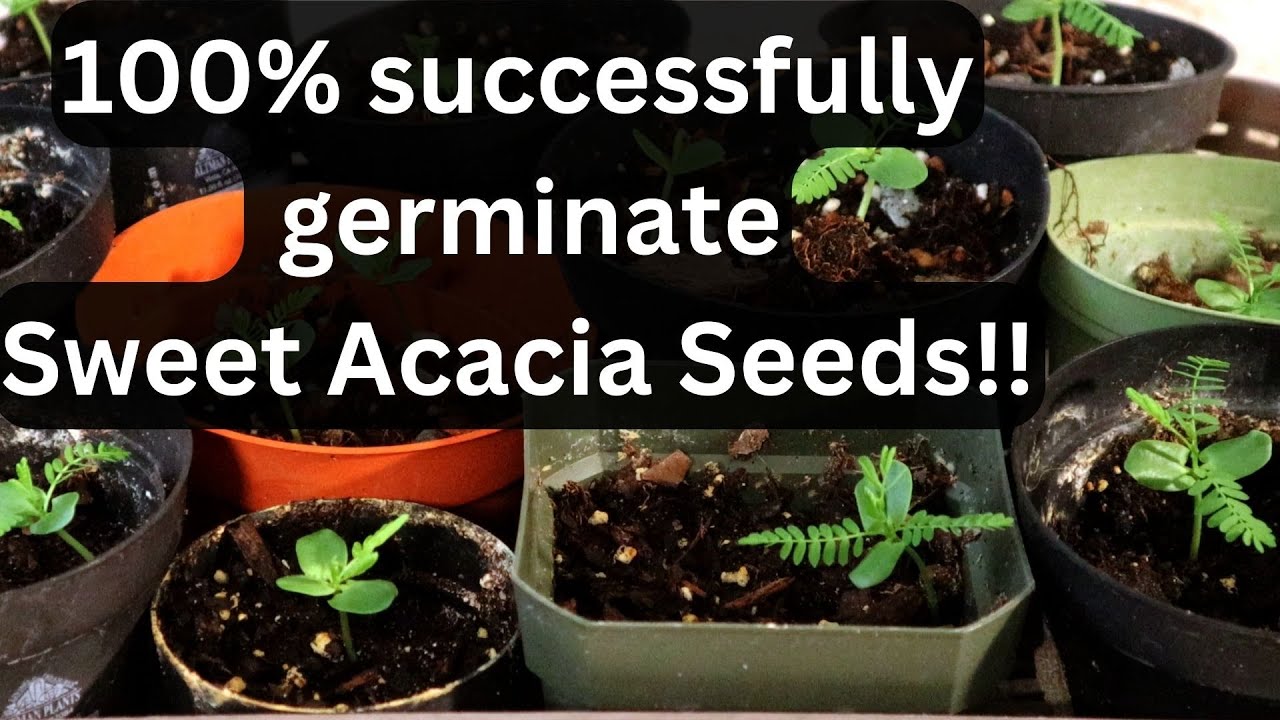
Acacia Baileyana, from seed to 8 Foot Tree in 500 Days
Автор: Do It Yourselfer Home and Garden Guy
Загружено: 2022-10-12
Просмотров: 3964
Update--Here is a link to the Acacia Baileyana almost three years old, larger and in bloom:
• 3 Year Update on Seed-Grown Acacia Baileya...
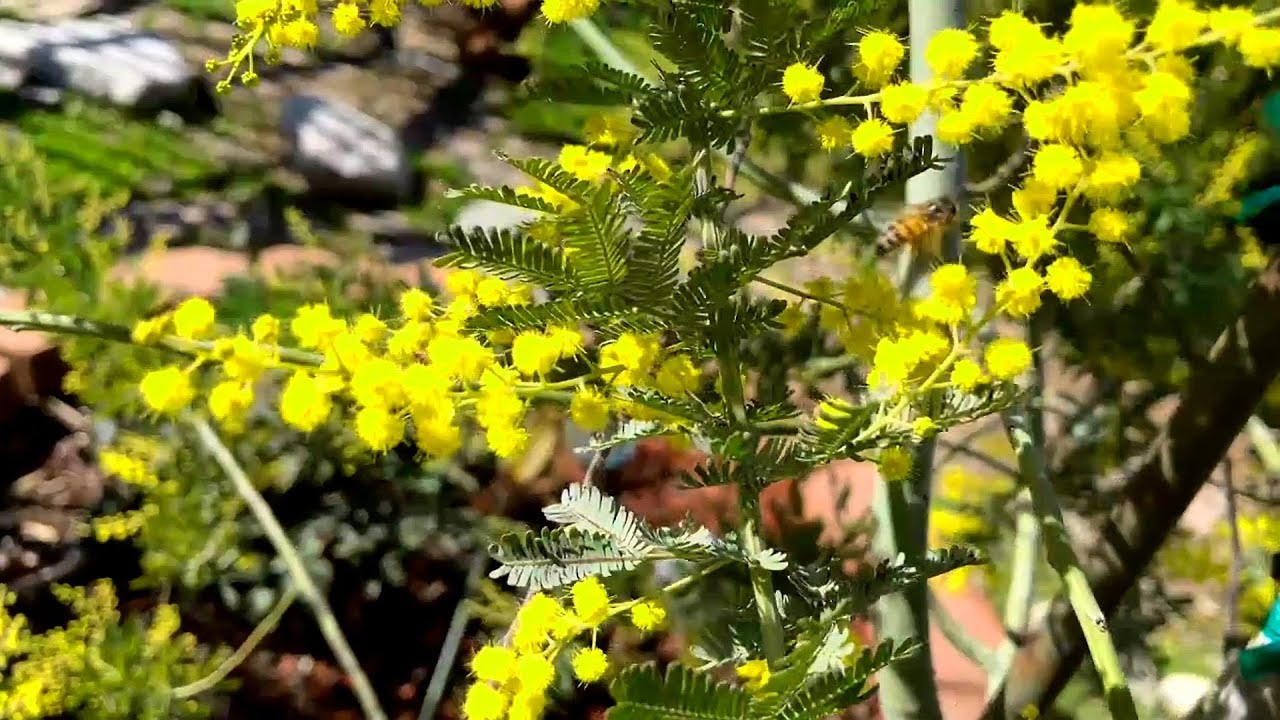
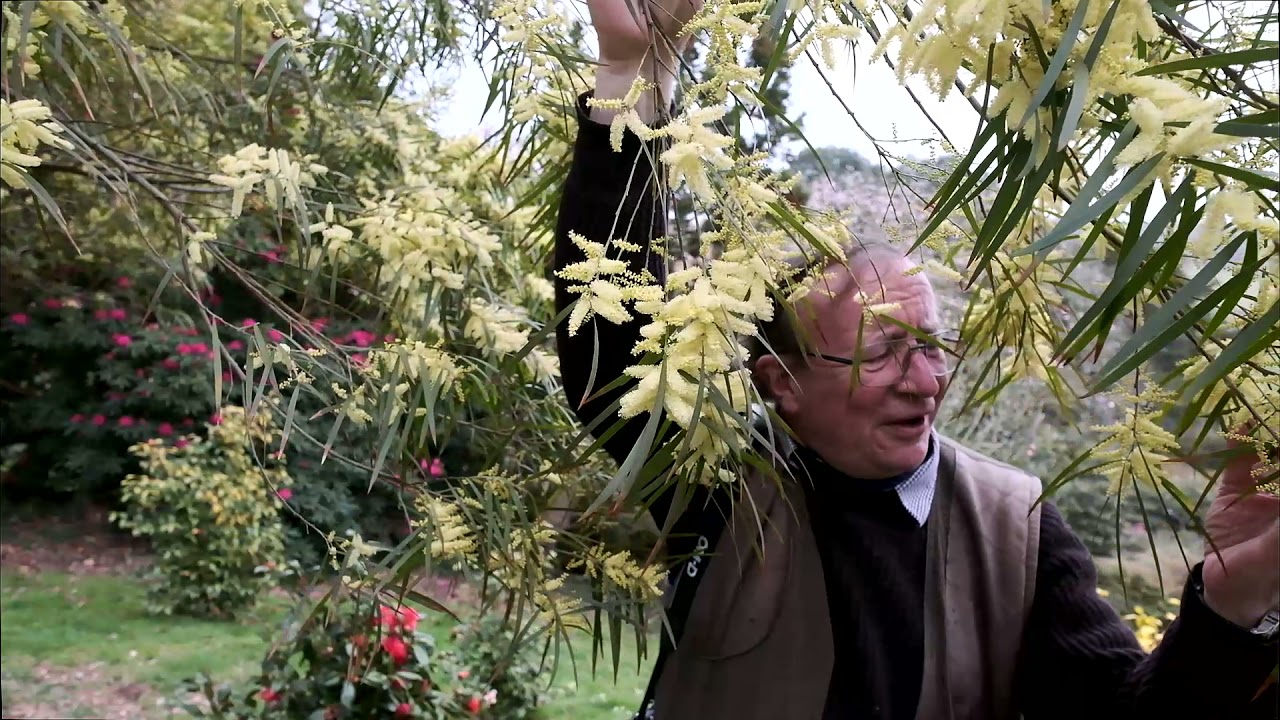
What created my interest in the Acacia Baileyana was when I saw the vibrant yellow “pompom-like” flowers that it produces in the winter and spring time here in Southern California. I have a nice-looking Texas mesquite tree that looks similar to the acacia and produces comparable pompom flowers; however, it is deciduous and flowers in late spring and early summer; and its pompom flowers are tan or beige in color, while the Acacia Baileyana’s are an intensely vibrant yellow and even produce a light honey smell. Both of these trees are nitrogen fixers, which means they will capture the nitrogen in the air and move it down to the soil via their root system. It is reported that birds enjoy eating the seeds produced inside its pods that average in length to about 3 inches. Finally, this tree is native to New South Wales, Australia.
Some basic growing facts that I have picked up on this tree is that it does best in zones 9-10. It does not like frost; prolonged freezing will severely damage or kill it. It does well in various types of soil, from sandy to loamy, and is drought tolerant once established; its water needs are very moderate. Another important note for this tree is that in high winds its branches can break, making this is an important consideration as to choosing where to place it in the landscape. There are various reports of its lifespan range from as little as 10 years and up to 25. (Have you heard of longer-lived ones? Let me know in the comments…)
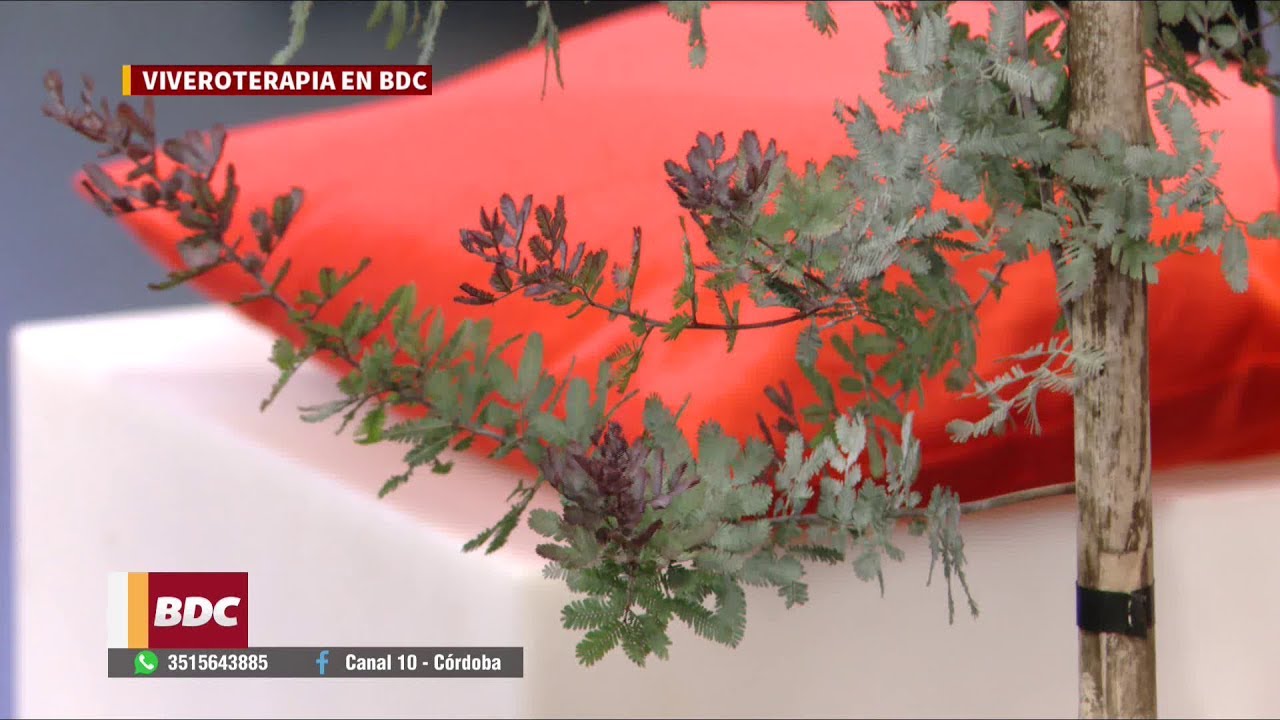
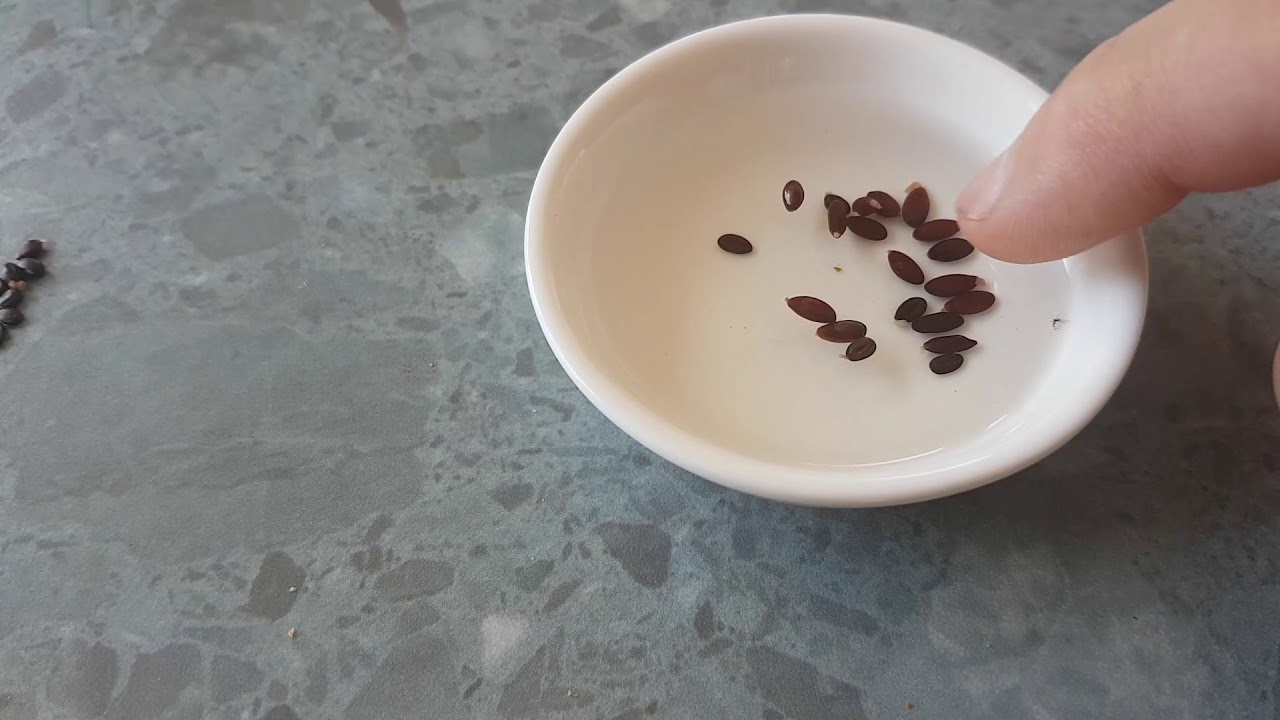
By choosing to grow by seed, there can be large variances, unlike “cloning” or taking a cutting. I did see a range of variance, from the color of leaves to what appear to be shrub like plants. Therefore, to obtain a tree or shrub when using seeds, it might be worthwhile to plant as many as possible to increase your odds of finding the type/structure you are looking for. (Seeds can be purchased on Amazon, E-Bay and other online sellers.) Finally, sphagnum peat moss was used to start the seeds, the next step up was regular Miracle-Gro potting soil, and the last large container step up was Miracle-Gro Cactus, Palm & Citrus Soil; I chose it for its fast-draining potential, as it contains both sand and perlite in its mix; and its added fertilizers are extremely low on NPK (0.13%, 0.03%, 0.10%), which allowed me to continue with my supplemental fertilizing regime. I do make my own potting soil using composted wood chips, mulch, and kitchen scraps, usually ending up with around 20 to 30 cubic feet of nice soil. However, the many raised beds and new plantings in my yard use up my material within a month or two of the early growing season. I therefore purchase what I consider good soils commercially produced. If I would have had my own compost, I would have made this mix for my Acacias as follows: 25% perlite, 25% construction sand, and 50% highly composted soil. The high use of sand and perlite would assist in making the soil drain fast.
Here is a link to the mobile plant protection cage I spoke of in this video: • Building a Plant Protection Cage on Wheels (It has helped make me feel confident about protecting my seedlings as well as growing herbs and other select plants; I have found it convenient and useful here in zone 10-A for year-round use.)

Доступные форматы для скачивания:
Скачать видео mp4
-
Информация по загрузке: