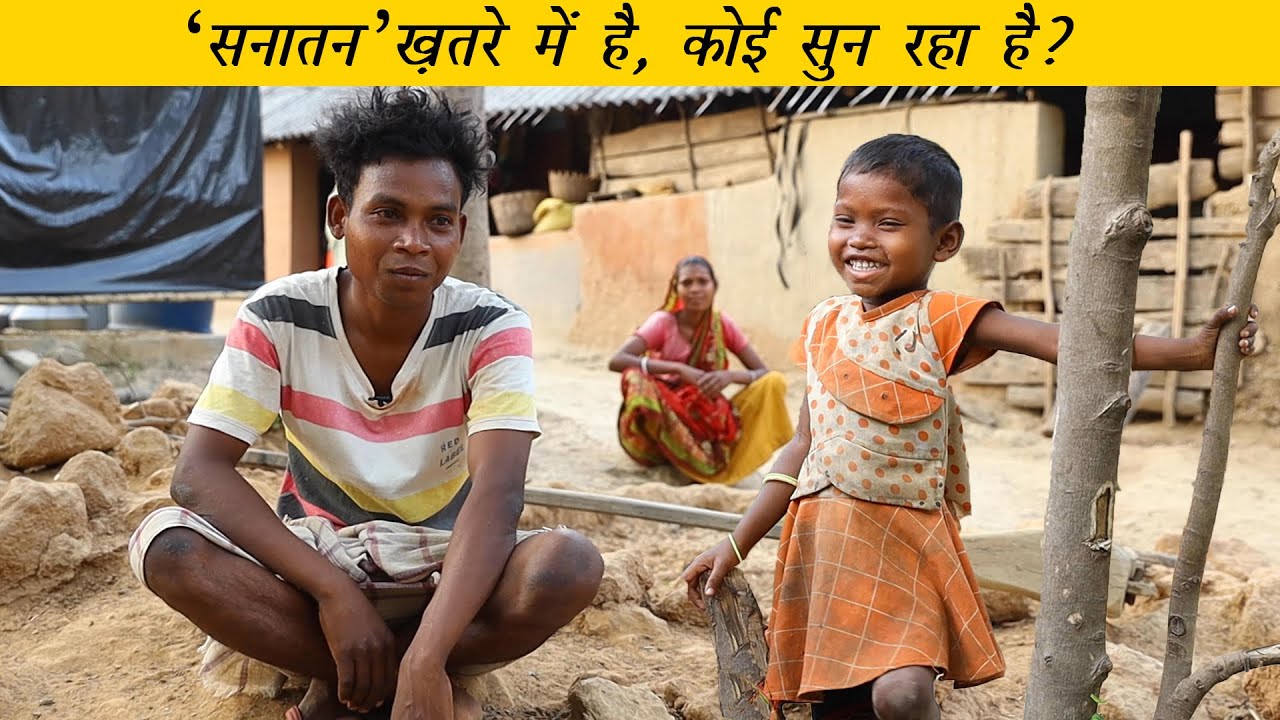
PVTG, SNO:18, HILL KHARIA- TRIBE STRUGGLING FOR SURVIVAL (RESEARCH FILM) BY T. SUBRAMANYAM NAIDU
Автор: Naidu
Загружено: 2023-02-01
Просмотров: 300
HILL KHARIA TRIBE- STRUGGLING FOR SURVIVAL, AN ETHNOGRAPHIC FILM BY PROF. T. SUBRAMANYAM NAIDU
The term khadia (kharia) is used from the word of ‘Khad’ or ‘Khadi’. In Hindi it means ‘Dole’. This was used to carry the king by the ‘Khadia’ people. They were known as khadia people.
The Hill Kharia are also called Pahari (meaning “Hill”) Kharia, Savara/Sabar, Kheria, Erenga, or Pahar. Outsiders call them Kharia but they call themselves as Sabar. They are called “Pahari (Hill) Kharia” because they live in the forest and depend upon forest produces.
Concerning the origin of the name “Kharia”, Russell and Hiralal (1916) suggest that it is a jargon term derived from Khar-Kharia, palanquin or litter. The original name Khar-Kharia has been contracted to Khaia who carry palanquin. The Kharia are thus named in accordance with the tradition that their first ancestors carried a banghy (carrying pole).
SOCIAL ORGANISATION
There are several gotras (clans) among the Hill Kharia such as Golgo, Bhunia, Sandi, Gidi, Dehuri, Pichria, Nago, Tolong, Suya, Dhar, Tesa, Kotal, Kharmoi, Digar, Laha, Saddar, Sikari, Rai, Dungdung, Bilung, Kiro, Kerketta, Soreng, Kullu, Baa, Tete, Dolai, Sal, Alkosi and Khiladi.
Political Organization
Every Hill Kharia village has its traditional panchayat and village headmen and other leaders. The village headman is called PRADHAN who presides over the village meeting and decides interpersonal disputes, cases of breaches of s In the village panchayat cases related to breaking insect taboo and extramarital relation inter-tribe marriage, intraclan marriage; divorce, a division of property etc. are decided. In the village panchayat, heads of the family members participate and takes a decision. The decision of the panchayat is binding a final.
Economic Organisation
The Hill Kharia leads a semi-nomadic life by nature. Inhabiting areas are rich in numerous plant and animal species as well as minerals.
Major NTFPs collection include
Honey, bees wax, kusum seeds, karanj seeds, char seeds, tasar cocoons, sal resin, mahua fruits and flowers, arrowroot, sal leaves, siali leaves, and firewood are the main NTFPs collected by Hill-Kharia for the purpose of sale. The uses of Non-timber forest products are meant for only consumption goods, goods for marketing or both consumption and marketing. It is observed that there are 42 types of NTFPs is being collected by the Hill-Kharia in the study villages. These types include variety in terms of the plant parts and animal parts used for several purposes. These include almost all parts of the plant, including fruits, leaves, flower, bark, stem, seeds, root and tuber, gum, and others. They collect the forest products for two purpose, one if for self-use and another is for sale. The NTFPs collected for sale and own consumption are Amra, Dahu, Jamun, Mango, Dumar, Jackfruit, Wild Fibres, Broom grass, Mushroom, Ber, Fodder, Harra, Bahera, Drumstick, Fuller’s Earth, Chew Sticks, Medicinal plants, Bamboo, Tamarind, Guava, Bel, Amla, Papaya, Fishes and Yams.
Conclusion
The study concluded that Hill-Kharia tribe are facing numerous livelihood challenges for their survival. Sex ratio of Hill-Kharia is satisfactory but literacy rate is very worse. More than eight per cent of the population are illiterate and female literary is in vulnerable state among Hill-Kharia tribes. Around ninety per cent of the households are having food gathering as their principal occupation and source of survival.
Hill-Kharia and Mankirdia Development Agency (HKMDA) The headquarter at Jasipur, the HKMDA micro project has been working since 1987 with the aim to bring all round development by implementing development programmes to raise their standard of living and to ensure quality life to Hill-Kharia
Even today, forest is the main source of survival among Hill-Kharia tribes. They collect the forest produce for their own consumption and also sell in the market to earn money. So, forest produce and labour is their main source of income and livelihood. They spend more on non-food items compare the food items. In non-food items, they spend more on social ceremonies, alcohol and ornaments. Drinking alcohol is a major problem among Hill-Kharia and it weaken their economic condition and condition of their health..
C
The effort made by the state and central govt schemes has not successfully empower them and improved their condition. Therefore, special policy measures must be taken urgently to save them from vulnerability, improve their living condition and bring them as per with other communities. It is suggested that there is an urgent need to prepare a policy planning report in assessing the aspects such as their livelihood pattern, housing, drinking water, education, economy, health, and infrastructure, transportation and communication facilities available in the Hill Kharia villages for their development and conservation.

Доступные форматы для скачивания:
Скачать видео mp4
-
Информация по загрузке:








![СМЕРТЕЛЬНЫЕ ДУХОВЫЕ ТРУБКИ БОРНЕО - Полный документальный фильм на русском языке [Borneo Death Blow]](https://imager.clipsaver.ru/TiQBTesZUJQ/max.jpg)


