Baby Not Meeting Motor Milestones? When to Get Help | Brighton Center San Antonio
Автор: BrightonCenterSA
Загружено: 2026-01-16
Просмотров: 18
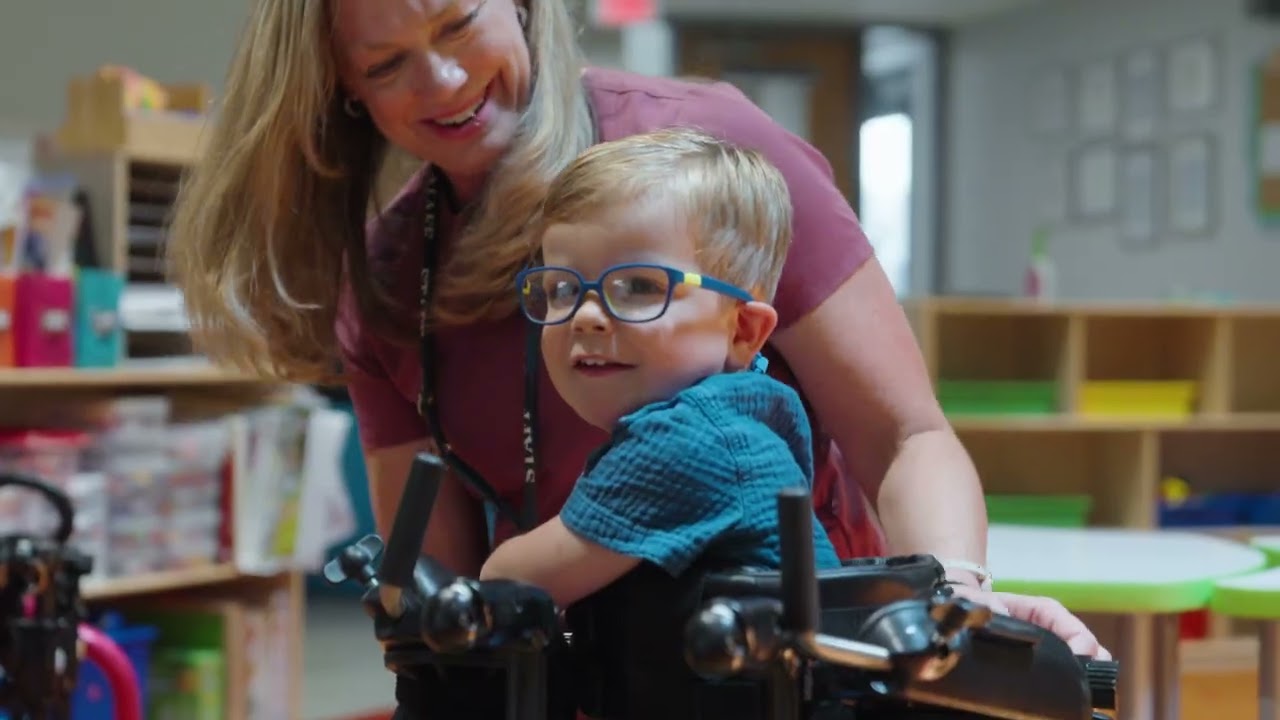
When Bella was born, her parents noticed something wasn't quite right. Her movement milestones seemed delayed compared to other children her age. Like many parents, they weren't sure if they should worry or wait it out.
Thankfully, Bella's parents were referred to Brighton Center, where she began receiving physical therapy services as an infant—and her progress has been nothing short of remarkable.
Bella's story is one of thousands we've witnessed at Brighton Center since 1969. It's a story about the power of early intervention, the partnership between therapists and families, and the incredible potential that every child carries within them.
WHY EARLY PHYSICAL THERAPY MATTERS
Gross motor development is about so much more than just learning to walk. When children develop strong foundational movement skills, they're actually creating pathways in the brain that support every area of development. Physical therapy builds the strength and coordination that support fine motor skills like writing and cutting. It develops body awareness that helps children navigate their environment safely. It promotes cognitive development through movement and exploration. And it even supports speech development by building the core strength needed for breath control and vocalization.
The connections between physical development and overall child development are profound. When we help a child build a stronger body, we're laying the foundation for learning, social connection, and lifelong success.
RECOGNIZING THE SIGNS EARLY
Parents are often the first to notice signs that their child may need help with gross motor development. Every child develops at their own pace, but certain signs warrant attention. Delays in rolling over, sitting up, crawling, or walking compared to typical milestones may indicate a need for evaluation. Low muscle tone, where your baby may seem "floppy" or have difficulty holding their head up, is another sign to watch for. Stiffness or tightness in muscles that affects movement, asymmetrical movement or strongly favoring one side, difficulty with balance or frequent falling, and avoiding tummy time or weight-bearing activities can all signal that physical therapy support may be beneficial.
If you're noticing any of these signs, trust your instincts. Early intervention during the first years of life—when the brain is most adaptable—can make a tremendous difference in outcomes. The earlier we can identify challenges and provide support, the better.
HOW BRIGHTON CENTER PHYSICAL THERAPY WORKS
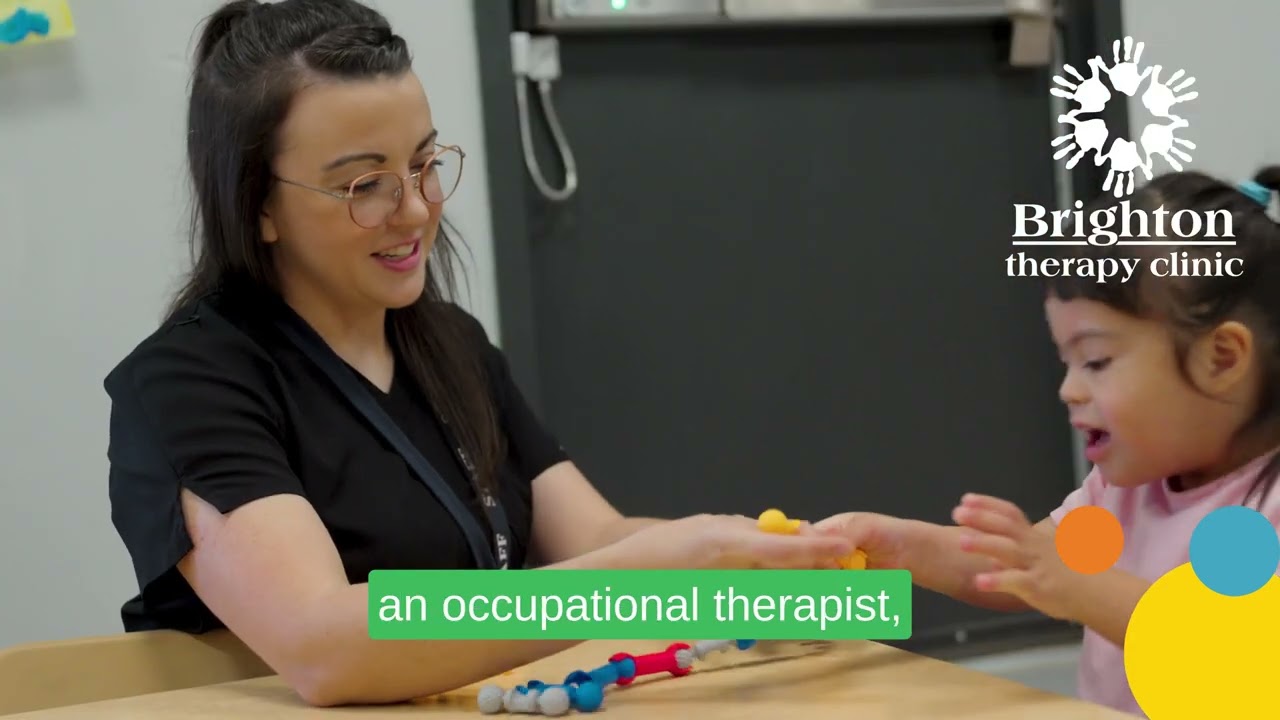
At Brighton Center, we believe therapy should be engaging, fun, and tailored to each child's unique needs. Our licensed physical therapists use play-based activities to help children build the skills they need while enjoying the process.
During sessions, your child might work on core strength through games, obstacle courses, and movement activities that don't feel like "exercise." Balance and coordination activities help children develop the stability they need for walking, running, and climbing. Body awareness exercises teach children to understand where their body is in space and how to move it intentionally. Sensory play, puzzles, and creative activities like finger painting and coloring build fine motor foundations while engaging multiple senses.
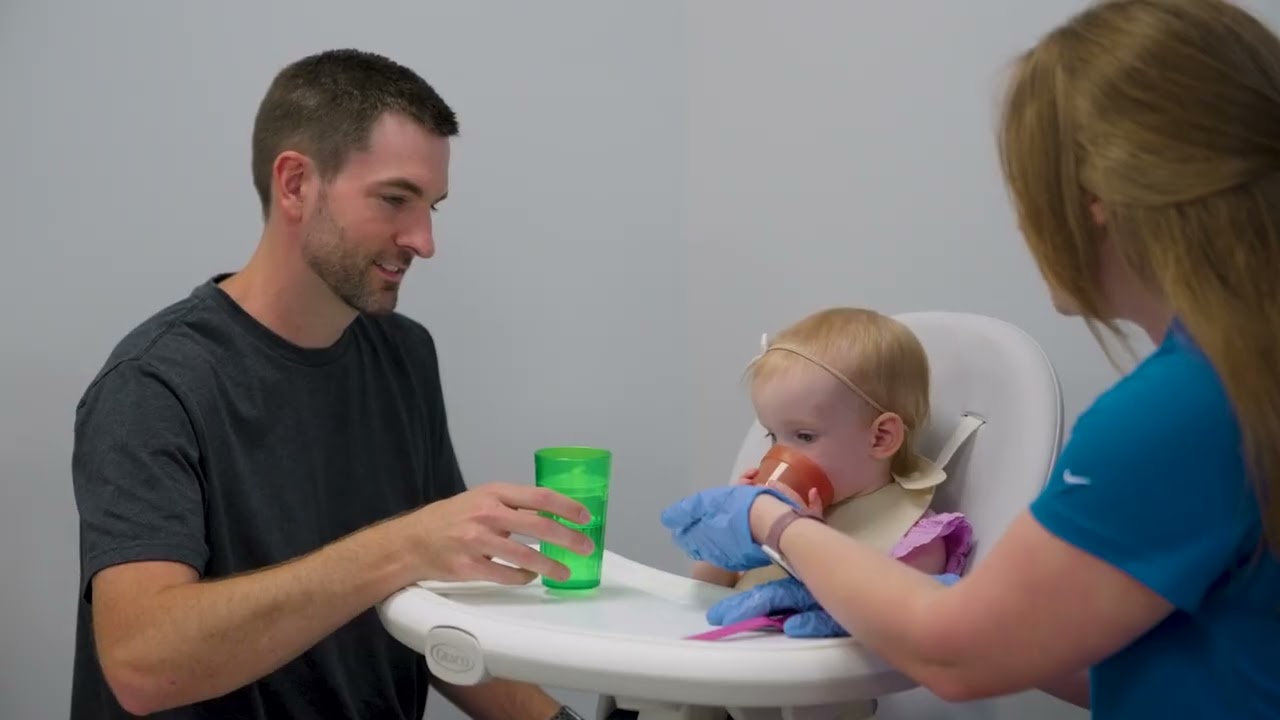
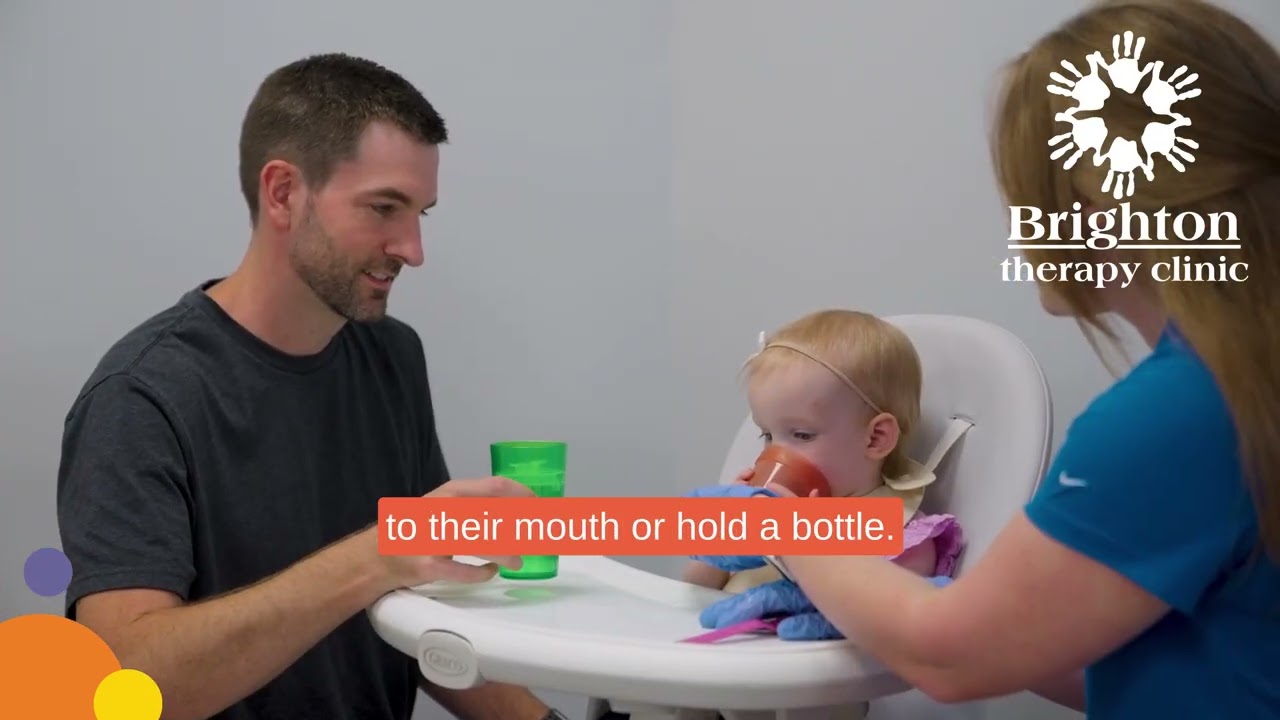
We also support mobility through specialized tools when needed. Sit-to-stand boxes help children practice transitions. Adaptive seating provides proper positioning for children who need additional support. And all equipment and approaches are selected based on each individual child's needs and goals.
PHYSICAL THERAPY AND SCHOOL READINESS
Many parents don't realize how directly physical therapy connects to school readiness. Strong posture helps children sit comfortably and focus during classroom activities. Core strength supports the fine motor control needed for writing, cutting, and other academic tasks. Movement activities build cognitive abilities including attention, problem-solving, and memory. And physical confidence promotes the exploration and social skills that help children thrive in school environments.
Our physical therapists show you how to support your child's progress at home, demonstrating exercises and activities you can incorporate into daily routines. We explain why each activity matters, helping you understand the purpose behind what we're doing. We answer your questions and address your concerns, ensuring you feel confident and informed. And we celebrate milestones together, recognizing the progress your child makes both in therapy and at home.
🔗 SCHEDULE A PHYSICAL THERAPY EVALUATION: 🌐 Website: https://www.brightonsa.org 📞 Call Us: 210.826.4492 📋 Request Services: https://brightonsa.org/pediatric-ther... 📍 Serving San Antonio and Bexar County, Texas 🏠 Home-Based and Center-Based Services Available
Доступные форматы для скачивания:
Скачать видео mp4
-
Информация по загрузке: