How One Amish Man’s Strange Wall Method Kept His House 30°F Warmer
Автор: American Survival Archive
Загружено: 2026-01-23
Просмотров: 20
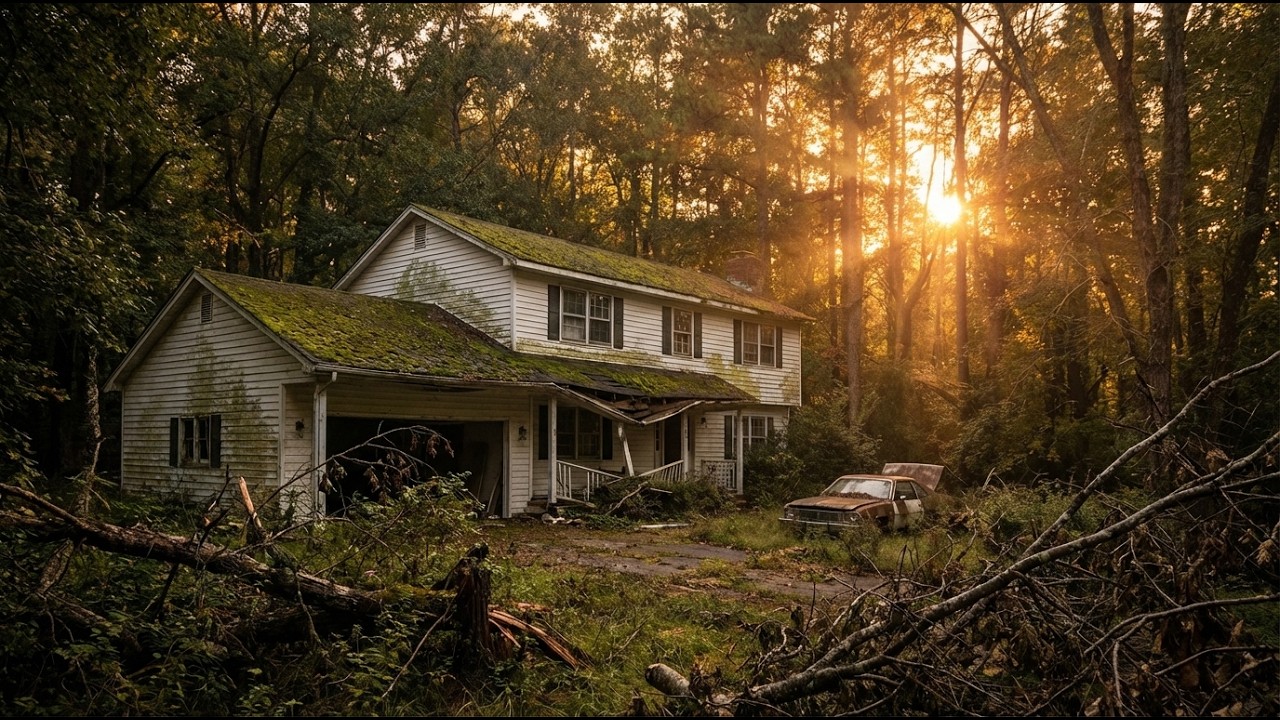
Pennsylvania, Lancaster County — Winter of 1952.
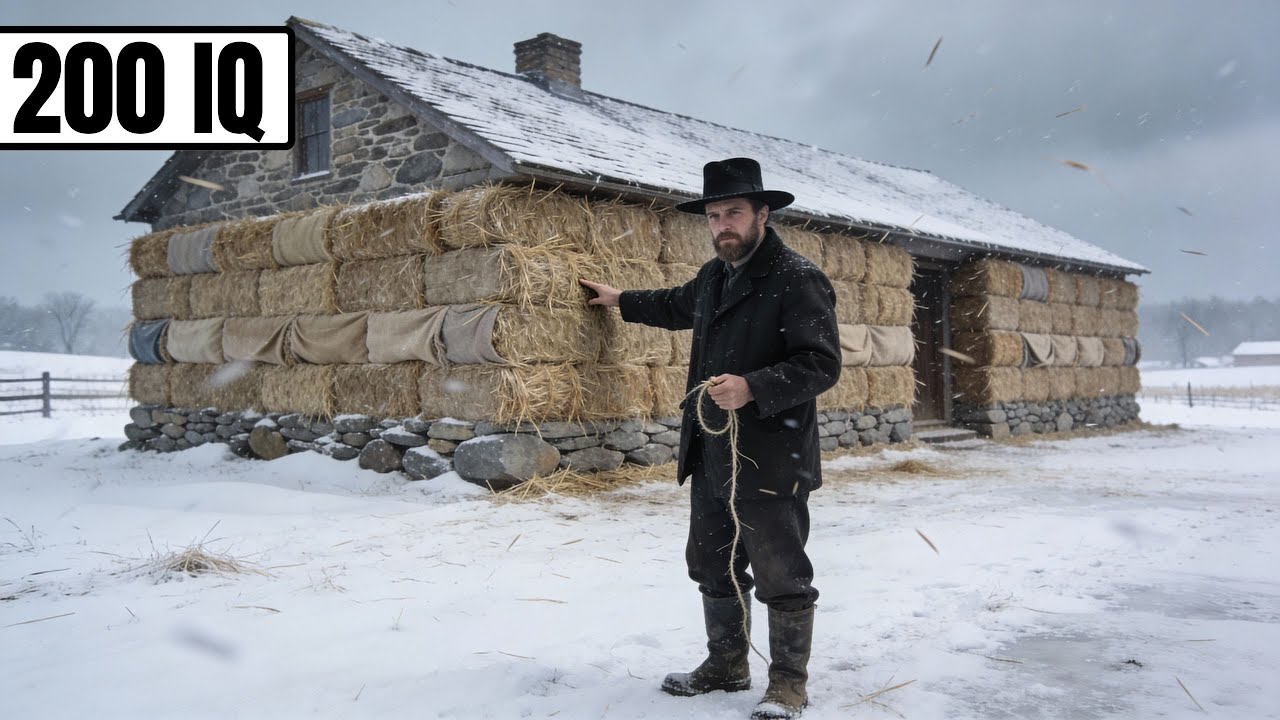
A grieving Amish carpenter stacks hay bales against the walls of his new farmhouse… and his entire community turns on him.
They call it lazy. Wasteful. An insult to tradition.
But Thomas Weaver isn’t trying to rebel, he’s trying to stop the cold from killing another child.
After losing his infant daughter to pneumonia in a farmhouse that never rose above 48°F, Thomas becomes obsessed with one question:
Why do “well-built” houses still stay dangerously cold no matter how much wood you burn?
So he does the unthinkable:
He wraps his limestone home in two layers of hay bales, trapping dead air, blocking wind, and unknowingly discovering an insulation principle modern engineers still study today.
And when January 1953 hits with brutal wind and subzero nights… something impossible happens inside that hay-wrapped farmhouse:
🔥 72°F.
That’s 30 degrees warmer than his brother’s home across the road, using far less firewood.
In this video, you’ll learn:
✅ Why thick stone walls can still lose heat fast
✅ How wind steals warmth through limestone
✅ The “dead air” insulation principle in plain language
✅ Why hay bales can outperform traditional materials
✅ How one desperate father changed winter survival for three Amish townships
❗️DISCLAIMER: This content is created for educational and storytelling purposes. The characters, events, and visuals shown are fictional, and all images are AI-generated. While the concepts and techniques referenced are inspired by real historical practices and established knowledge, they are presented for learning only. Any real-world application should follow current standards, safety guidelines, and applicable laws. This material does not constitute professional or legal advice.
Доступные форматы для скачивания:
Скачать видео mp4
-
Информация по загрузке: