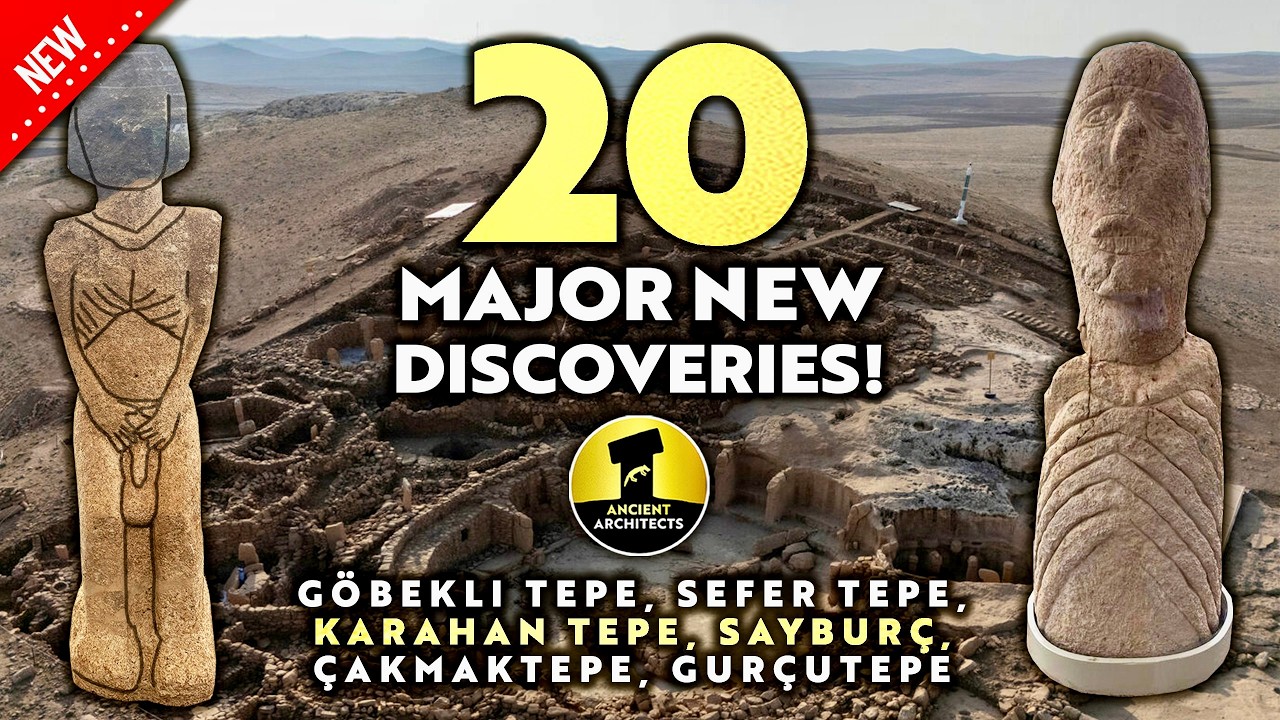
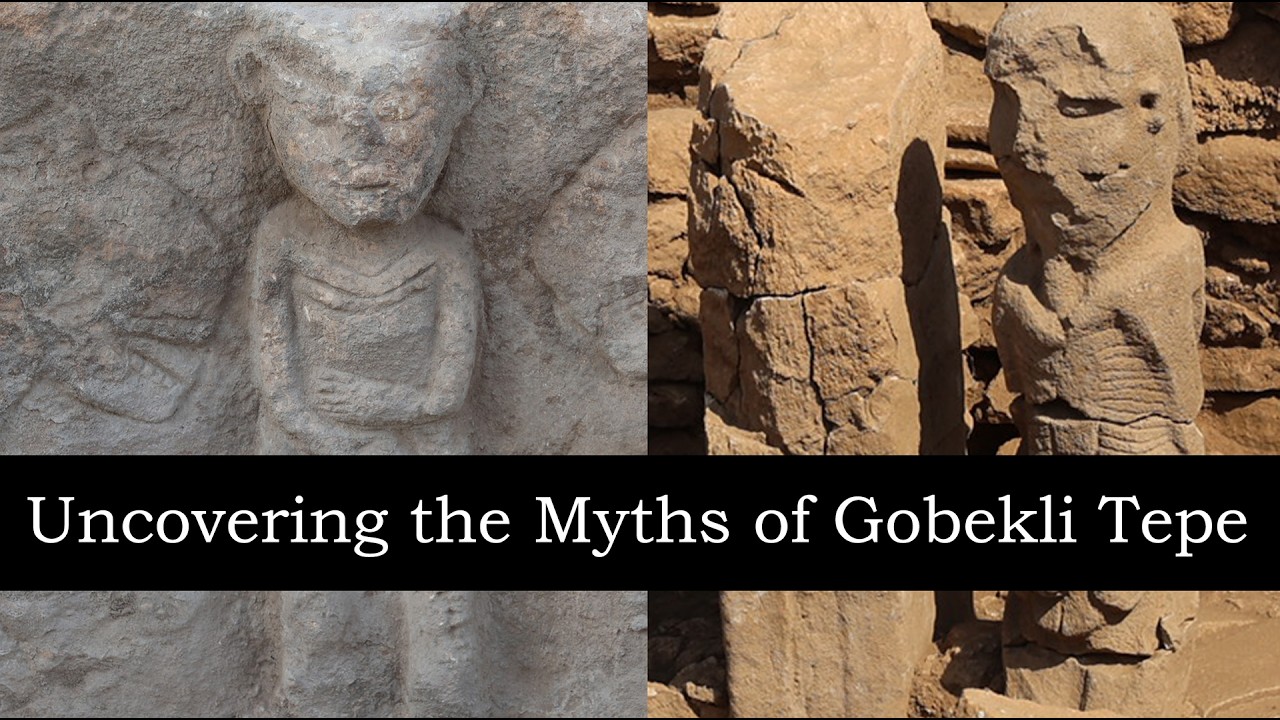
New 3D Scans Finally Reveal How Göbekli Tepe's T-Pillars Were Carved
Автор: Lost Engineering
Загружено: 2026-01-25
Просмотров: 12325
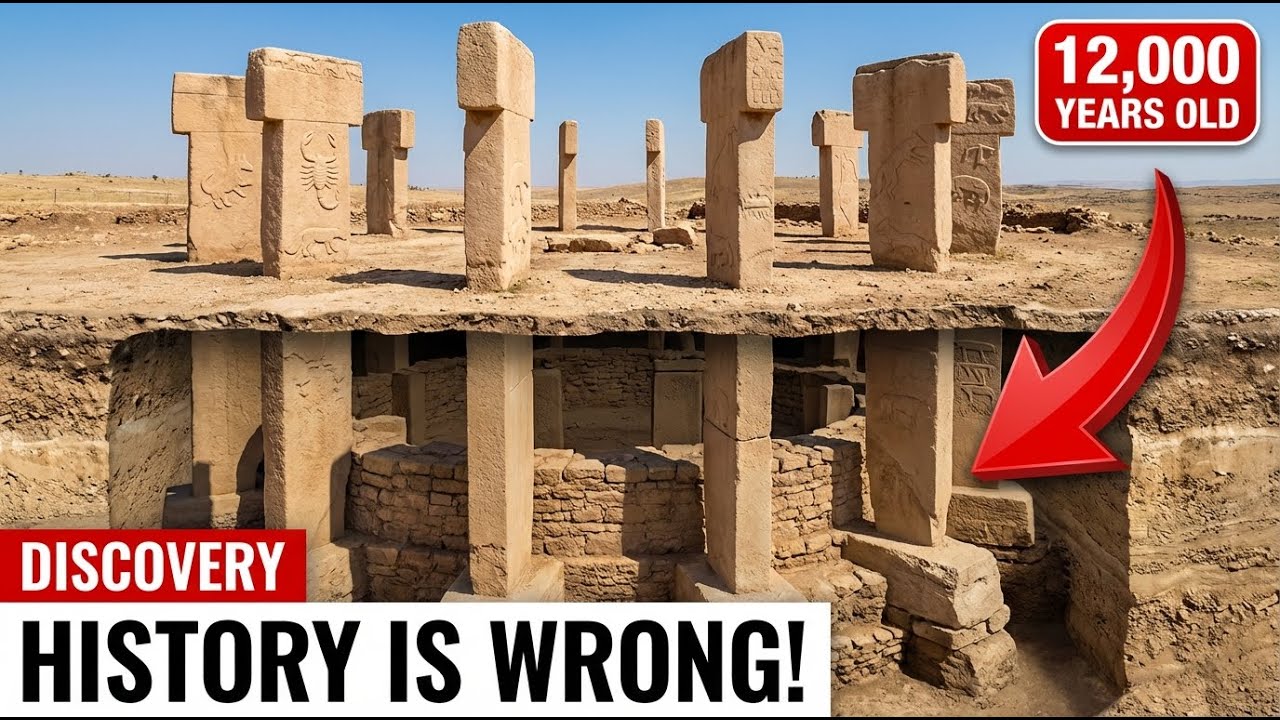
For over a decade, archaeologists have struggled to explain how hunter-gatherers carved Göbekli Tepe's massive T-shaped pillars with such precision — but new 3D scanning technology has finally exposed the truth.
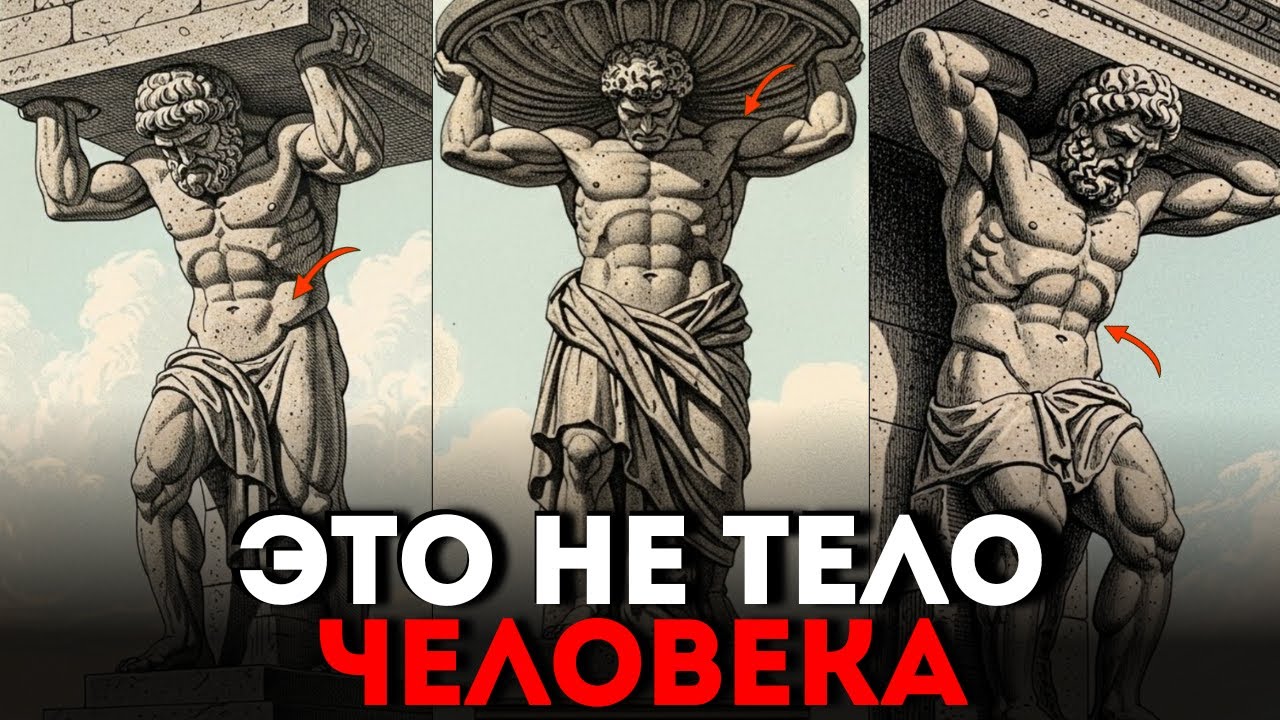
These aren't crude stone monuments. Each pillar weighs up to 20 tons, features intricate relief carvings of animals and symbols, and displays a level of geometric accuracy that shouldn't exist 11,600 years ago. The official story claims simple stone tools and primitive techniques, but the evidence tells a completely different story.
Recent high-resolution 3D scans have revealed tool marks, carving sequences, and construction methods that challenge everything we thought we knew about prehistoric capabilities. The marks left in the limestone show techniques that some modern stonemasons say would be difficult even with steel tools — yet we're told this was accomplished with rocks and copper chisels.
But here's where it gets even stranger: the pillars weren't just carved at the site. Evidence suggests they were quarried nearly a kilometer away, carved with stunning precision, then transported and erected by people who supposedly hadn't even invented the wheel yet. The scanning data reveals a systematic approach to stone working that implies knowledge, planning, and technology far beyond what hunter-gatherer societies are credited with possessing.
In this video, we break down exactly what the 3D scans show, the tool marks that don't match the timeline, and the construction methods that modern engineers admit they still can't fully replicate. The implications aren't just about Göbekli Tepe — they're about rewriting our entire understanding of human civilization's capabilities 12,000 years ago.
The evidence is in the stone itself. And it's telling a very different story than the one you've been taught.

Доступные форматы для скачивания:
Скачать видео mp4
-
Информация по загрузке: