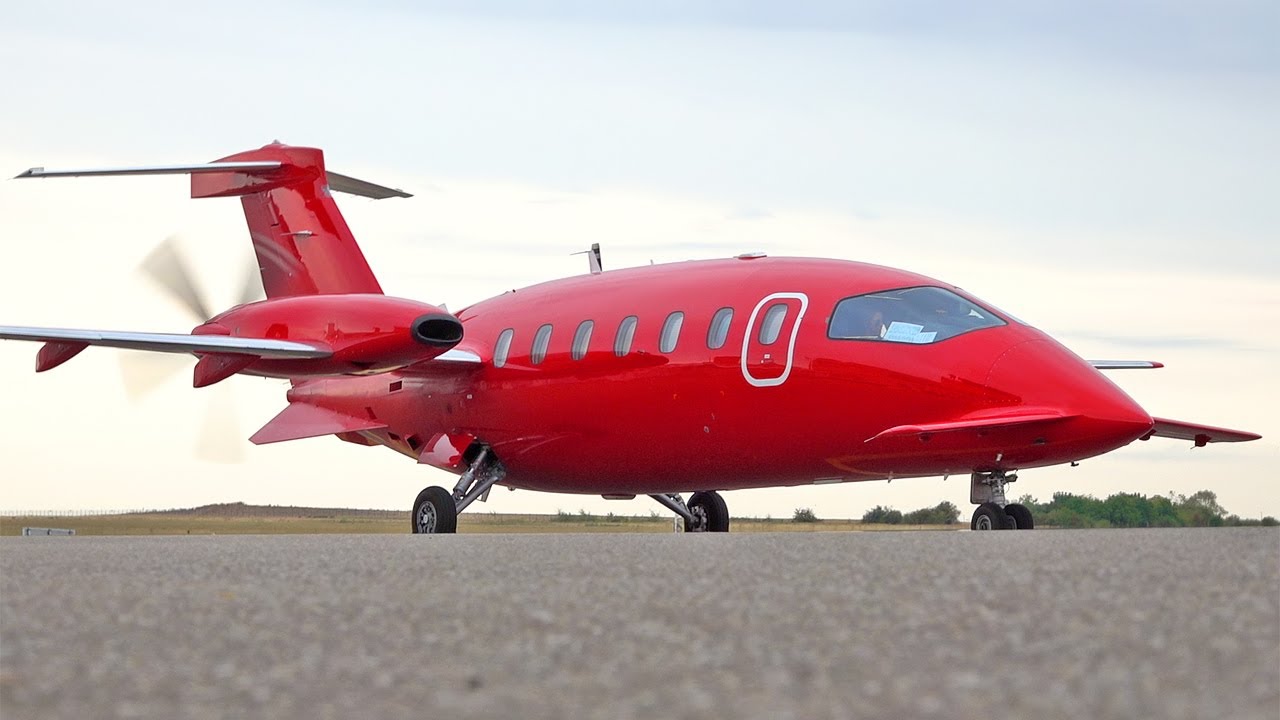
French Navy Xingu Landing | Rare Military Aircraft Footage
Автор: Foxxray
Загружено: 2026-01-25
Просмотров: 59
🌍 Nancy- Essey airport (ENC/LFSN)
#EmbraerXingu #EMB121 #Xingu #FrenchAirForce #ArmeeDeLAir #MilitaryAviation
#AviationLovers #PlaneSpotting #AircraftTakeoff #TwinTurboprop #Embraer
#AvGeek #PilotTraining #AviationVideo #FrenchNavy #AviationFrance #AirForce
#TakeoffFootage #MilitaryAircraft #aviationphotography
Embraer Xingu takeoff
French Air Force EMB‑121
Military turboprop aircraft
Twin‑engine Embraer aircraft
Pilot training aircraft France
French military aviation footage
Xingu II takeoff video
Embraer military aircraft
AvGeek military content
Turboprop takeoff sound
The Embraer EMB‑121 Xingu is a twin‑engine turboprop aircraft designed by the Brazilian manufacturer Embraer. Originally developed from the EMB‑110 Bandeirante, it combines the Bandeirante’s wings and Pratt & Whitney PT6 turboprop engines with a newly designed, pressurized fuselage. First flown in 1976, the Xingu was conceived as a versatile utility and training aircraft. It features a low‑wing configuration, a T‑tail, and retractable tricycle landing gear.
The aircraft can typically accommodate six to nine passengers, depending on configuration, and is known for its reliability, short‑field performance, and efficient operation. A more powerful variant, the Xingu II, introduced in 1981, is equipped with upgraded PT6A‑135 engines and increased fuel capacity, offering enhanced performance and range.
The French Air and Space Force and the French Navy are among its primary operators. France acquired 41 aircraft for pilot training, liaison, and transport missions—making it one of the Xingu’s largest and most longstanding military users. The type remains in service for multi‑engine training and operational missions.
L’Embraer EMB‑121 Xingu est un avion bimoteur à turbopropulseurs conçu par le constructeur brésilien Embraer. Issu du EMB‑110 Bandeirante, il en reprend les ailes et les moteurs Pratt & Whitney PT6, associés à un fuselage entièrement nouveau et pressurisé. Son premier vol a eu lieu en 1976. L’appareil se présente comme un avion utilitaire polyvalent destiné au transport, à la liaison et surtout à la formation. Il possède une aile basse, une dérive en T et un train d’atterrissage tricycle entièrement escamotable.
Selon l’aménagement, il peut accueillir six à neuf passagers, et est apprécié pour sa fiabilité, sa capacité à opérer sur des pistes courtes et son efficacité générale. La version Xingu II, introduite en 1981, est dotée de moteurs PT6A‑135 plus puissants et d’une capacité en carburant accrue, améliorant ses performances et son rayon d’action.
L’armée de l’Air et de l’Espace française, ainsi que la Marine nationale, comptent parmi ses principaux utilisateurs. La France a acquis 41 appareils pour l’entraînement des pilotes multimoteurs, les missions de liaison et le transport léger, faisant du Xingu un élément essentiel de sa flotte de formation. Le modèle est toujours utilisé pour l'instruction et diverses missions opérationnelles.

Доступные форматы для скачивания:
Скачать видео mp4
-
Информация по загрузке: