German POW Woman Hid From British Nurses — Until One Sat Beside Her and Held Her Baby First
Автор: WW2 Declassified
Загружено: 2025-11-30
Просмотров: 745
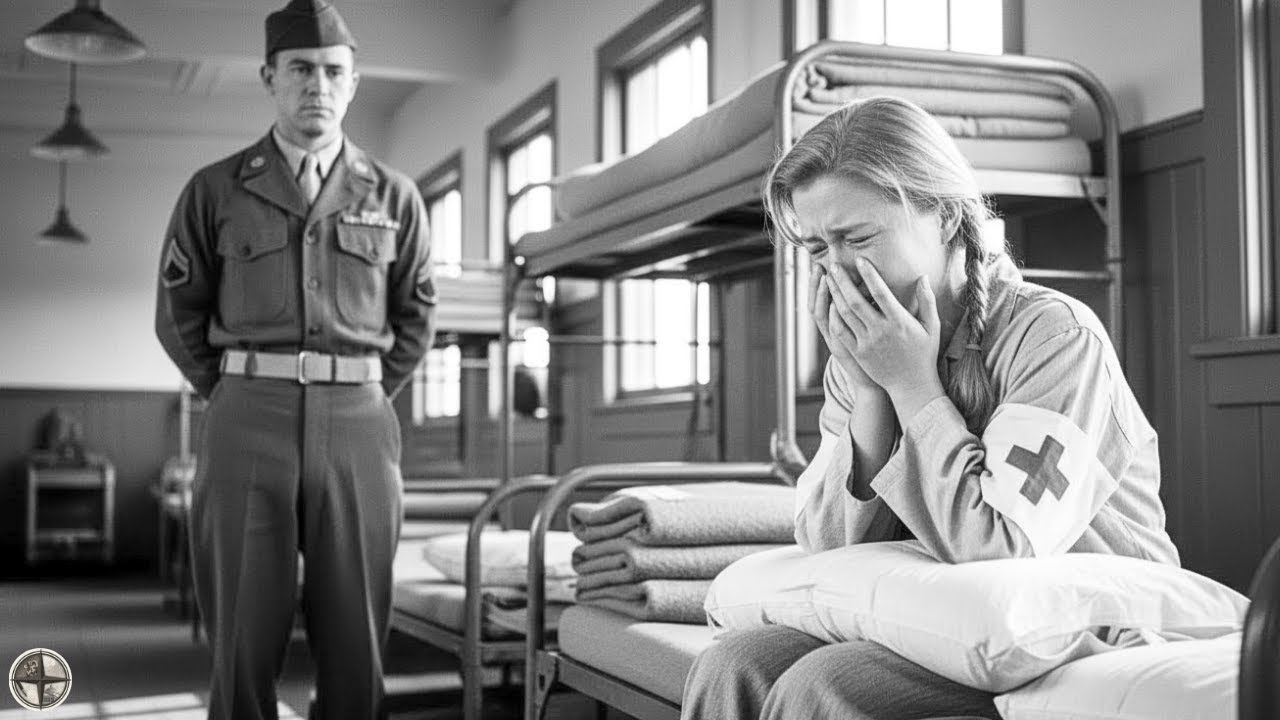
March 7, 1945. A German prisoner of war in the Scottish Highlands gave birth in a British prison hospital, convinced the nurses would steal her newborn son. Three days later, one nurse did something that would transform everything: she sat beside the terrified mother and held the baby first—not to take him away, but to prove he was safe. This is the untold story of how British medical staff treated enemy mothers during World War II's final months.
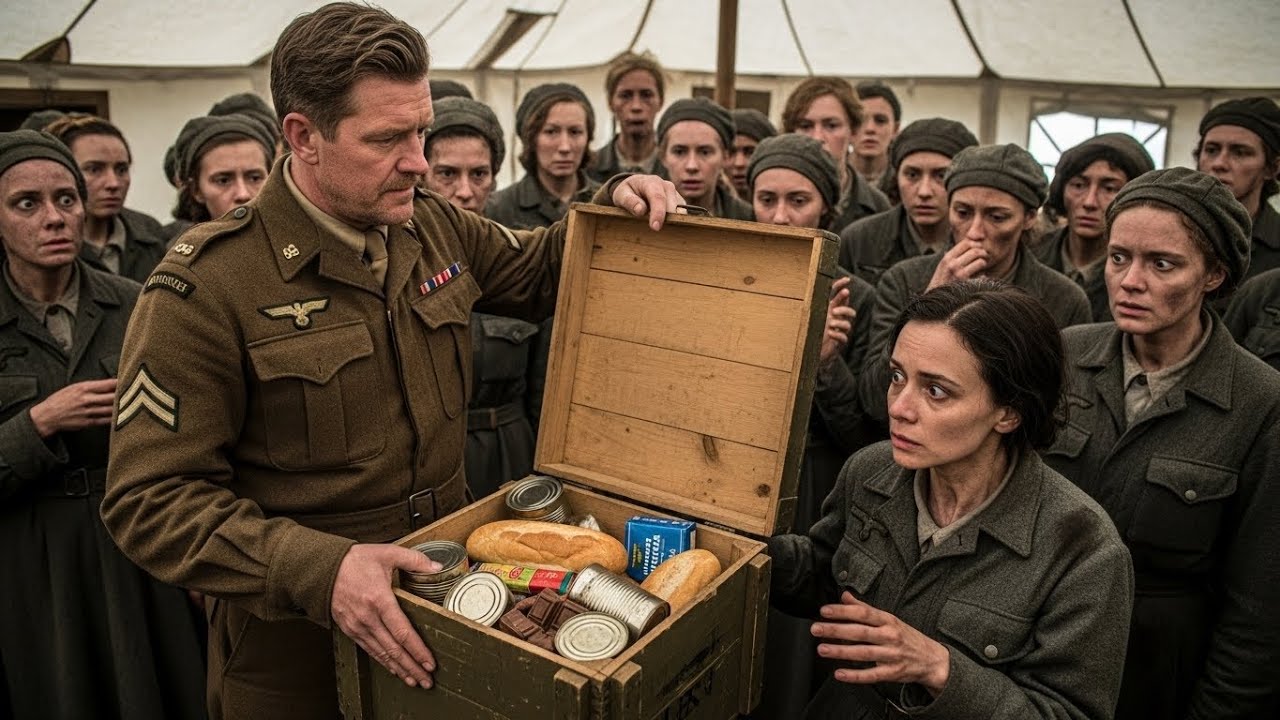
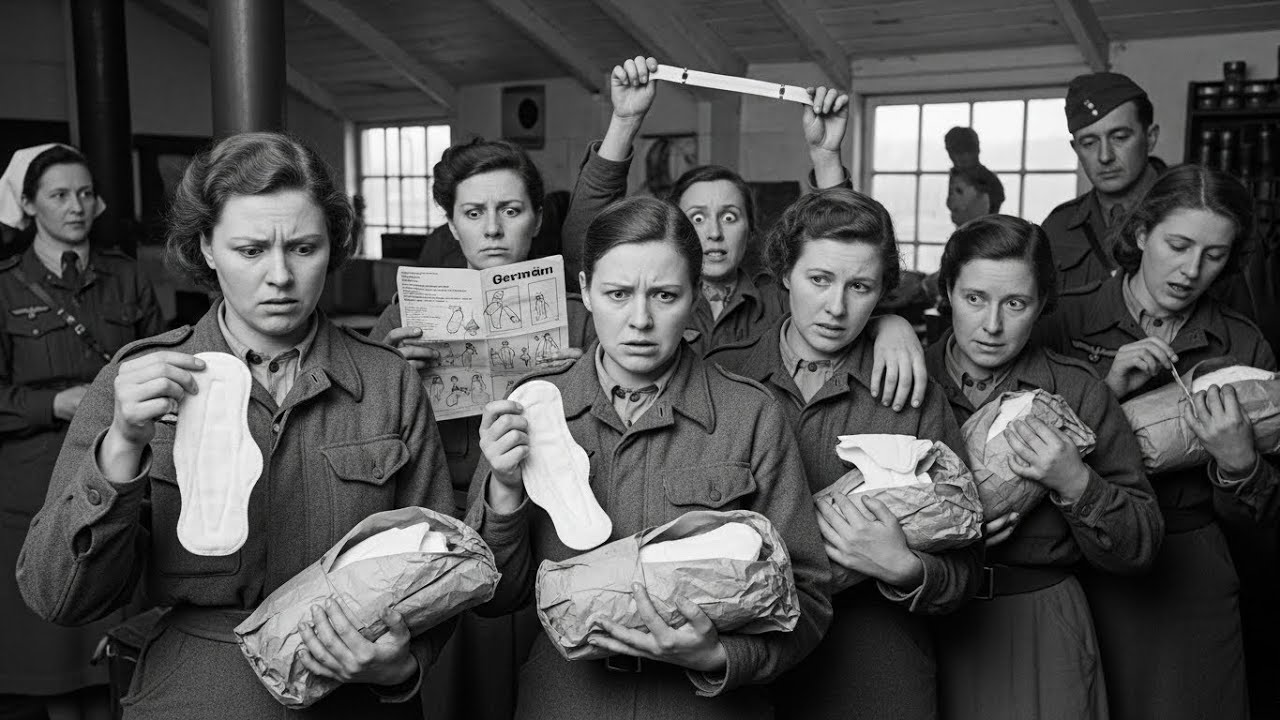
January 1945: Annaliese Weber, seven months pregnant, was captured by British forces in Norway and transported to Camp Glenmore in the Scottish Highlands. The propaganda had been explicit—the British were vindictive, they would steal German babies for childless British families. But what she experienced contradicted every expectation.
By March 1945, the reality was undeniable:
German POWs received comprehensive prenatal care and monitoring
Pregnant prisoners received supplementary rations and vitamins
Births occurred in camp hospitals under full medical supervision
Mothers remained with their infants in designated maternity wards
British nurses treated German prisoners with professional compassion
The Geneva Convention protocols were followed and often exceeded
One nurse held a newborn first to prove to a terrified mother he was safe
In that hospital room, when the nurse held Johann before giving him to his mother, Annaliese realized the propaganda had been completely wrong. Not "partially wrong." Not "sometimes wrong." Completely wrong.
This documentary reveals: ✓ The exact maternity care protocols for pregnant POWs in British camps ✓ Why a British nurse held a German baby before his mother ✓ How the Geneva Convention shaped medical treatment of prisoners ✓ The psychological impact of unexpected kindness on traumatized prisoners ✓ What happened to these families during repatriation ✓ The contrast between propaganda and documented reality ✓ How individual acts of humanity survived institutional conflict
Based on declassified British War Office medical records, Red Cross camp inspection reports, and post-war testimonies from former prisoners and medical staff.
This is the untold story of March 7, 1945—the day a German prisoner gave birth in Scotland and a British nurse demonstrated that even in war's darkest hours, some people still chose to honor the sacred bond between mother and child.
🔔 Subscribe for untold WW2 history, POW camp realities, and the moments of humanity that survived the war's darkest hours!

Доступные форматы для скачивания:
Скачать видео mp4
-
Информация по загрузке: