Itajime Shibori Workshop with Ana Lisa Hedstrom
Автор: GALLI CREATIVE
Загружено: 2015-08-09
Просмотров: 4817
Watch Now:
https://gallicreative.com/product/ita...
Learn basic and more advanced methods of “Itajime Shibori” — working with clamped resists to achieve patterns and geometry in your textile design projects.
Ana Lisa Hedstrom takes the viewer from basics through to variations, inventions, silk scouring with clamps, and a wonderful introduction to ‘Kyokechi Carved Clamps’ — a process active used for centuries in Japan and mainland China.
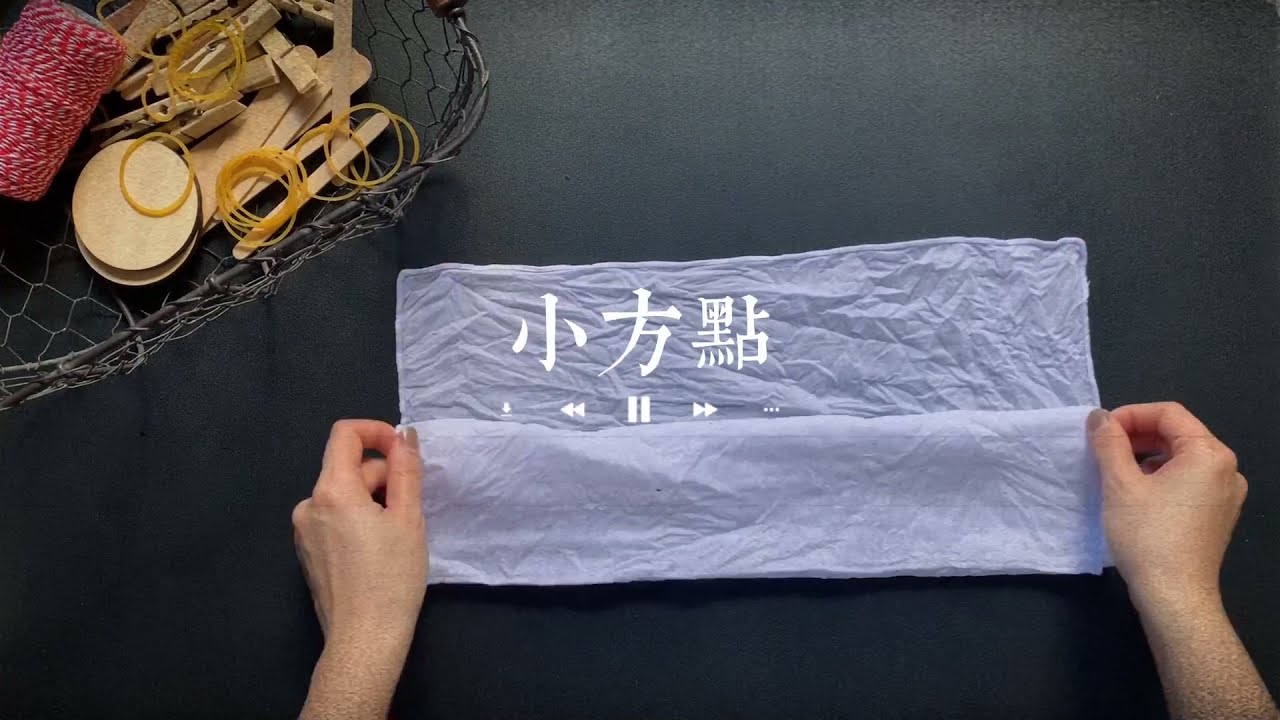
Our workshop begins with simple Itajime Square Folds and moves on to Traditional Japanese Sekka (snowflake and star pattern) which is created on 14” width cotton Kimono cloth. 4-6 layers of accordion folds are ironed into long lengths of fabric. Fabric is folded back and forth into a small bundle that will be clamped with wooden blocks cut into square, rectangular, or triangular shapes. These bundles and the blocks can be placed perpendicular or diagonally across the bundle.
Ana Lisa provides instruction on 4, 6, 8, and 12 star patterns, and shares multiple ways to modify these basic geometric designs to create more complex Itajime patterns.
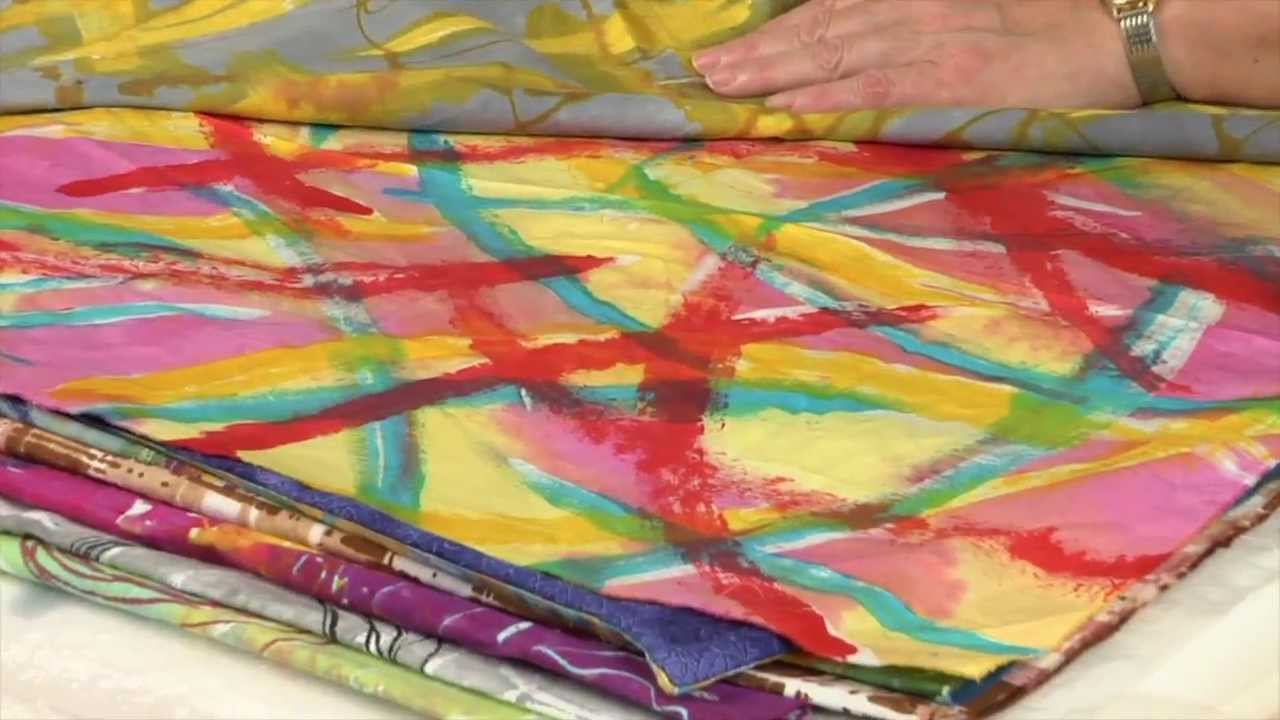
Today we love the bold contemporary patterns of Itajime….perfect for modular quilts, home decoration, wall hangings and wearable art. Small square fabrics are wonderful when used as Quilting Squares. Different weaves ( sheer or heavy) and fibers (silk, wool, cotton, linen) invite for different dye applications and treatments. Ana Lisa uses Itajime folding on silk organza before resist scouring to remove the stiff sericin on the exposed cloth. Wonderful bold areas of opaque and sheer areas are created. This can be enhanced by dyeing, and is particularly effective with the application of thickened fiber reactive dye (Proceon MX Dye). The dye will be deeper and a different hue on the areas with sericin that were resisted by the blocks.
Another exciting possibility is found in the Japanese and Chinese traditions of Kyokechi and Chinese Carved Clamps (Jiaxie). The boards are carved with matching designs, often pictorial images of flowers, figures, and birds. The dye flows into the carved maze. Ana Lisa shows traditional examples and shares contemporary alternatives, especially using CNC routers (Computer numerically controlled) to make precisely carved channels which will match on both blocks.
- - - - - - - - - -
Ana Lisa Hedstrom is known for her signature textiles based on contemporary adaptations of Japanese shibori resist dyeing.
Her work is included in the collections of major museums including the Cooper Hewitt / Smithsonian National Design Museum (Washington, DC), the Museum of Art and Design (New York City), the De Young Museum (San Francisco), and the Oakland Museum of California.
Her work had been exhibited and published internationally. She has taught and lectured at San Francisco State University and the California College of the Arts and at numerous international conferences and summer art programs.

Доступные форматы для скачивания:
Скачать видео mp4
-
Информация по загрузке: