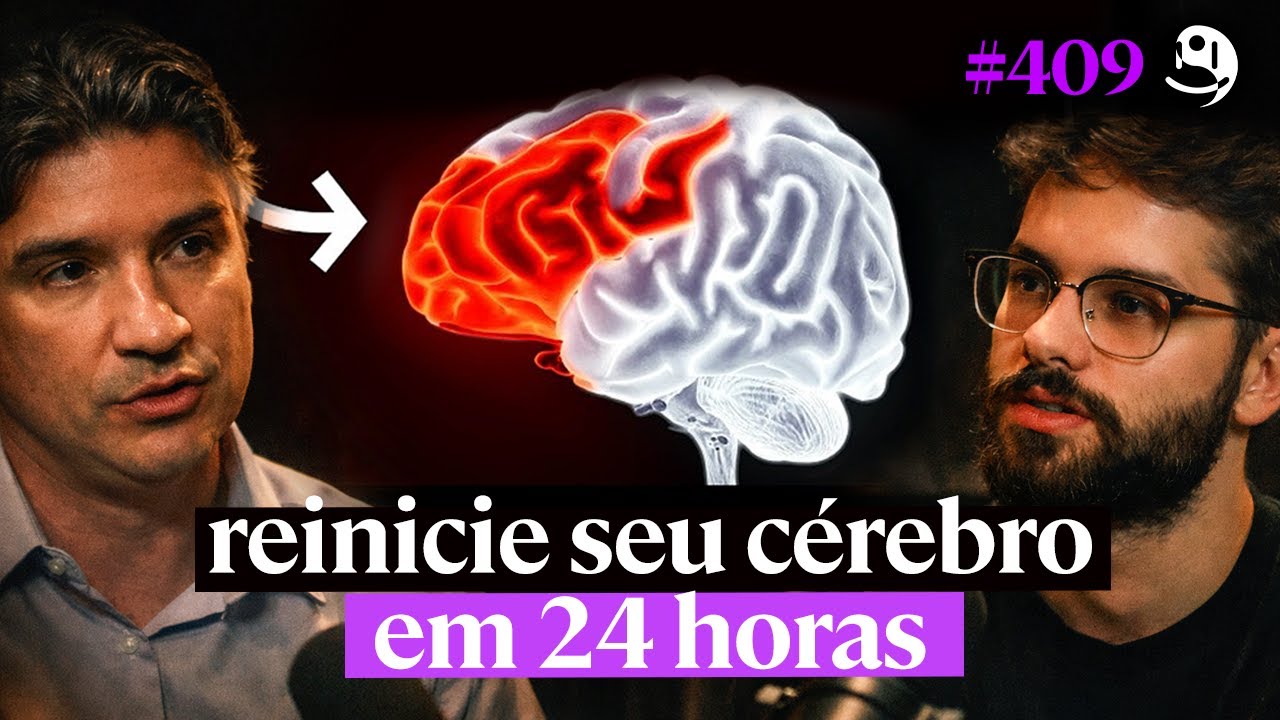
Autismo como nova pandemia? Epigenética e a vida do homem moderno.
Автор: Neuropsiquiatria-Neurologia-Psiquiatria
Загружено: 2026-01-23
Просмотров: 59
Review Eur Neurol
. 2024;87(5-6):261-272. doi: 10.1159/000541361. Epub 2024 Sep 12.
Brain Evolution in the Times of the Pandemic and Multimedia
Elisabete Castelon Konkiewitz 1, Edward B Ziff 2
Affiliations Expand
PMID: 39265548 PMCID: PMC11651333 DOI: 10.1159/000541361
Abstract
Background: In this paper, we argue that recent unprecedented social changes arising from social media and the internet represent powerful behavioral and environmental forces that are driving human evolutionary adaptive responses in a way that might reshape our brain and the way it perceives reality and interacts with it. These forces include decreases in physical activity, decreases in exposure to light, and face-to-face social interactions, as well as diminished predictability in biological rhythms (i.e., the sleep cycle is no longer dictated by natural light exposure and season).
Summary: We discuss the roles of stress and of creativity and adaptability in Homo sapiens evolution and propose mechanisms for human adaptation to the new forces including epigenetic mechanisms, gene-culture coevolution, and novel mechanisms of evolution of the nervous system.
Key messages: We present the provocative idea that evolution under the strong selective pressures of today's society could ultimately enable H. sapiens to thrive despite social, physical, circadian, and cultural deprivation and possible neurological disease, and thus withstand the loss of factors that contribute to H. sapiens survival of today. The new H. sapiens would flourish under a lifestyle in which the current form would feel undervalued and replaceable.
Keywords: Brain; Epigenetics; Evolution; Internet; Pandemic.
© 2024 The Author(s). Published by S. Karger AG, Basel.

Доступные форматы для скачивания:
Скачать видео mp4
-
Информация по загрузке: