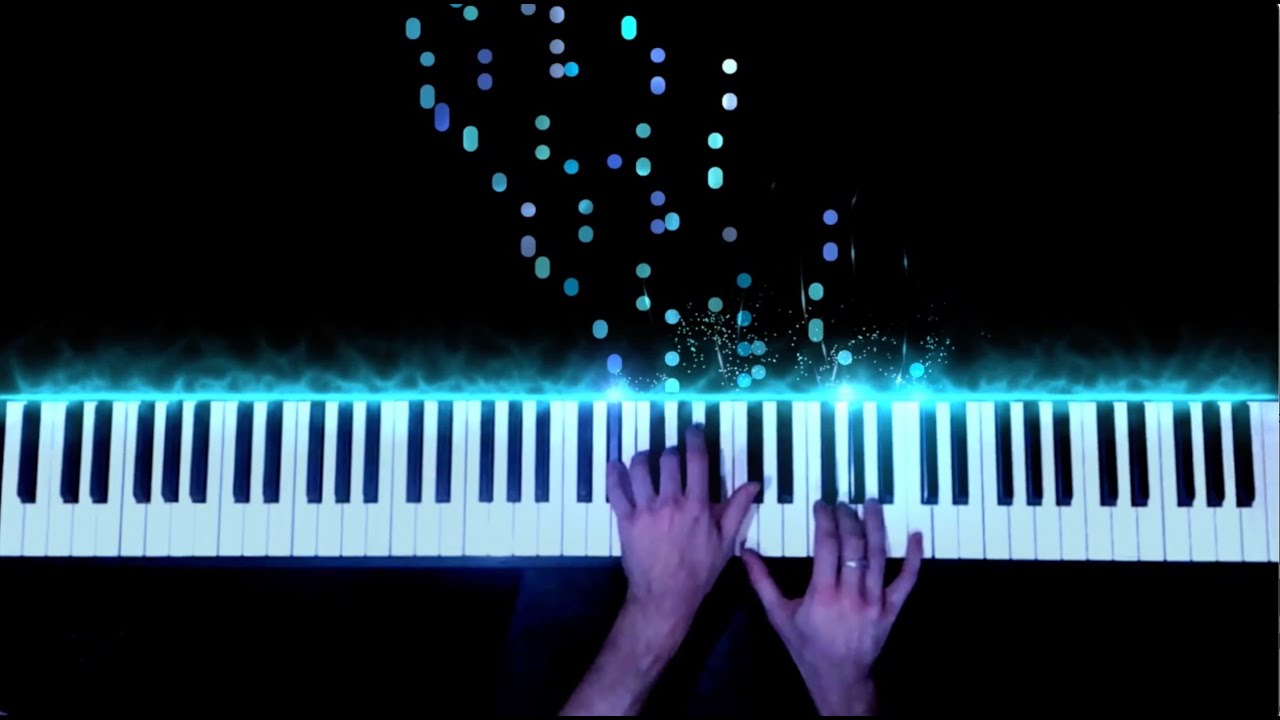
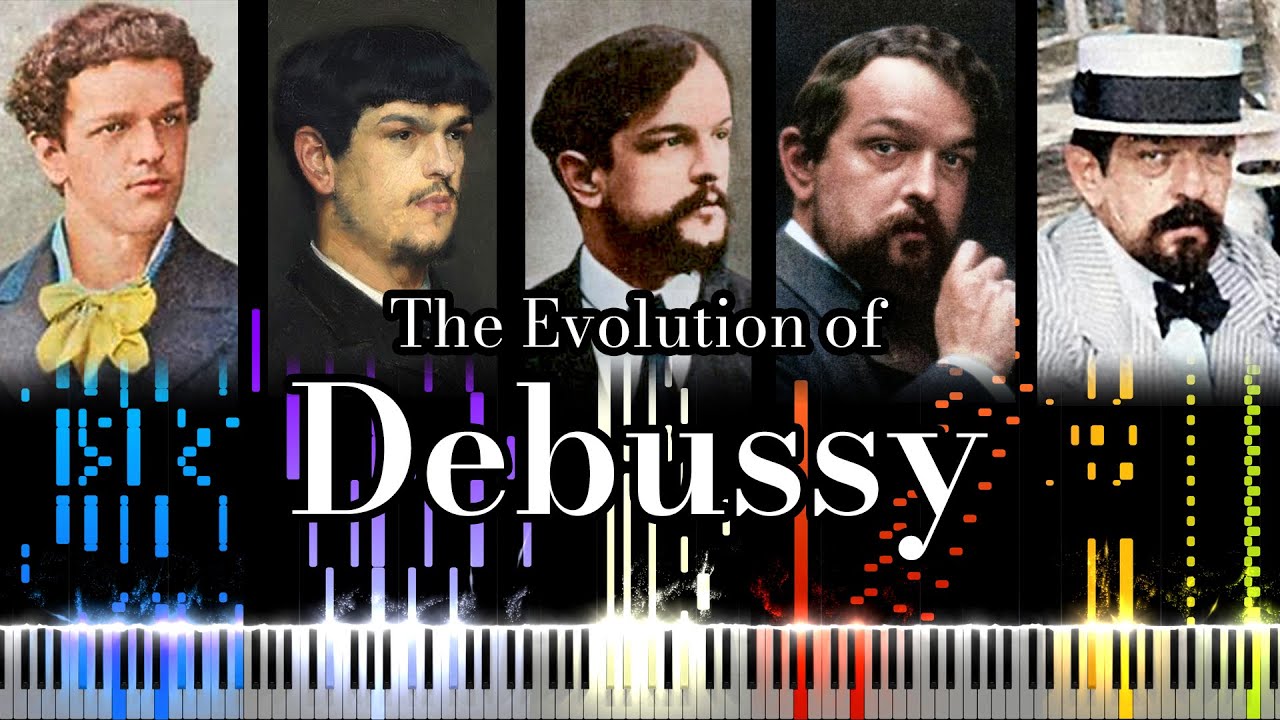
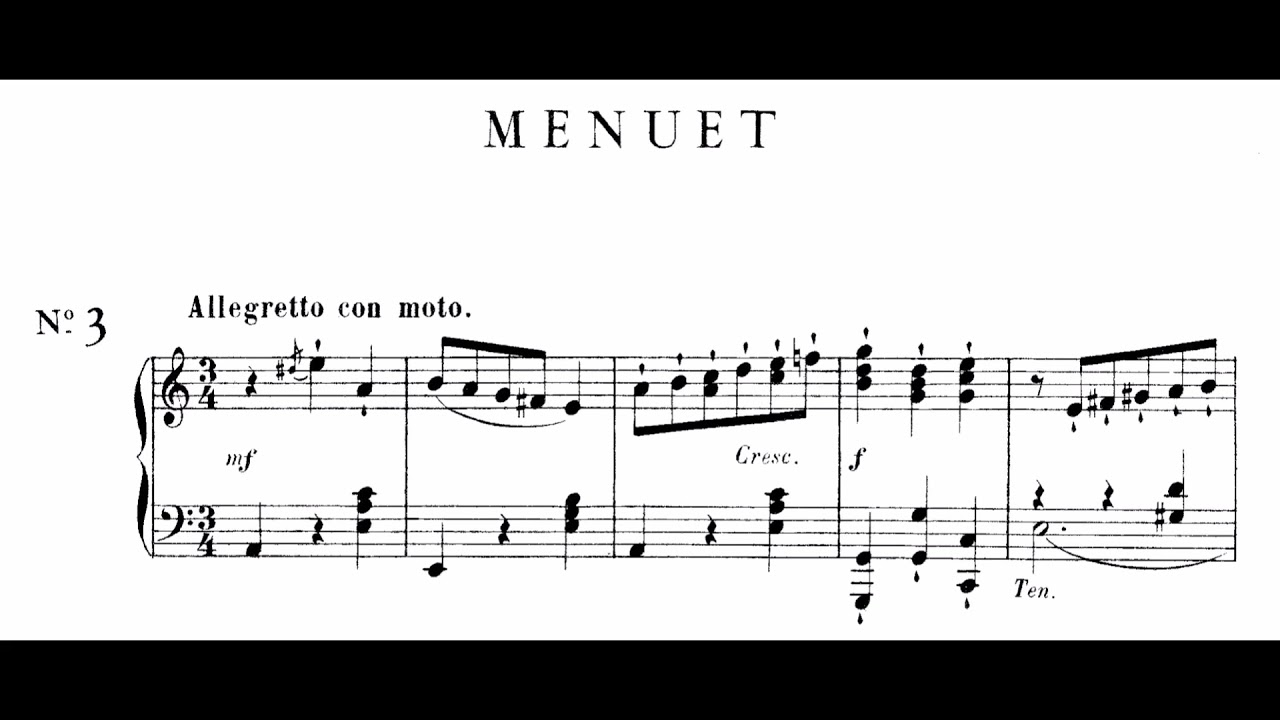
Claude Debussy - Valse Romantique | Piano Synthesia | Library of Music
Автор: Library of Music
Загружено: 2020-06-13
Просмотров: 15023
At the request of Alejandro Azepetia
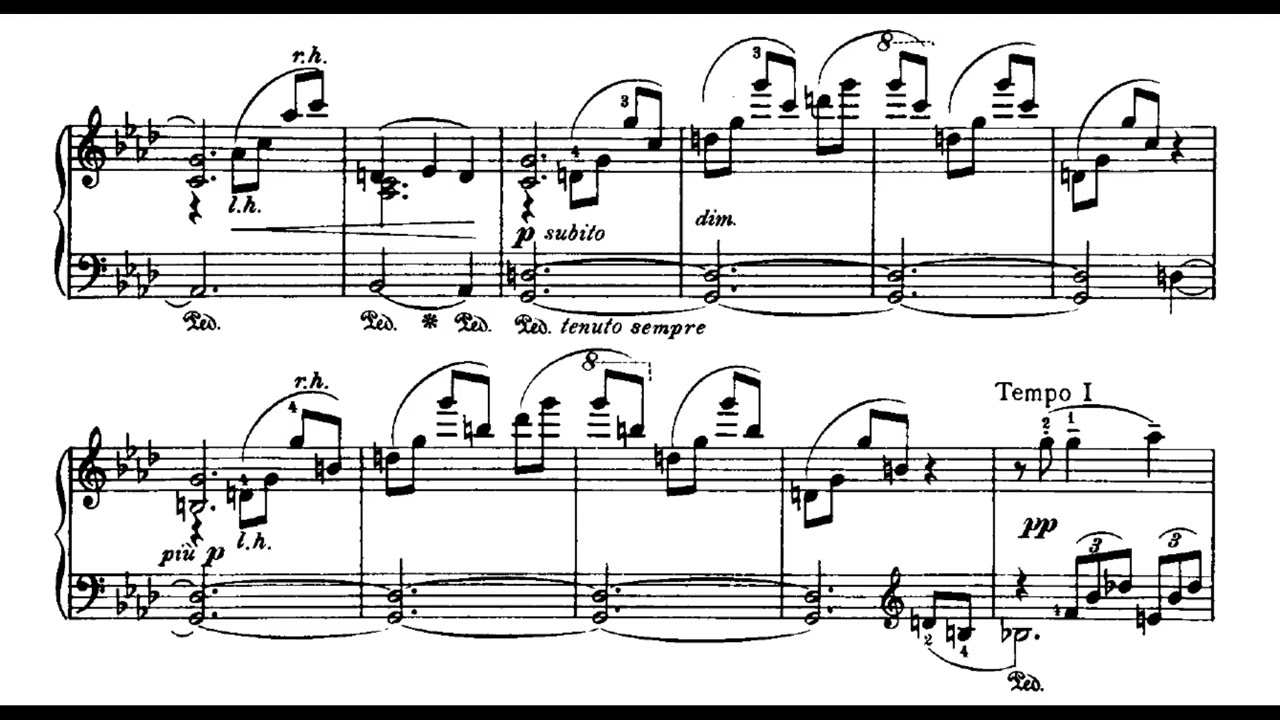
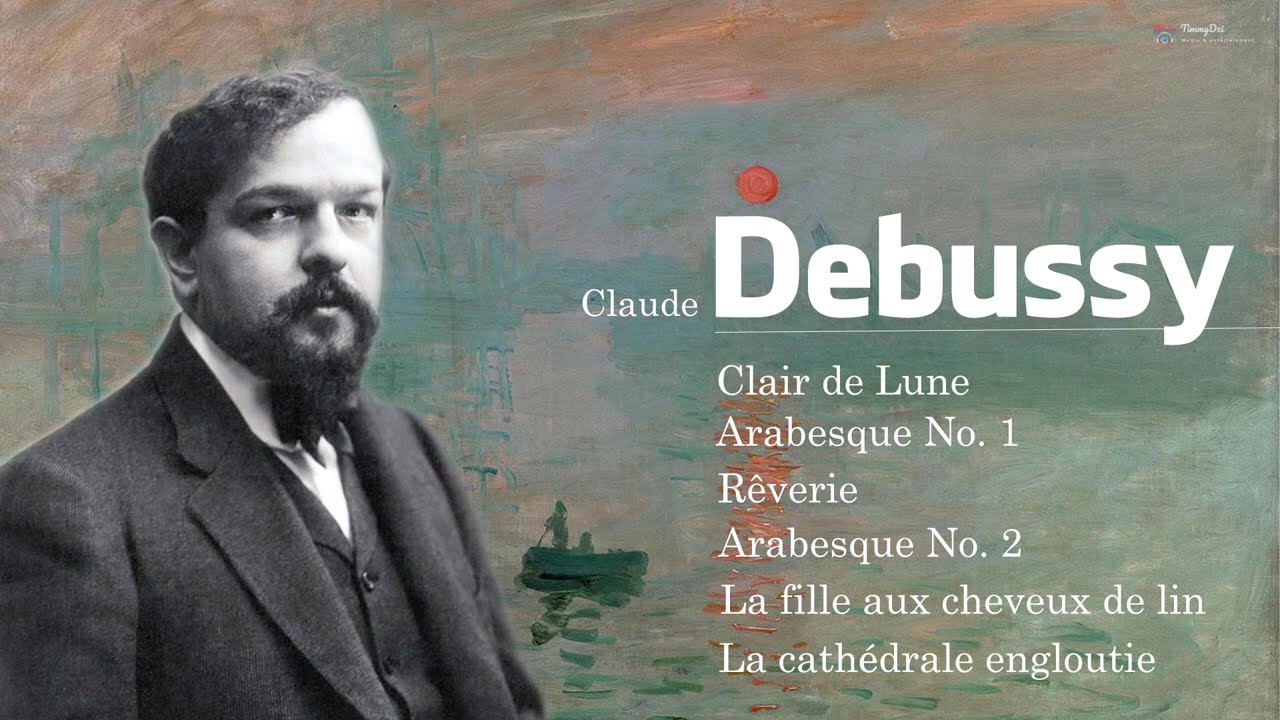
Claude Debussy - Valse Romantique
Although, in terms of piano compositions, Claude Debussy was primarily known for his mature works of 1903 - 1915, early pieces, such as Valse romantique (1890), encourage listeners to discover his lesser-known piano creations by tracing their histories. Primarily a pianist, Debussy explored formal structure in his early works for the instrument. It was only later as a mature musician, while altering and adding to the applications of piano techniques and investigating tonality that his artistic personality emerged, when he created a "sonorous halo" by blending patterns. The time which precedes that development accounts for the early formation of elements which appeared, with lesser emphasis, in some of his best-known works.
One of the immediate goals that Debussy set while studying at the Paris Conservatoire with Lavignac, Marmontel, Durand and Guiraud was to win the Prix de Rome. He achieved this accomplishment in 1883, and left Paris on January 27, 1885, to spend little more than two of the prescribed three years at the Villa Medici, Italy. It was there, that he received inspiration to compose Valse romantique. The experience exposed him to many new elements that had an impact on his later compositions. Although he had no interest in Italian opera, he found inspiration in the liturgical works of Palestrina and Orlando di Lasso, heard in the little church of Santa Maria dell' Anima. In Rome, he read Verlaine, Baudelaire and Rossetti, and met Liszt, Verdi, and Boito. The requirements of the Prix included composing an "Envois," which Debussy was obligated to send back to Paris. For this, he wrote Printemps (1887), prompted by Botticelli's painting, and La Damoiselle élue (1887 - 1888), after Rossetti's Blessed Damozel. Since the composition date of Valse romantique is somewhat unclear, it is possible that Debussy not only received his inspiration while in Italy, but also composed it there, around this time. The work, by its virtuoso vigor as well as its title, is a homage to Chabrier's two-piano Valses romantiques, which was published in 1883. Debussy adored and performed them at the Villa Medici, with his fellow student Paul Vidal for Franz Liszt. The textures and contrary motions between voices, found in this composition, appeared in Debussy's later works, such as his Préludes and Etudes.
Valse romantique appeared in the early 1890s when Debussy sold a group of his piano compositions to the publisher Choudens. These works might have received more attention if it weren't for the composer's wish to repress them, refusing to dwell in his own musical past. Regardless of his wishes, Valse romantique went to publication and has been frequently recorded alongside his other early piano pieces, which include Danse bohémienne, Ballade, Rêverie, Nocturne, Danse and Mazurka. Although Debussy composed somewhere between 70 and 80 "mature" pieces in the early 1900s, his early works, such as Valse romantique, are still of interest to many listeners for their adherence to and exploration of traditional forms, among other things.
Description by Meredith Gailey
Library of Music grades piano music based on difficulty, in order to provide guidance for amateur pianists who want to climb the ladder and progress in an organised way.
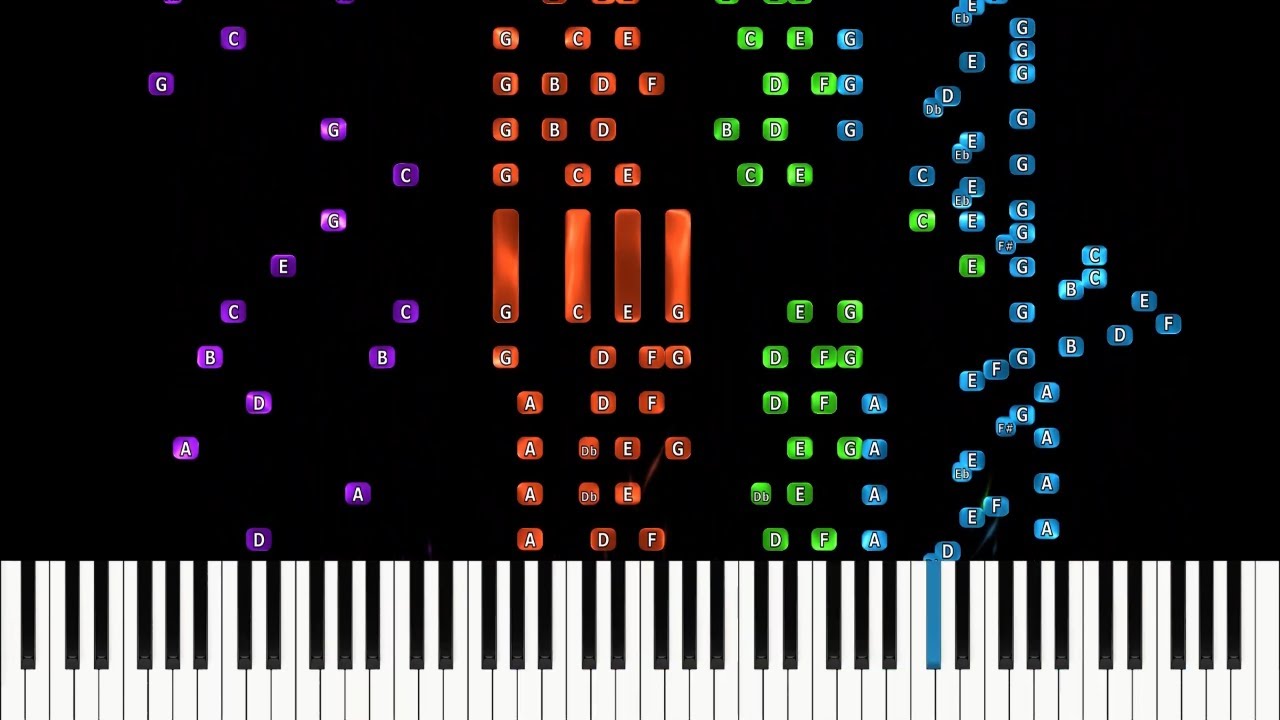
Library of Music creates synthesia videos at request. If you want to see any particular piece in a synthesia video, ask for it in the comments section below.
The grading system is as follows:
Beginner/Easy pieces: grades 1; 1.5; 2; 2.5; 3; 3.5
Intermediate pieces: grades 4; 4.5; 5; 5.5; 6; 6.5
Advanced/Difficult pieces: grades 7; 7.5; 8; 8.5; 9; 9.5; 10

Доступные форматы для скачивания:
Скачать видео mp4
-
Информация по загрузке: