Native carnivorous plants
Автор: Gardening Australia
Загружено: 2019-07-16
Просмотров: 9666
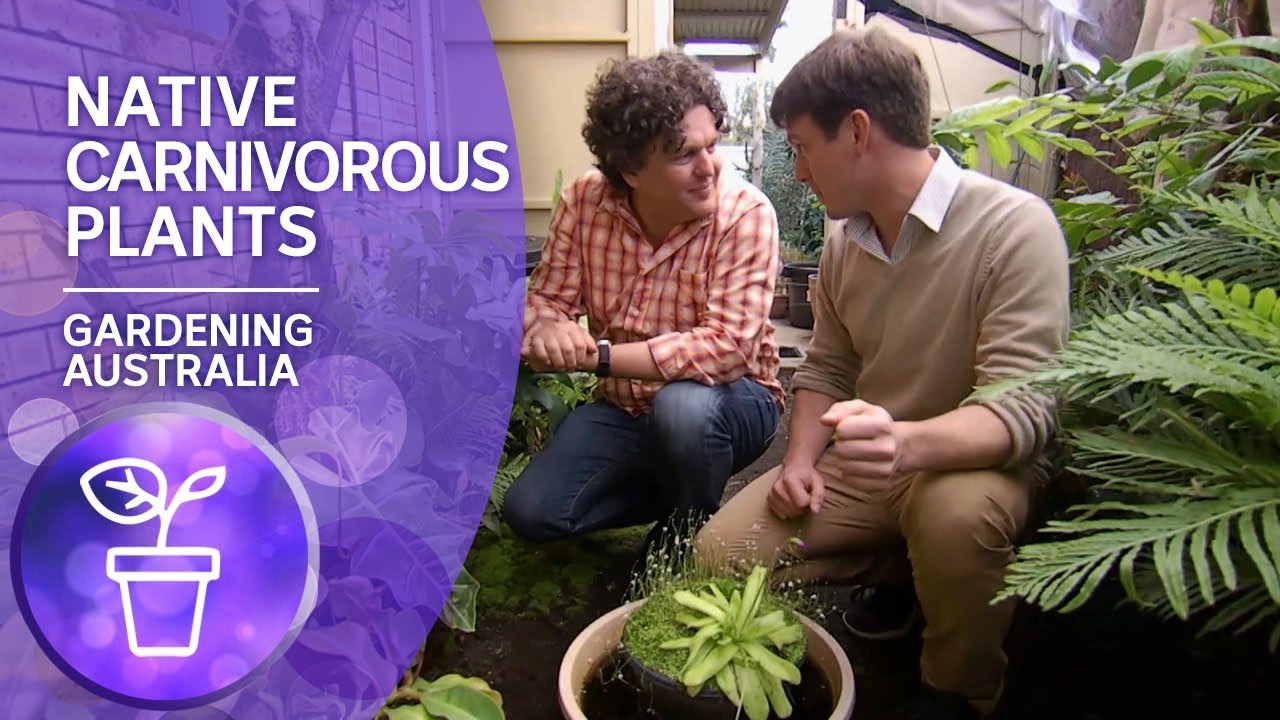
Josh visits the home garden of restoration ecologist Dr Adam Cross to look at his fantastic native garden, and amazing collection of carnivorous plants. In his backyard, Dr Cross has planted in excess of 200 native plant species, the majority of which are indigenous to the area in which he lives. While Adam adores his natives, it is carnivorous plants that are his true passion, particularly those that are native to the south west area of Western Australia.
Carnivorous plants are found all around the world, occurring in every region except the Arctic, with over 700 species having already been named and described. The south western area of Western Australia is home to over a quarter of this number, boasting almost 200 species of carnivorous plants, representing an incredible diversity. And what are these numbers so high in Western Australia? It’s all about the soils and the age of Western Australia – carnivorous plants capture insects to access their nutrients and gain a competitive edge over other plants, and this strategy has been highly successful on the ancient, nutrient poor soils.
Carnivorous plants use differing techniques to capture their prey. The Scented Sundew (Drosera whittakeri) uses an adhesive trap – sticky leaves held close to the ground, trapping insects that happen to walk by. Using enzymes produced by the plant, the prey is broken down and dissolved, and the nutrients absorbed.
The Albany Pitcher Plant (Cephalotus follicularis) is extremely unique, and uses a pitcher-type leaf arrangement to hold a small amount of moisture in the base. The small teeth around the rim of the pitcher secrete a nectar which attracts prey, who upon attending find that the walls of the trap are extremely slippery and fall to the base, where they are digested by the plant.
Another trapping mechanism is demonstrated by the Leafy Sundew (Drosera stolonifera), a species endemic to the Perth region. This upright plant has an extremely sticky mucus on the leaves, easily trapping careless insects flying past.
Wild populations of carnivorous plants are unfortunately declining around the world, due to grazing, land clearing, fire and poaching. Adams recommends that people developing an interest in these amazing plants should go out and see them in the wild, in their habitat, doing what they do.
Watch Gardening Australia on ABC iview: http://iview.abc.net.au/programs/gard...
SUBSCRIBE: http://ab.co/GardeningYouTube
About Gardening Australia:
Gardening Australia is an ABC TV program providing gardening know-how and inspiration. Presented by Australia's leading horticultural experts, Gardening Australia is a valuable resource to all gardeners through the television program, the magazine, books, DVDs and extensive online content.
Connect with other Gardening Australia fans:
Like Gardening Australia on Facebook: / gardeningaustralia
Follow Gardening Australia on Instagram: / gardeningaustralia
Visit the Gardening Australia website: http://www.abc.net.au/gardening
This is an official Australian Broadcasting Corporation YouTube channel.
********
Contributions may be removed if they violate ABC's Online Conditions of Use http://www.abc.net.au/conditions.htm (Section 3).
Доступные форматы для скачивания:
Скачать видео mp4
-
Информация по загрузке: