🤖AGVs vs AMRs | Future of Industrial Automation !
Автор: Mr. SMART Engineering
Загружено: 2025-06-01
Просмотров: 900
Have you ever walked through a factory or warehouse and noticed a robot silently gliding across the floor, carrying heavy loads like it owns the place—without any human operator or remote control?
It stops at intersections, avoids people and obstacles, and somehow always knows exactly where to go. That’s not magic. That’s cutting-edge automation at work—and today, we’re diving into the fascinating world of AGVs and AMRs.
These two robotic marvels are revolutionizing how goods are moved inside factories, warehouses, and even hospitals. But what’s the difference between them? How do they work? And what makes one smarter than the other?
🎉 Let’s explore all of this in today’s video!
Welcome back to Mr. Smart!
Serving knowledge to make you smarter every day!
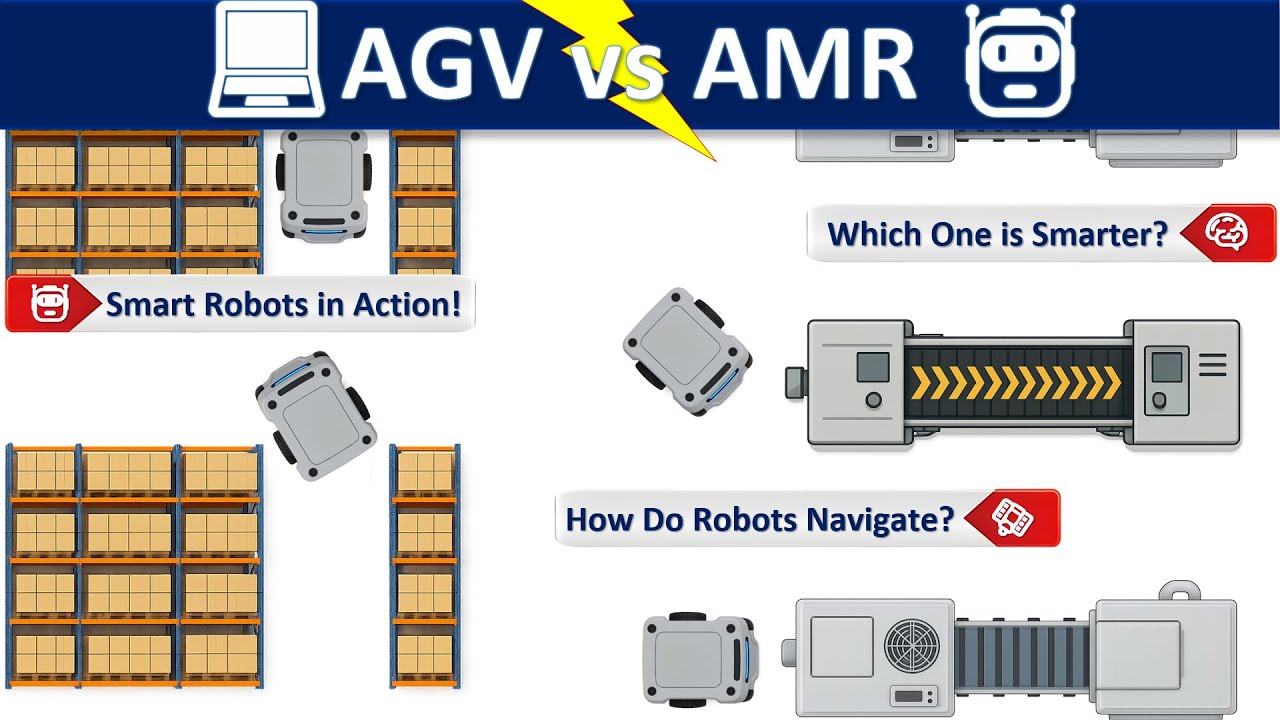
🚀 Section 1: The Basics – AGV vs AMR
Let’s start by imagining a typical warehouse floor…
Traditional logistics used forklifts, trolleys, and human labour.
But now? Smart robots do the heavy lifting—tirelessly, precisely, and safely!
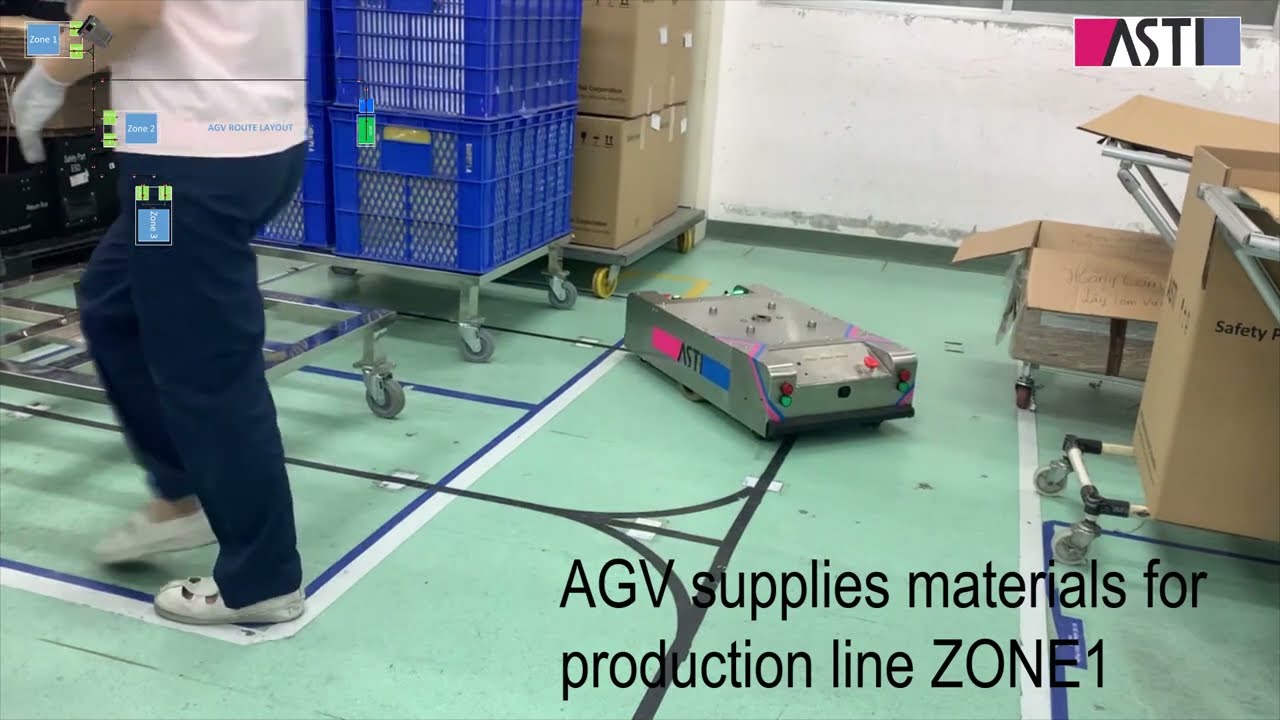
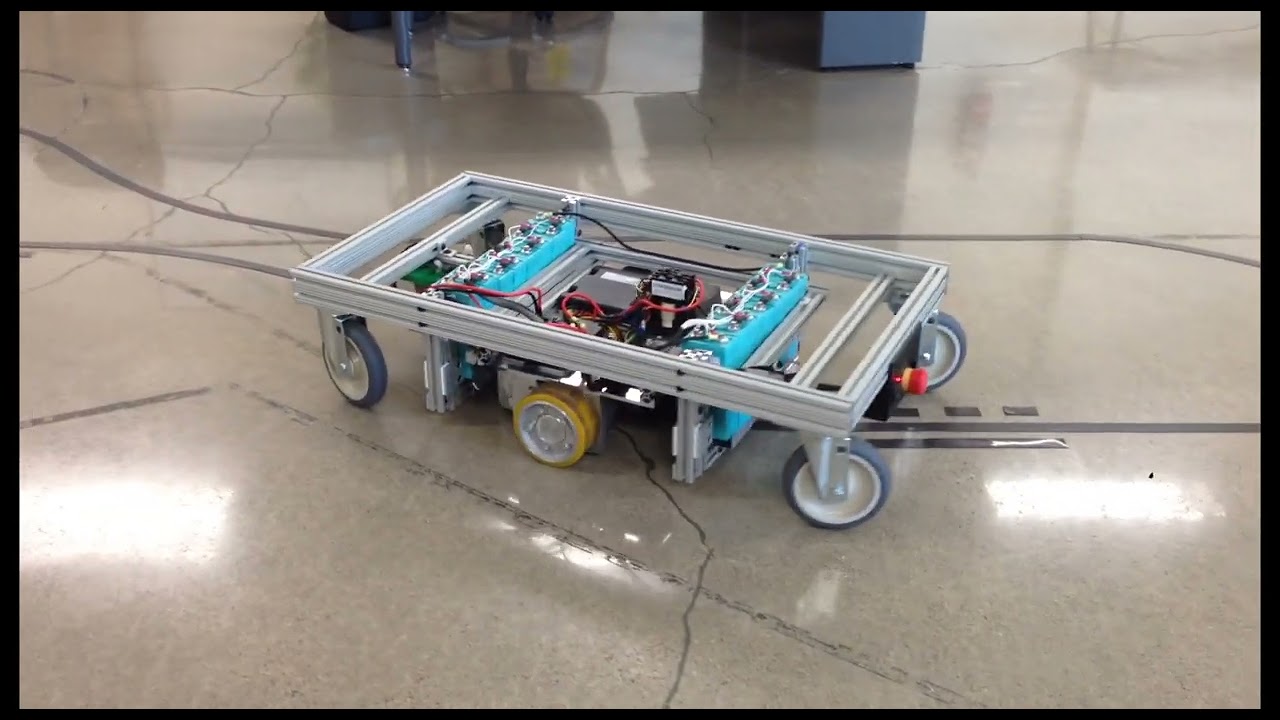
💡 AGV = Automated Guided Vehicle
👉 Think of it as a robot on invisible rails.
🔹 Follows magnetic strips, QR codes, floor wires, or optical paths.
🔹 Needs predefined routes to operate.
🔹 Great for repetitive tasks but struggles with obstacles or layout changes.
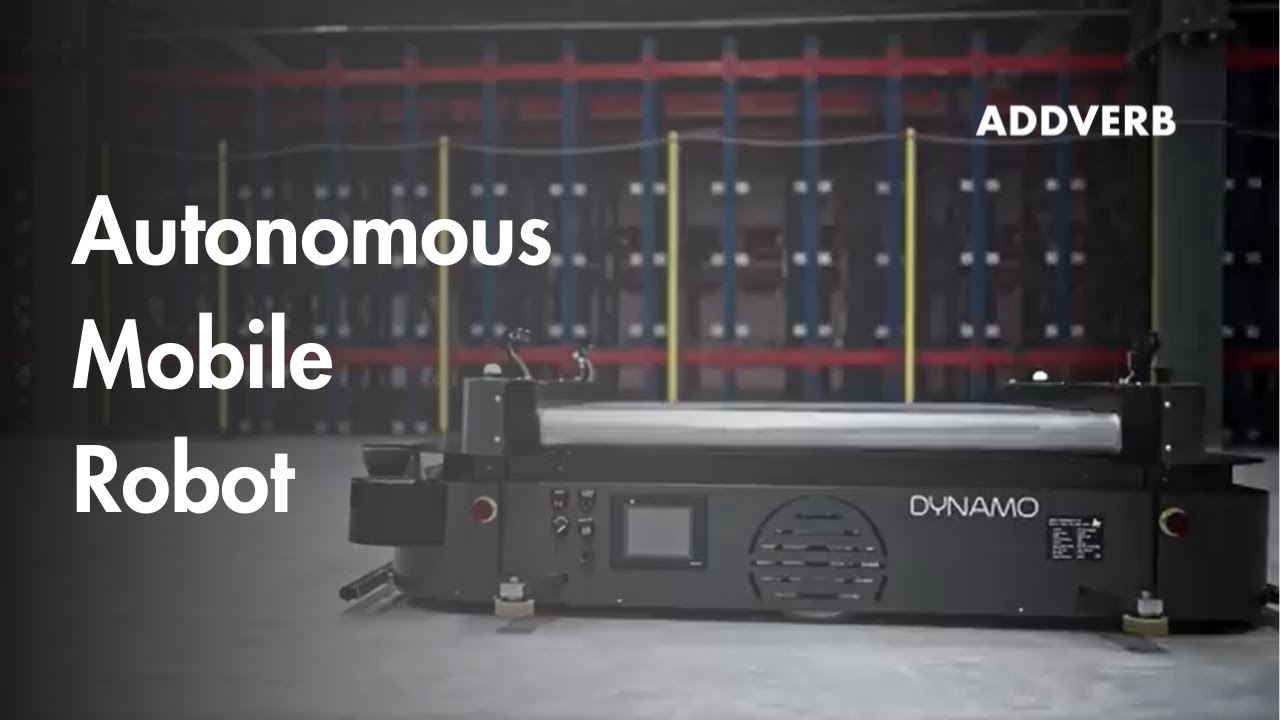
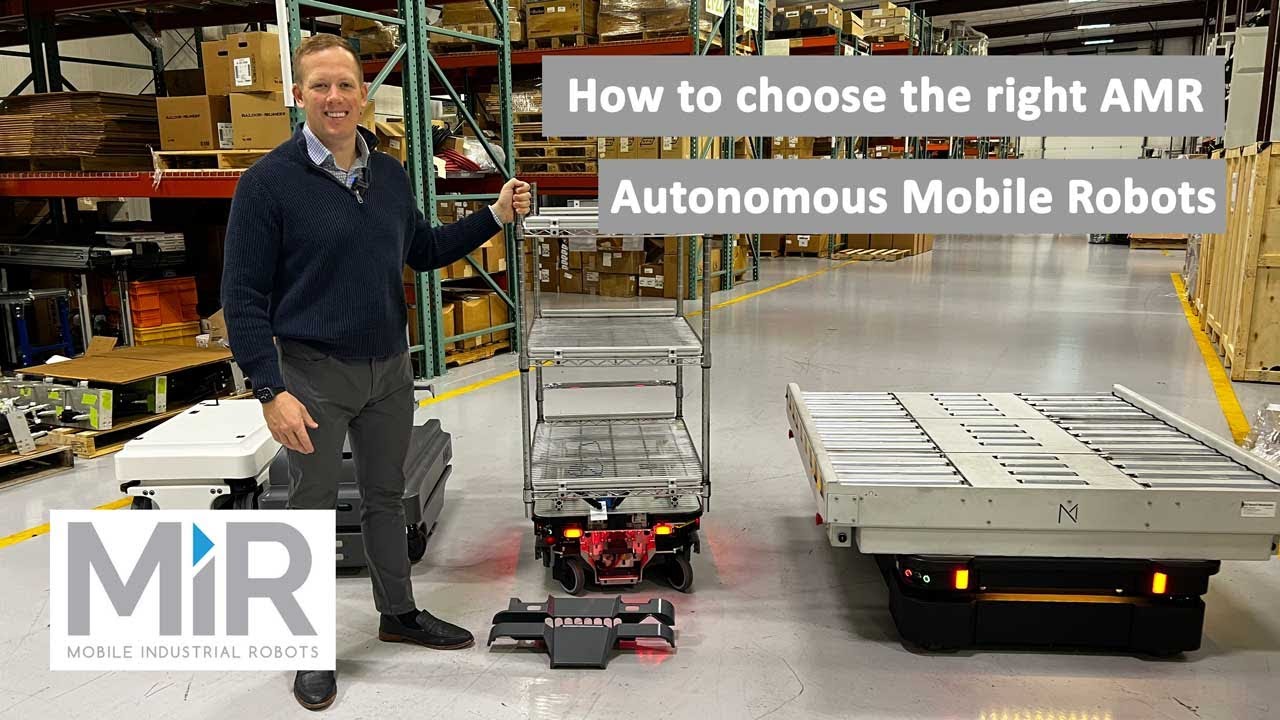
💡 AMR = Autonomous Mobile Robot
👉 These are intelligent, adaptive, and map-driven machines.
🔹 Uses sensors, LiDAR, cameras, and SLAM to navigate.
🔹 Avoids obstacles in real-time.
🔹 Flexible, dynamic, and ideal for changing environments.
🔍 Section 2: Inside the Robot – Components Breakdown
Whether it’s an AGV or AMR, both begin with:
Chassis – The frame with wheels, motors, and batteries.
Differential Drive – Two powered wheels allow sharp turns and rotations.
PID Controllers – Maintain accurate speed and direction.
But guidance is where things really differ…
🚦 AGV Guidance System:
Magnetic Sensors or QR code scanners
Simple, cost-effective, but rigid.
🧠 AMR Navigation (SLAM):
LiDAR – Laser scanning to build live 2D/3D maps.
Cameras – Visual input for object recognition.
IMUs – Detect tilt and movement.
Wheel Encoders – Measure how far the robot has travelled.
ROS (Robot Operating System) – Brain behind decision-making.
📡 Communication Systems:
Wi-Fi, Bluetooth, or Industrial Protocols like OPC UA to stay connected with the control system or central server.
🛑 Safety Features:
AGVs: Simple bumper or laser scanners.
AMRs: Advanced 360° LiDAR, 3D vision, human detection, emergency stop.
🔄 Section 3: Future Trends
🔄 The lines between AGVs and AMRs are blurring:
AGVs are getting smarter with onboard navigation aids.
AMRs are becoming cheaper and more widespread.
💡 The future? Hybrid Robots – Combining structure with intelligence.
🧠 Final Thoughts
Next time you see a robot gliding in a warehouse, know this:
It’s not just moving—it’s thinking, sensing, and navigating a human world with machine precision.
🤖 AGVs and AMRs are part of the smart factory revolution—where humans handle strategy and creativity, and robots handle the heavy work.
🙏 Outro
✅ If this video gave you a new perspective on industrial robots, hit that Like button!
✅ Don’t forget to Subscribe for more in-depth automation and robotics videos.
💬 Drop a comment: Should we build a DIY robot that follows you around?
📌 See you in the next one, Mr. Smart family!
🔍 Keywords:
AGV
AMR
Automated Guided Vehicle
Autonomous Mobile Robot
Factory Automation
Warehouse Robots
SLAM Technology
LiDAR in Robotics
AGV vs AMR
Smart Robots
Industrial IoT
Robotics in Manufacturing
Robot Navigation System
ROS Robot Operating System
Material Handling Automation
🔖 Tags:
#AGV #AMR #SmartRobots #IndustrialAutomation #Robotics #WarehouseAutomation
#RobotTechnology #AutomationEngineer #FactoryRobots #SLAM #LiDAR
#AGVvsAMR #SmartFactory #AutonomousRobot #RobotDesign #EngineeringExplained
#ROS #WarehouseLogistics #RobotNavigation #AutomationTechnology #MrSmart
Доступные форматы для скачивания:
Скачать видео mp4
-
Информация по загрузке: