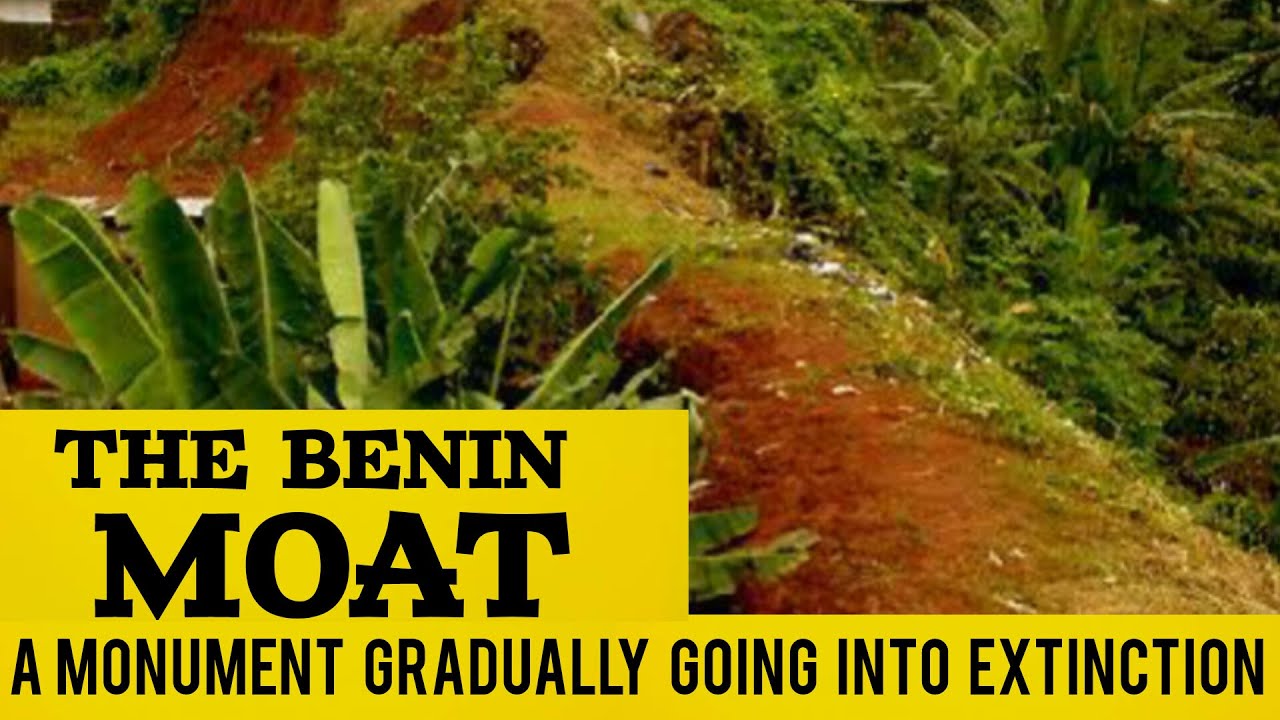
The Benin Moat, A Monument Gradually Going Into Ext-inc-tion
Автор: Voice Of Benin Tv
Загружено: 2026-01-19
Просмотров: 1143
The Benin Moat, A Monument Gradually Going Into Extinction
The Benin Moat: Africa’s Greatest Ancient Earthwork
The Benin Moat, also known as the Iya, stands as one of the most remarkable feats of engineering in African history. Located in present-day Benin City, Edo State, Nigeria, this vast system of earthworks was constructed by the ancient Kingdom of Benin as a defensive barrier and symbol of political organization, power, and cultural sophistication. Long before modern machinery, the people of Benin built what is now recognized as one of the largest man-made earthworks in the world.
Origins and Purpose
The construction of the Benin Moat began around the 13th century during the reign of early Benin monarchs (Obas). Rather than a single ditch, the moat was a complex network of walls and trenches surrounding Benin City and extending to nearby settlements. Its primary purpose was defense—protecting the capital from invasion—but it also served administrative and spiritual functions, clearly defining territorial boundaries and reinforcing the authority of the Oba.
Engineering Marvel
What makes the Benin Moat extraordinary is its scale and precision. The system reportedly stretched for thousands of kilometers in total length when all its segments are considered, with deep trenches and high embankments formed from the excavated earth. Built entirely by manual labor using simple tools, the moat demonstrates advanced knowledge of soil management, urban planning, and coordinated communal effort. European explorers who encountered Benin in the 15th and 16th centuries described the walls with amazement, comparing them to the great fortifications of Europe.
Cultural and Political Significance
Beyond defense, the Benin Moat was a symbol of unity and identity. Its construction required the mobilization of entire communities, reflecting a highly organized society with strong leadership. The moat also had spiritual importance; in Benin belief systems, boundaries were not merely physical but sacred, offering protection against both human and supernatural threats.
Decline and Modern Challenges
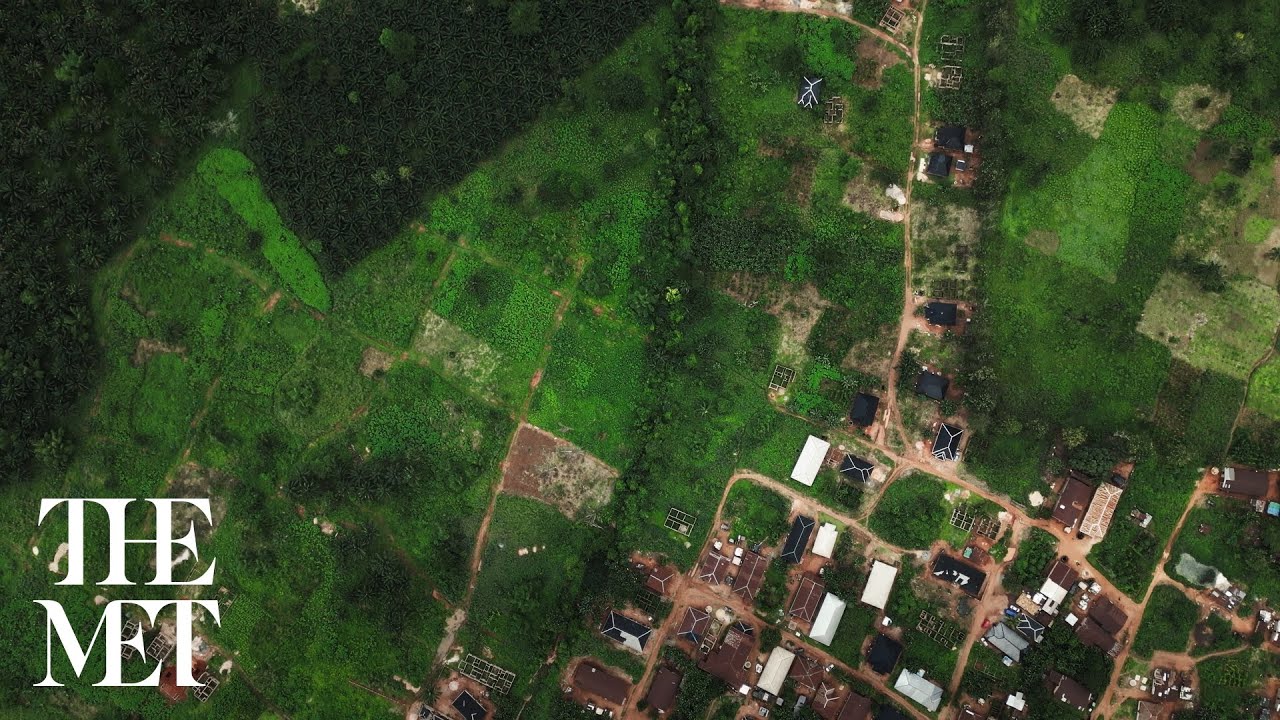
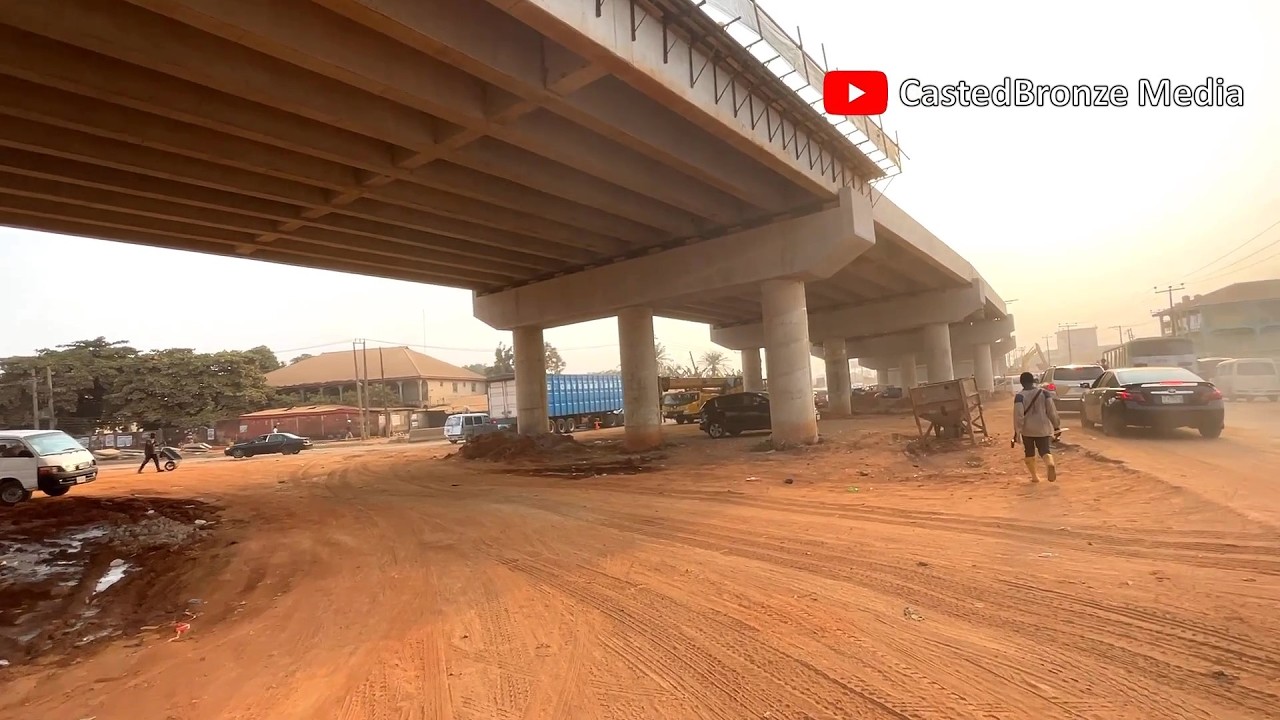
Over time, parts of the Benin Moat were damaged or destroyed due to urban expansion, road construction, erosion, and neglect. The British punitive expedition of 1897 and subsequent colonial developments further contributed to its deterioration. Today, only fragments of the original earthworks remain visible in and around Benin City.
Preservation and Global Recognition
In recent years, historians, archaeologists, and cultural advocates have renewed calls for the preservation of the Benin Moat. There are ongoing efforts to document, protect, and potentially secure UNESCO World Heritage status for the site. Such recognition would not only safeguard the remaining structures but also highlight Africa’s rich history of innovation and statecraft.
Conclusion
The Benin Moat is more than an ancient ditch; it is a testament to African ingenuity, resilience, and civilization. As one of the world’s greatest ancient earthworks, it challenges outdated narratives about pre-colonial Africa and stands as a powerful reminder of the advanced societies that flourished long before modern times. Preserving the Benin Moat is not just a Nigerian responsibility—it is a global duty to protect a priceless chapter of human history.
Доступные форматы для скачивания:
Скачать видео mp4
-
Информация по загрузке:











![Paternity: ‘Anu Not Davido’s Daughter’, Dr. Adeleke Shows DNA Results [FULL VIDEO]](https://imager.clipsaver.ru/-5dl6UypEyQ/max.jpg)