NHC Education Programs
Humanities in Class On-Demand Webinars focus on teaching with primary sources — historical documents, literary texts, visual images, and audio material. Emphasizing critical analysis and close reading, they address the skills of the Common Core State Standards while allowing teachers to deepen their content knowledge.
https://nationalhumanitiescenter.org/support/support-education-programs/

Agriculture as Folklife: Reclaiming Land, Seed, and Cultural Futures

On the Swamp: Fighting for Indigenous Environmental Justice

Feminist Methodologies and the Teaching of the Global Middle Ages

Founding Partisans

The Victorian History of New Media

Mexican Americans and Collective Memories of the US-Mexico War
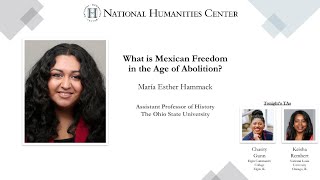
What is Mexican Freedom in the Age of Abolition?

Kansas City, An American Crossroads

Eight Strategies for Creating Inclusive Classrooms

Bushido or Bust: Student Perceptions of Samurai and What to do with Them

Country Soul: Music and Race in the American South

Playful Genres: Leveraging Games as Opportunities for Inquiry

Bob Dylan Center: Living Artists and Legacy Archives

(Re)Thinking and (Re)Centering the Celebration of American Women’s History

Who Has the Body? Mapping and Preserving the History of African American Cemeteries

Promoting Equitable Teaching During the AI Literacy Crisis

To Pimp A Butterfly: Hip-Hop, American Politics, and Cultural Impact

Networking Putinism: The Rhetoric of Power in the Digital Age

The Health Humanities: From the Clinic to the Classroom

Poems and Other Word Machines

The Earliest Supreme Court

History’s Surprising Stories—What Southern Apples Tell Us About the South

Teaching Asian American History: Going Beyond Representation

Slow Time: Media, Poetry, and the Pace of Literature

The Power and Science of (Un)Learning

Creating Culturally Responsive Classrooms and Equity-Mindsets

Education and Student Formation: Ethics and the Profession of Teaching

Interrogating Sources, Past and Present: Teaching Literacy and Democracy

The Enduring Impact of the American Dust Bowl

Armenian Genocide, Armenian Identity, and Life in the United States