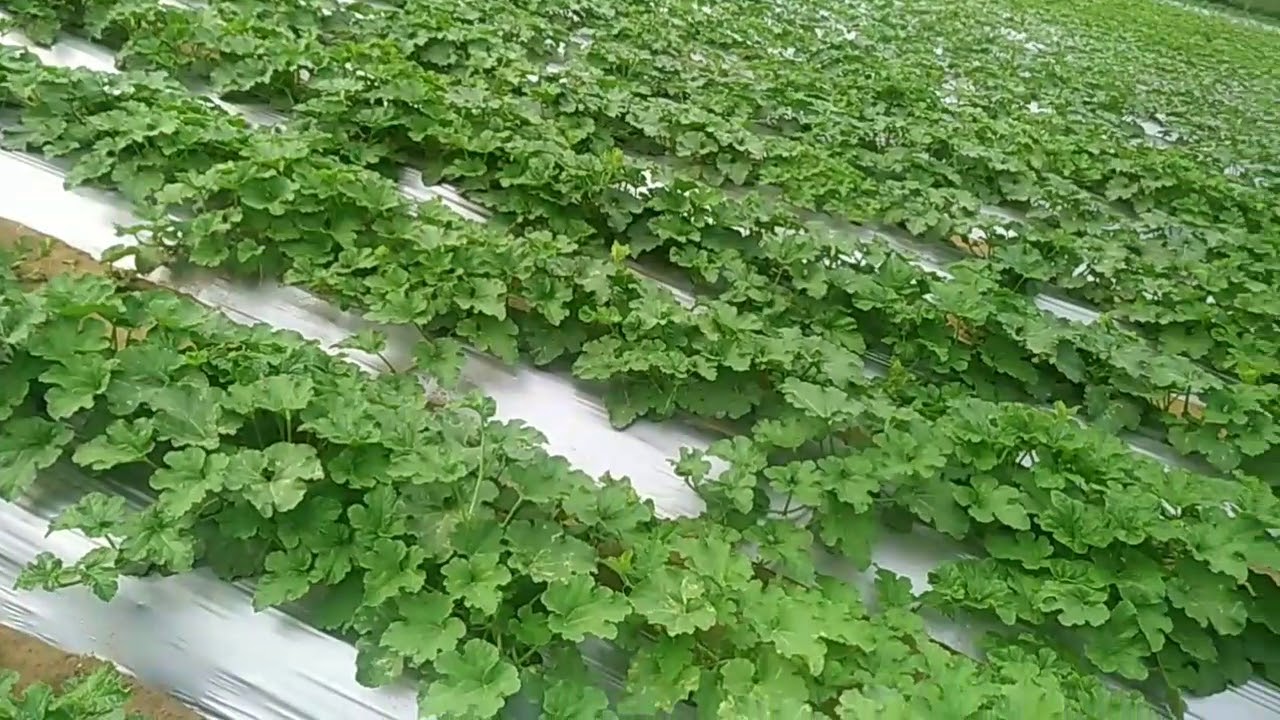
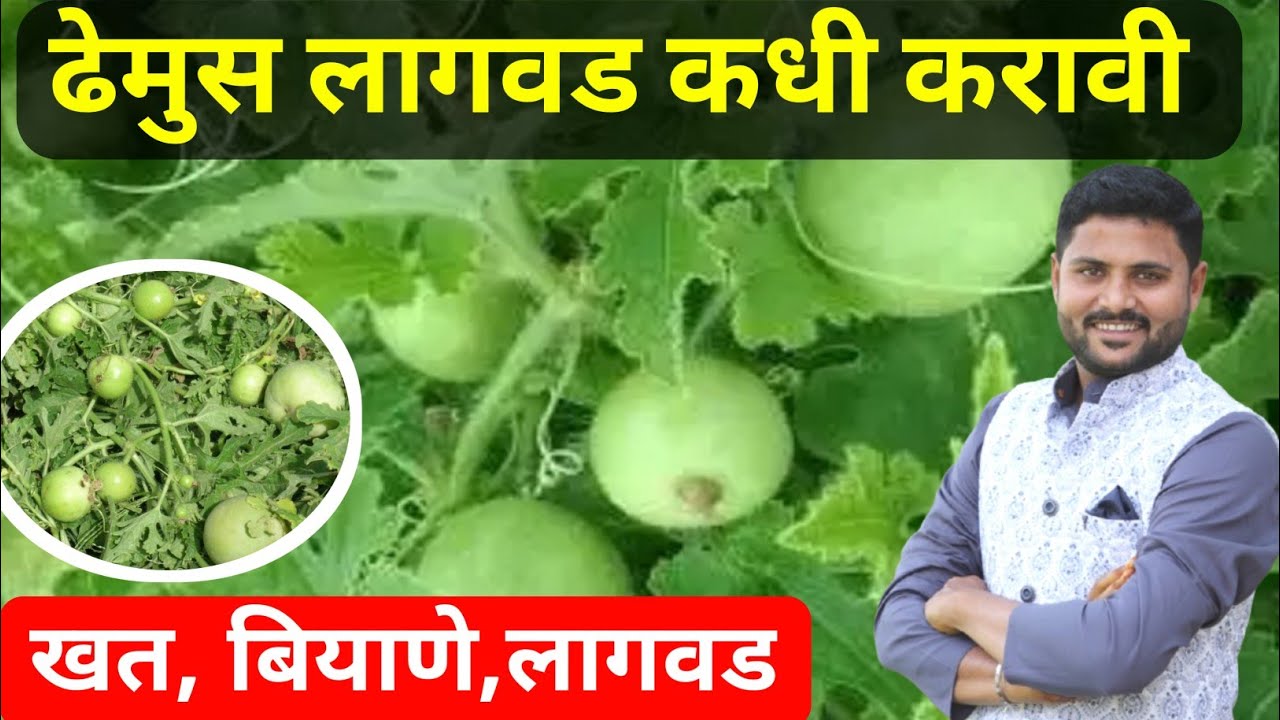
ढेमसे पिकातील सर्वोत्कृष्ट वाण (दिलपसंद / टीडा/ ढेमसे )
Автор: कृषी संवर्धन,महाराष्ट्र (Krushi savardhan,MH )
Загружено: 2025-05-31
Просмотров: 2230
Tinda, also known as "दिलपसंद / टीडा/ ढेमसे", is a squash-like cucurbit grown for its immature fruit. It is commonly used in South Asian cuisine. The fruit is small, round, and green, with a pale, tender flesh. Tinda has a mild, slightly sweet flavor and a soft texture when cooked. It is often used in curries, stews, and stir-fries.
Overview of Tinda as a Crop
Tinda, scientifically known as *Praecitrullus fistulosus*, is a member of the Cucurbitaceae family. Commonly referred to as Indian round gourd or apple gourd, tinda is distinguished by its small, round shape and pale green skin. It is widely cultivated and consumed in various regions of South Asia, especially in India and Pakistan. The plant thrives in warm climates and is often grown in home gardens, small farms, and larger agricultural settings due to its adaptability and relatively low maintenance requirements.
Importance of Tinda in South Asian Cuisine,
In South Asian cooking, tinda is cherished for its versatility and mild flavor. When harvested at the immature stage, it is used in multiple dishes ranging from curries to stir-fries and can also be stuffed and baked. Its tender flesh absorbs spices and flavors well, making it a popular ingredient among home cooks and professional chefs alike. In many households, tinda is considered a healthy and nutritious option, rich in vitamins, minerals, and dietary fiber. It is often cooked with spices such as turmeric, cumin, coriander, and chili, which enhance its taste and nutritional profile.
Nutritional Value
Tinda is low in calories and rich in water content, making it an excellent choice for those looking to maintain a healthy diet or lose weight. It is a source of vitamins A and C, which are essential for immune function and skin health. Additionally, tinda contains minerals such as potassium, magnesium, and iron. The high fiber content in tinda contributes to digestive health and can aid in regulating blood sugar levels. Its nutritional benefits make it a popular vegetable among health-conscious consumers.
Cultivation and Growing Conditions
#### Climate and Soil Requirements
Tinda prefers a warm climate, thriving best in temperatures ranging from 25 to 35 degrees Celsius. It requires full sunlight for optimal growth and should be planted in well-drained, fertile soil with a pH level between 6.0 and 7.0. Although tinda can grow in various soils, loamy soils enriched with organic matter yield the best results. Farmers often incorporate compost or well-rotted manure into the soil before planting to enhance fertility.
#### Propagation Methods
Tinda is primarily propagated through seeds. The seeds can be sown directly into the ground or started in seed trays and later transplanted. The ideal planting season varies by region but typically falls between spring and early summer. Seeds should be sown at a depth of about 1-2 inches, with a spacing of 2-3 feet between plants to allow for adequate air circulation.
#### Crop Management
Once established, tinda plants require regular care and management. This includes:
**Watering**: Tinda requires consistent moisture, especially during flowering and fruiting stages. However, over-watering should be avoided to prevent root rot.
**Weed Control**: Farmers must regularly check for weeds that compete with tinda for nutrients and space. Mulching can help suppress weed growth and maintain soil moisture.
**Fertilization**: A balanced fertilizer regimen should be followed, utilizing nitrogen, phosphorus, and potassium to promote healthy growth.
**Pest and Disease Management**: Common pests affecting tinda include aphids, spider mites, and cucumber beetles. Integrated Pest Management (IPM) practices are often recommended to minimize pesticide use while effectively controlling pests. Fungal diseases like powdery mildew may also pose a threat, necessitating proper air circulation and timely intervention.
Harvesting and Post-Harvest Handling
Tinda is typically ready for harvest within 60 to 75 days after planting, depending on the climate and growing conditions. Farmers should monitor the fruit for size and color; immature fruit is firm to touch and should be harvested before they turn yellow or mature fully.
Upon harvesting, tinda should be handled delicately to avoid bruising. It can be stored in a cool, dry place for several days, but its shelf life is relatively short, so it is often best consumed fresh. For longer storage, tinda can be blanched and frozen, allowing it to be preserved for use in offseason cooking.
.

Доступные форматы для скачивания:
Скачать видео mp4
-
Информация по загрузке: