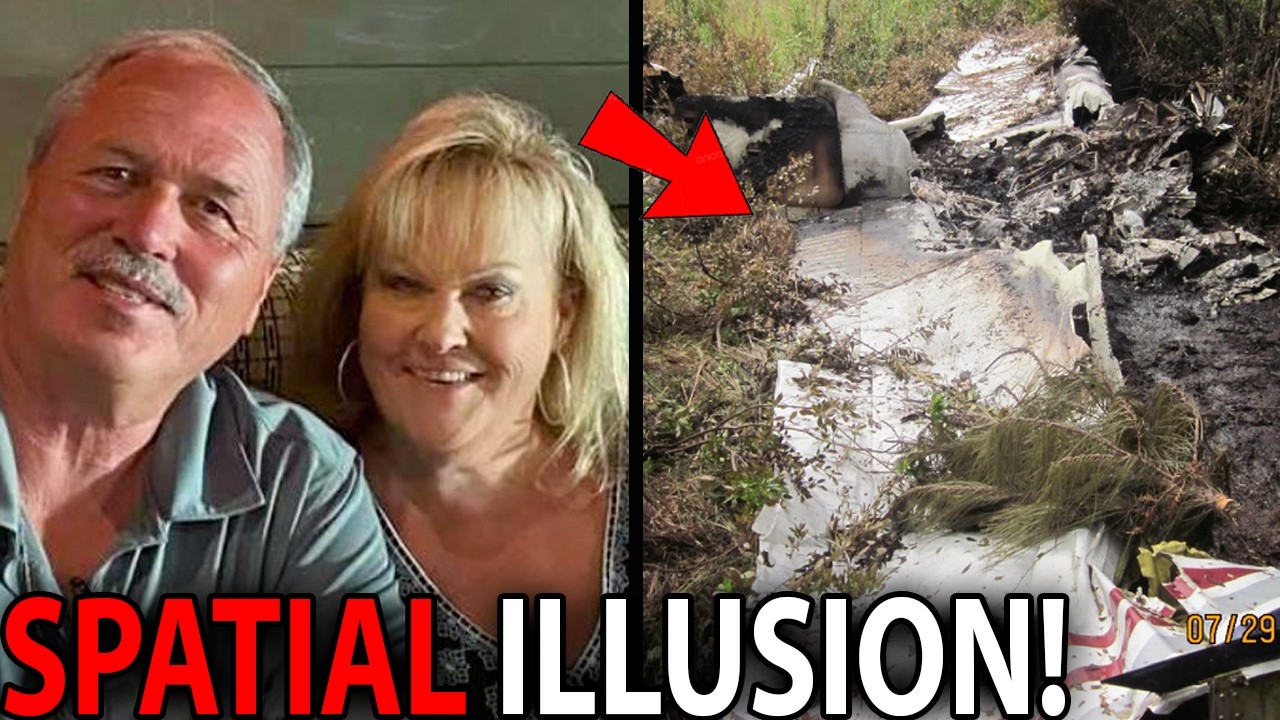
Unexpected! NTSB just revealed NEW Evidence in N9540R Bonanza Crash near Summer Lake 23 Dec 25…
Автор: Flig Debrief
Загружено: 2026-01-26
Просмотров: 273
Unexpected! NTSB just revealed NEW Evidence in N9540R Bonanza Crash near Summer Lake 23 Dec 25…
===
#fligdebrief #ntsb #plaincrash
==
Unexpected! NTSB just revealed NEW Evidence in N9540R Bonanza Crash near Summer Lake 23 Dec 25…
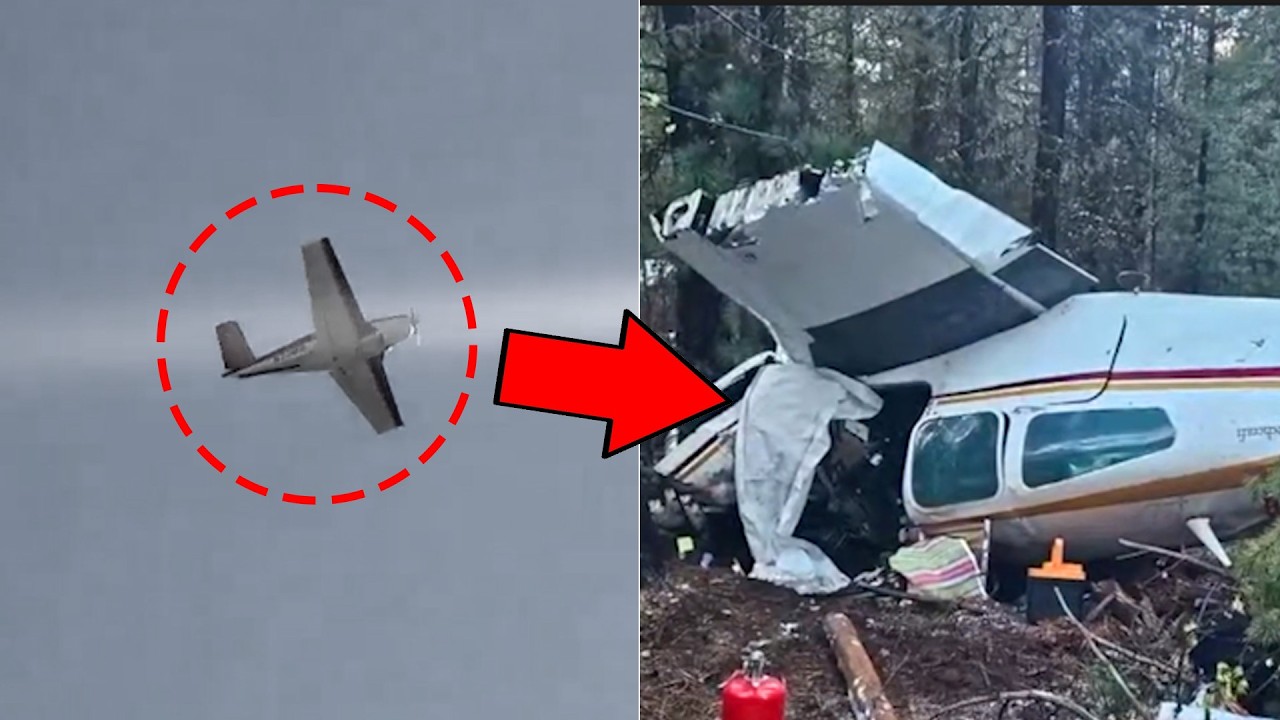
Today we’re looking at the crash of a Beechcraft K35 Bonanza near Summer Lake, Oregon, in late December. This was a personal VFR flight that climbed into winter weather, encountered icing, reported engine power loss, and never made it out. What matters here isn’t just what happened. It’s how fast the margins disappeared, and how winter conditions can quietly overwhelm an airplane like this without anything actually “breaking.”
When accidents involve icing and weather, it’s tempting to look for a single moment where everything went wrong. A bad decision. A missed cue. A mechanical failure. But this +accident doesn’t really work that way. What stands out instead is how a series of reasonable choices slowly boxed the airplane into a corner, until there just wasn’t enough performance left to keep going.
This is an early analysis based on the preliminary information. Details may change. But even now, there’s already a lot here that’s worth talking through carefully, because the scenario itself is something many pilots recognize — especially those who fly single-engine airplanes in winter.
Unexpected! NTSB just revealed NEW Evidence in N9540R Bonanza Crash near Summer Lake 23 Dec 25…
Before anything went wrong mechanically — or appeared to — this flight was already operating in a narrow space.
Late December in this part of Oregon means cold air, layered cloud decks, and widespread supercooled moisture. That’s not unusual weather. It’s seasonal. But it’s also the kind of environment where icing doesn’t announce itself loudly. It just shows up quietly, often right where you don’t want it.
This flight was conducted under VFR, with flight following. That’s an important distinction. Flight following provides traffic advisories and a set of eyes on you, but it does not provide separation from weather. It doesn’t guarantee altitude protection. And it doesn’t give you the structural guardrails that come with an IFR clearance. Weather avoidance, terrain clearance, and escape planning are entirely on the pilot.
Unexpected! NTSB just revealed NEW Evidence in N9540R Bonanza Crash near Summer Lake 23 Dec 25…
There was also no IFR flight plan filed. That matters because once visual conditions start to erode, the pilot has fewer tools to slow the situation down. There’s no clearance to fall back on. No guaranteed altitude block. No structured way to descend or hold while sorting things out. When VFR turns marginal, everything becomes more reactive.
Early in the flight, we see course changes and altitude adjustments. That doesn’t mean anything improper by itself. But it does tell us that the original plan wasn’t unfolding cleanly. The airplane wasn’t just cruising along in stable conditions. The pilot was already managing weather tactically, responding to what was ahead rather than executing a settled plan.
Доступные форматы для скачивания:
Скачать видео mp4
-
Информация по загрузке: