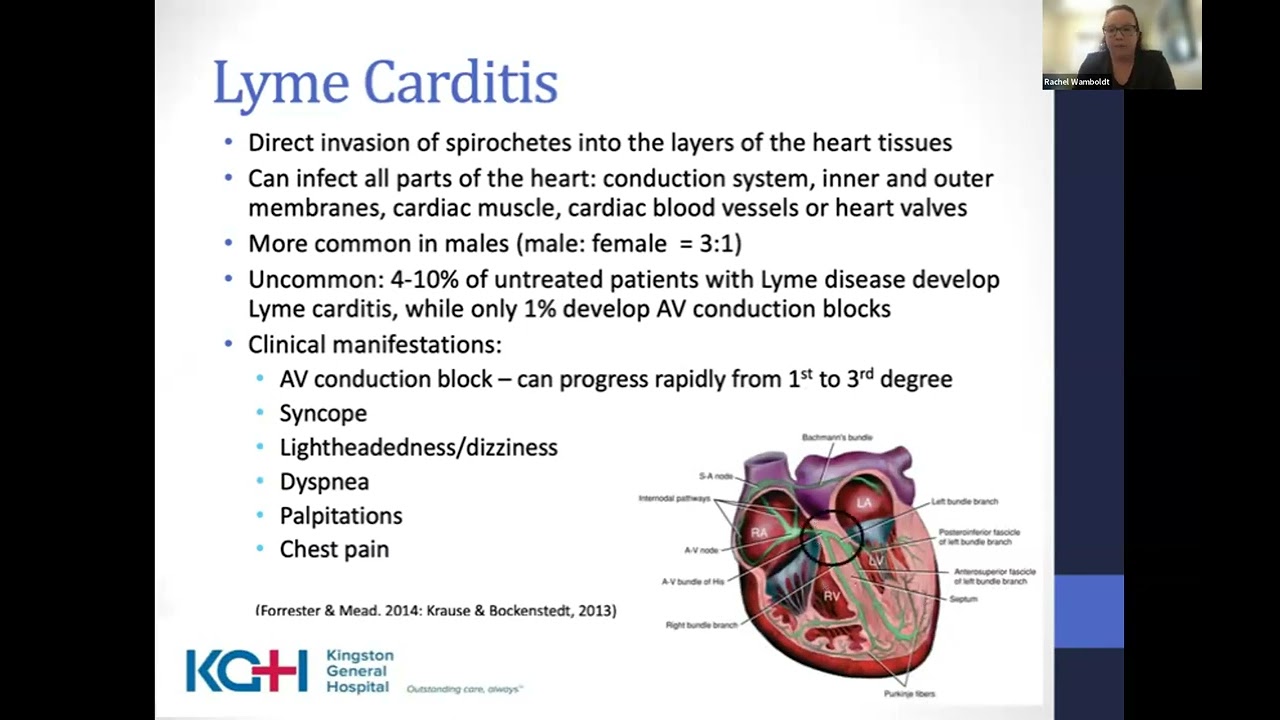
Lyme Disease Myths Busted: Facts You Shouldn't Ignore
Автор: Medical Centric Podcast
Загружено: 2024-06-13
Просмотров: 1226
Medical Centric Recommended : (Affiliate Links)
Thermometer ➝ https://amzn.to/48etrFS
Blood pressure machine ➝ https://amzn.to/465qJkN
Oximeter ➝ https://amzn.to/465jKHO
Bandage wrap or medical tape ➝ https://amzn.to/465qYfH
Gauze rolls ➝ https://amzn.to/3PapHws
Sanitizer -. https://amzn.to/3Pgytcg
Alcohol prep pads ➝ https://amzn.to/3rmcAjI
Breast pump ➝ https://amzn.to/3LpggIl
Baby’s thermometer ➝ https://amzn.to/3LoZFEG
Toilet seats with handle ➝ https://amzn.to/465jTuQ
Walker/ handicap scooters ➝ https://amzn.to/44Mb4VW
Sticks ➝ https://amzn.to/3t0aO8n
Weight machine ➝ https://amzn.to/48hDcDa
Ice packs ➝ https://amzn.to/3LoJJlT
Splint ➝ https://amzn.to/3EBh0GL
Waterproof bed pads ➝ https://amzn.to/3Rm5qGN
Stethescope ➝ https://amzn.to/3Rlxev3
Pill organizer ➝ https://amzn.to/3PCwdgV
Massage chair or massage related products ➝ https://amzn.to/3rcrsRS
Compression socks ➝ https://amzn.to/465r8DP
Knee brace/stabilizers ➝ https://amzn.to/45Qk1ii
_________________________________________________________________________
Lyme disease is a growing concern worldwide, particularly in areas where ticks are prevalent. This blog post aims to provide comprehensive information about Lyme disease, covering its causes, symptoms, diagnosis, treatment, and prevention strategies.
#### What is Lyme Disease?
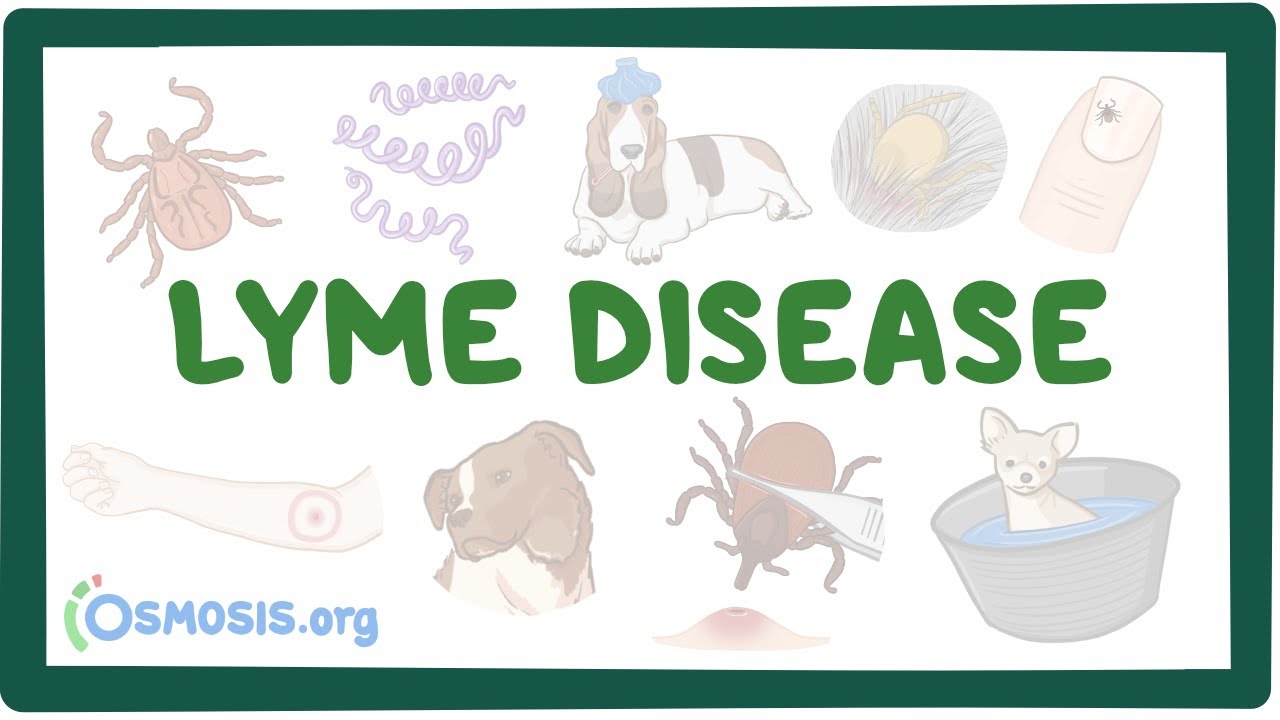
Lyme disease is an infectious disease caused by the bacterium *Borrelia burgdorferi*. It is primarily transmitted to humans through the bite of infected black-legged ticks, commonly known as deer ticks.
#### Causes and Transmission
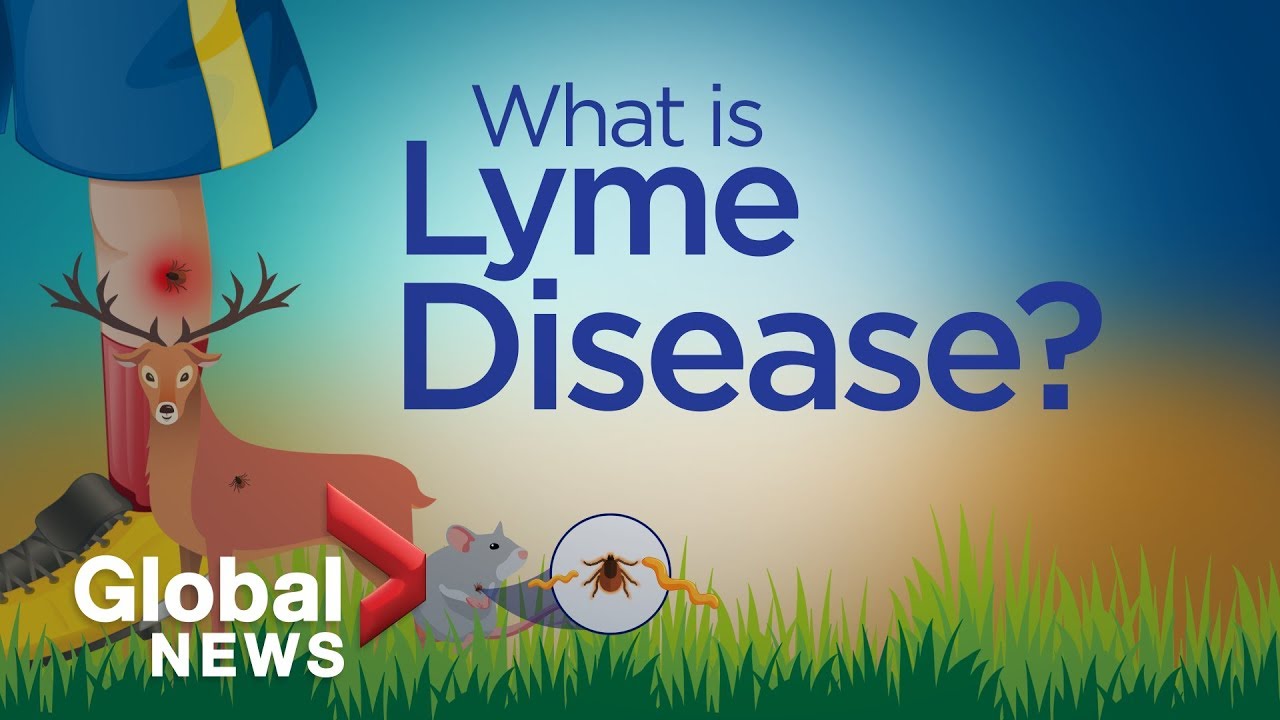
The primary cause of Lyme disease is the bite of an infected tick. Ticks become carriers of the bacterium after feeding on infected animals, such as deer, birds, or rodents. Humans typically get infected through the bite of immature ticks called nymphs, which are about the size of a poppy seed and difficult to see.
#### Symptoms of Lyme Disease
Lyme disease can manifest in various stages, each with distinct symptoms:
1. *Early Localized Stage (3-30 days post-bite)*
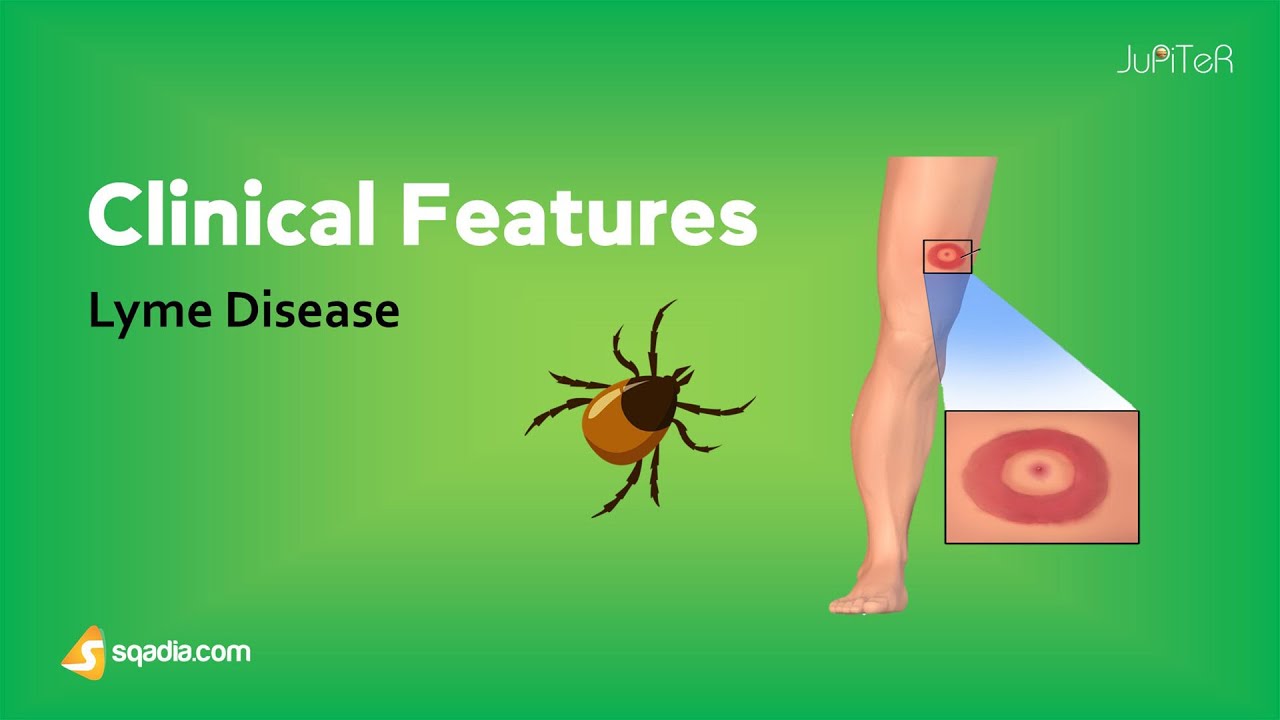
**Erythema Migrans (EM) Rash**: A red, expanding rash that often resembles a bull's-eye pattern. It may feel warm but is usually not painful or itchy.
**Flu-like Symptoms**: Fever, chills, headache, fatigue, muscle and joint aches, and swollen lymph nodes.
2. *Early Disseminated Stage (days to weeks post-bite)*
Multiple EM rashes on different parts of the body.
Facial or Bell's palsy (loss of muscle tone on one or both sides of the face).
Severe headaches and neck stiffness due to meningitis.
Pain and swelling in large joints.
3. *Late Disseminated Stage (months to years post-bite)*
Arthritis with severe joint pain and swelling, particularly in the knees.
Neurological problems such as numbness or tingling in the hands or feet, short-term memory issues, and confusion.
#### Diagnosis
Diagnosing Lyme disease can be challenging, as its symptoms mimic those of many other conditions. Key diagnostic steps include:
1. **Clinical Evaluation**: A thorough review of symptoms and potential tick exposure history.
2. **Laboratory Tests**: Blood tests such as the enzyme-linked immunosorbent assay (ELISA) and Western blot test are used to detect antibodies against *Borrelia burgdorferi*.
#### Treatment
Early-stage Lyme disease is typically treated with a course of oral antibiotics, such as doxycycline, amoxicillin, or cefuroxime. For more severe cases, especially those involving the central nervous system, intravenous antibiotics may be necessary.
#### Prevention
Preventing Lyme disease involves several strategies:
1. **Avoiding Tick Habitats**: Stay away from wooded and bushy areas with high grass, especially in tick-prone regions.
2. **Using Insect Repellents**: Apply repellents containing 20-30% DEET on exposed skin and clothing.
3. **Wearing Protective Clothing**: Wear long sleeves, long pants, and tuck pants into socks or boots.
4. **Performing Tick Checks**: After spending time outdoors, conduct a full-body tick check and promptly remove any attached ticks with fine-tipped tweezers.
5. **Maintaining Yard Hygiene**: Keep lawns mowed and remove leaf litter and tall grasses where ticks thrive.
#### Conclusion
Lyme disease is a serious but preventable illness. Awareness and education are crucial in reducing the incidence of this disease. By taking appropriate preventive measures, recognizing early symptoms, and seeking prompt medical attention, individuals can effectively manage and mitigate the risks associated with Lyme disease.

Доступные форматы для скачивания:
Скачать видео mp4
-
Информация по загрузке: