USMLE Cardiovascular 3: Arrhythmias Part 1
Автор: LY Med
Загружено: 2017-08-05
Просмотров: 11173
Want to support the channel? Be a patron at:
/ lymed *Mistake was made - Romano syndrome is not related to deafness. Jervell is!
Welcome to LY Med, where I go over everything you need to know for the USMLE STEP 1, with new videos every day.
Follow along with First Aid, or with my notes which can be found here:
https://www.dropbox.com/sh/xisbr5u8re...
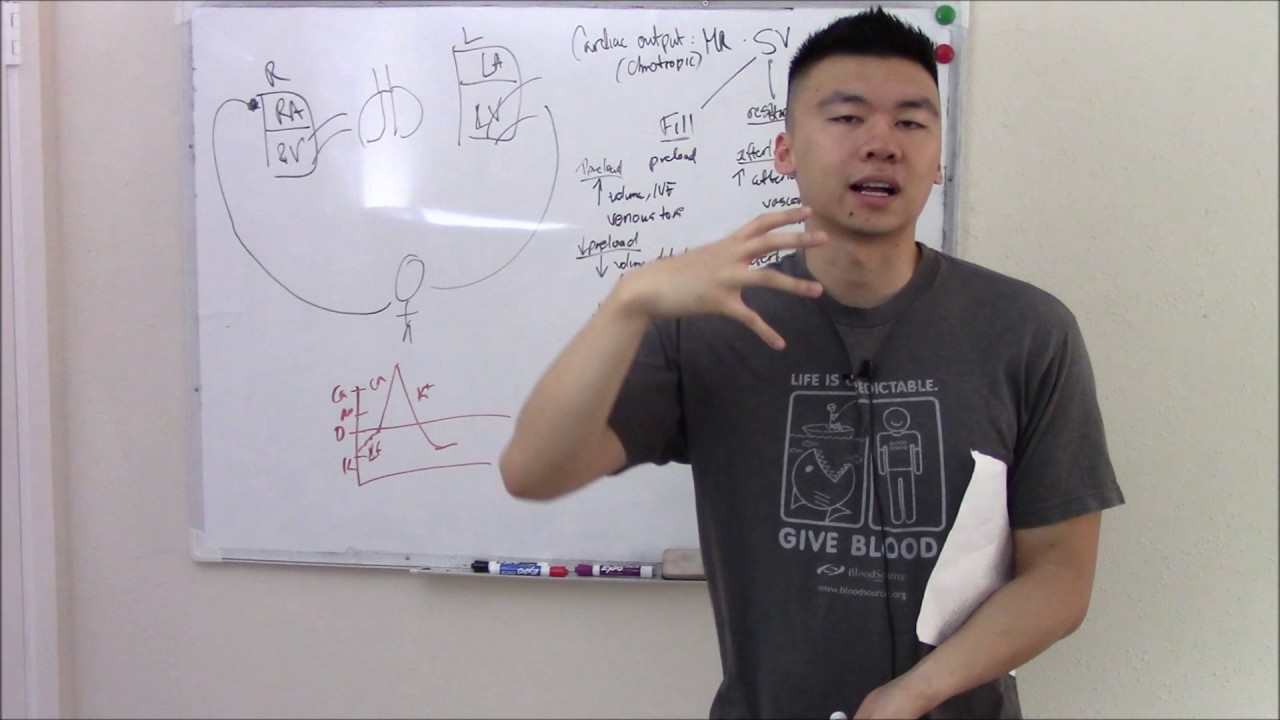
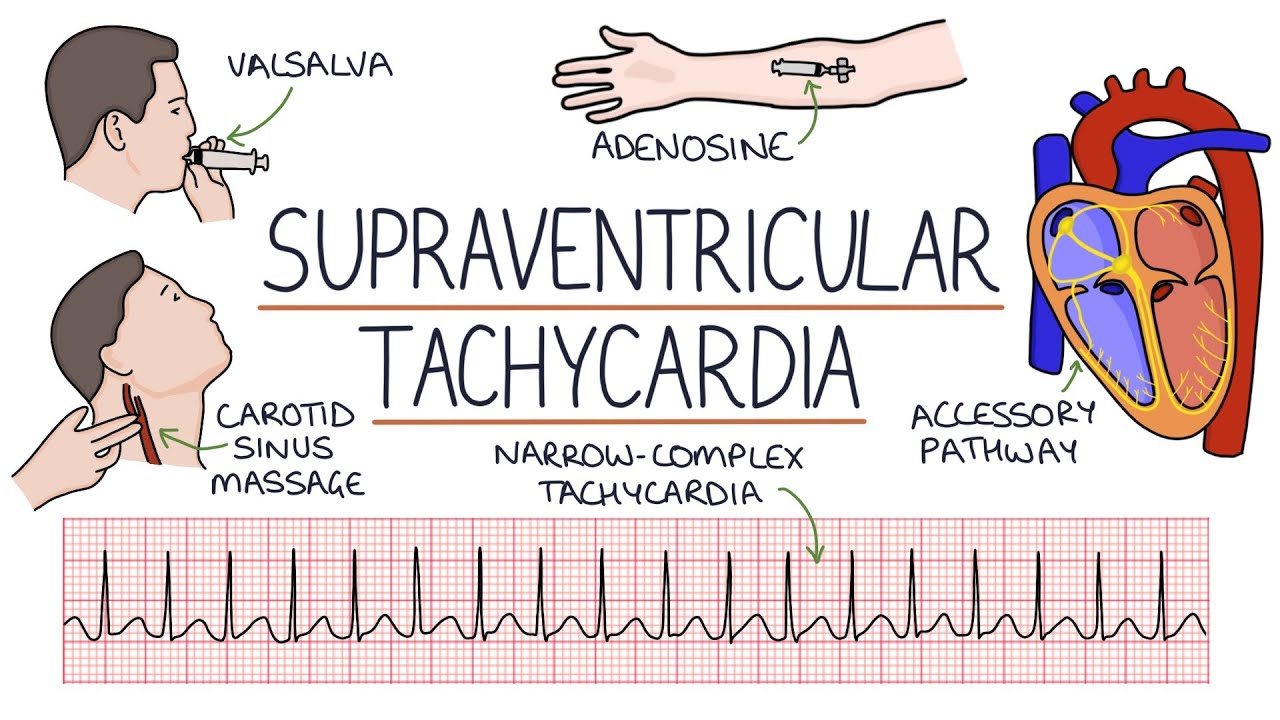
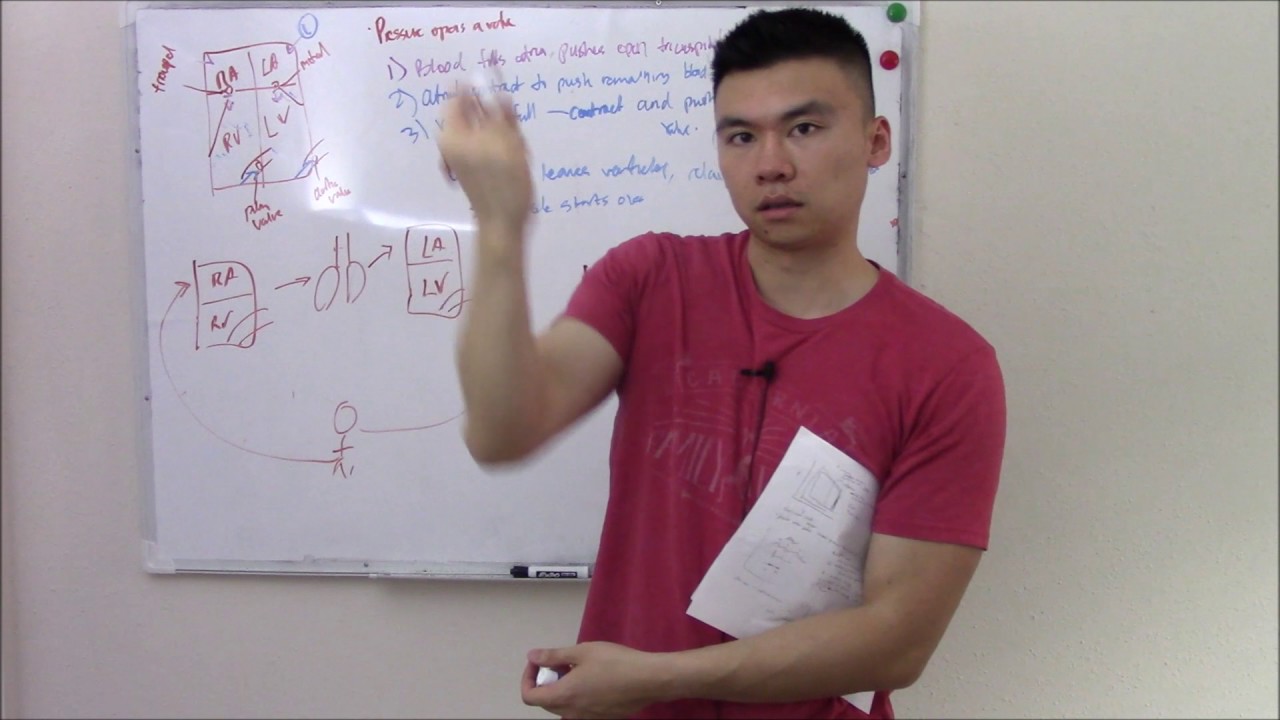
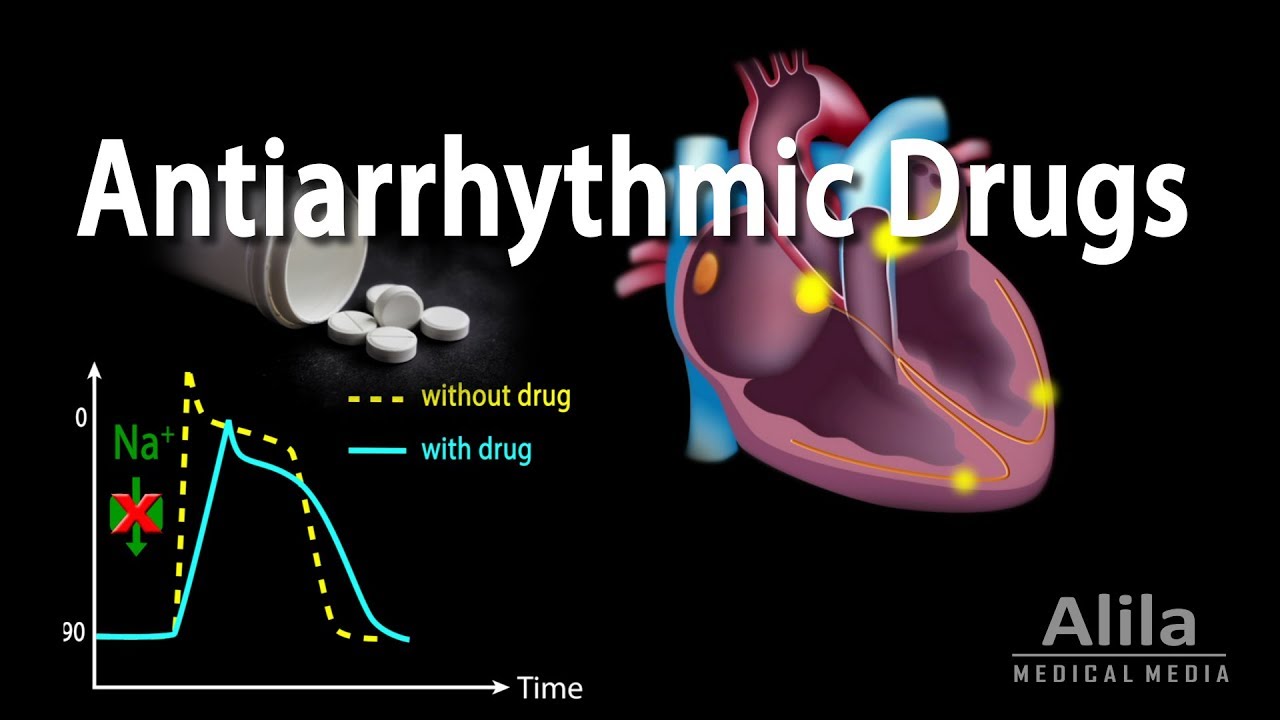
This video is on arrhythmias! This is an abnormal heart beat. We start by first reviewing what we've learned in our last video. So we'll go through the conductance pathway from SA node, to the AV node, Bundle of His and Purkinje fibers. We will also recap all the aspects of an ECG. So arrhythmias can be broken up into a few categories. If it's a problem in atrial contraction, we call that supraventricular arrhythmias. If it's a problem with getting it through to the ventricles via the AV node, we call this AV block or heart block. Normally a signal get's sent to the ventricles, and problems here are called ventricular arrhythmias.
1) Supraventricular arrhythmias
-Atrial fibrillation: A fib is common and is due to a vibrating atria. Here the atrium does not fully contract and just vibrates in an irregularly irregular way. This can lead to blood clots, stasis, and emoblus. This increases your risk for ischemic events like strokes. ECG will show vibrating P waves.
-Atrial flutter: A flutter is normal contraction, but just at a fast rate. So you'll see the P waves. Sometimes it is due to re-entry pathways.
-Wolff Parkinson White: again can be due to re-entry, but can have a direct connection to the ventricle via the Bundle of Kent. This causes a premature contraction and shows as a delta wave on ECG.
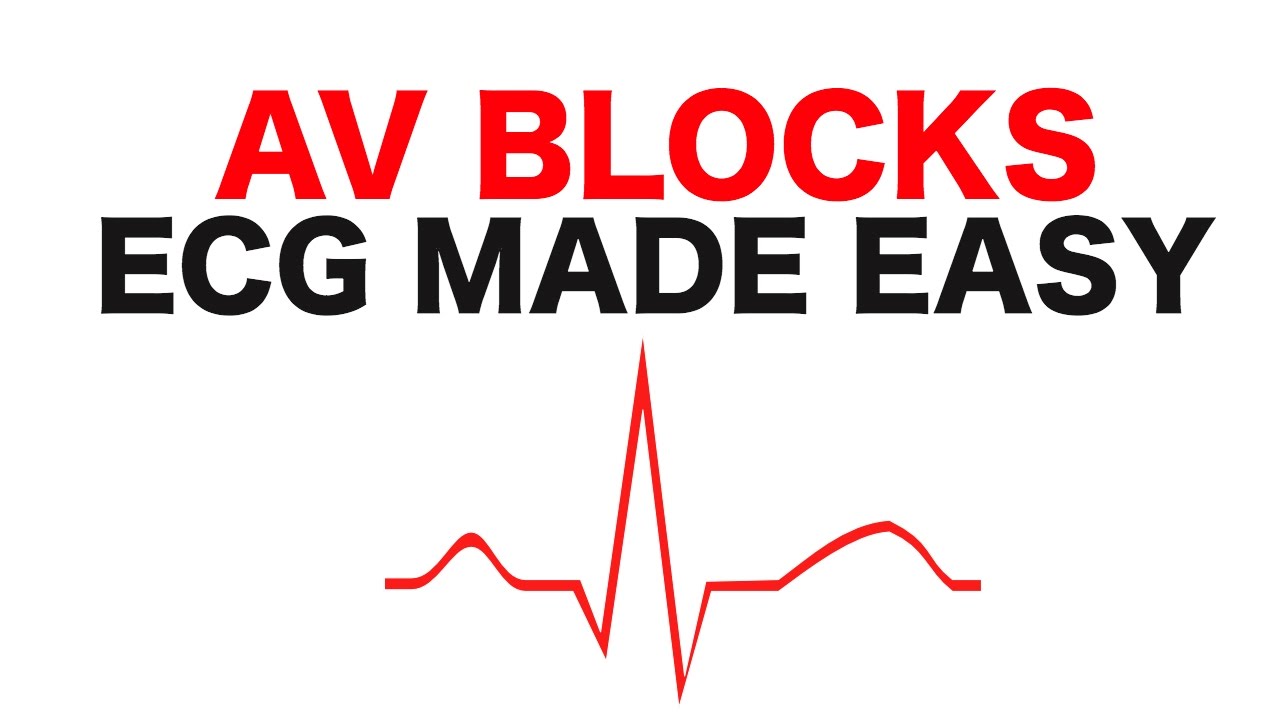
AV heart block
1) First degree: this is just a slowing of a signal and thus shows a prolonged PR interval.
2) Second degree Mobitz type 1: this is a progressive delay in PR interval until a beat is droped.
3) Second degree Mobitz type 2: spontaneous dropping.
4) Third degree heart block: no communication between atria and ventricles. P wave and QRS complex are not in relation with each other. Know that Lyme disease can cause this.
Ventricular arrhythmias
-Ventricular tachycardia : V tach means increased frequency of ventricular contraction.
Ventricular fibrillation : this is the vibration of the QRS contraction. This is the most dangerous. Needs immediate defibrillation.
Now there are some misc arrhythmias I want to talk about before I discuss anti-arrhythmia drugs. One is long QT syndrome. This measures the time it takes for the ventricles to contract and relax. Genetic causes are often due to an ion channel defect. This includes Romano syndrome, Jervell syndrome, and Brugada syndrome. If you prolong the QT long enough, it starts to look like a sine wave. We call this Torsades. This can progress to ventricular fibrillation. It is treated with magnesium.

Доступные форматы для скачивания:
Скачать видео mp4
-
Информация по загрузке: