Популярное

Музыка Кино и Анимация Автомобили Животные Спорт Путешествия Игры Юмор

Интересные видео

2025 Сериалы Трейлеры Новости Как сделать Видеоуроки Diy своими руками

Топ запросов

смотреть а4 schoolboy runaway турецкий сериал смотреть мультфильмы эдисон
dTub
Скачать

Obstetrics and Gynecology – Stress Urinary Incontinence: By Shawna Johnston M.D. & Emily Stern M.D.

Автор: Medskl.com

Загружено: 2017-05-02

Просмотров: 29474

Описание:

medskl.com is a global, free open access medical education (FOAMEd) project covering the fundamentals of clinical medicine with animations, lectures and concise summaries. medskl.com is working with over 170 award-winning medical school professors to provide content in 200+ clinical presentations for use in the classroom and for physician CME.

Obstetrics and Gynecology – Stress Urinary Incontinence
Whiteboard Animation Transcript
with Shawna Johnston, MD and Emily Stern, MD
https://medskl.com/module/index/stres...


Stress urinary incontinence, or SUI, is the involuntary loss of urine with an increase in intra-abdominal pressure, such as coughing, sneezing, or exercising. SUI is a common and disabling condition affecting up to ⅓ of women.

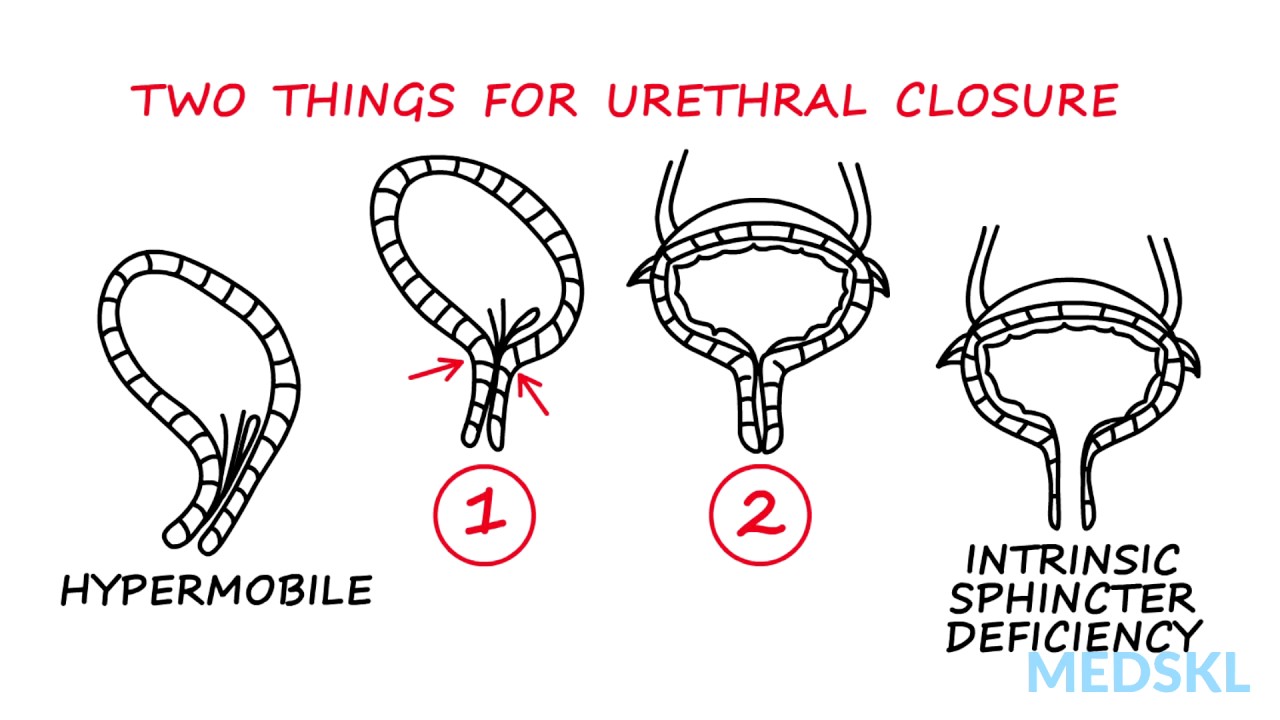
Two things are necessary for urethral closure and thus continence, when intra-abdominal pressure increases.

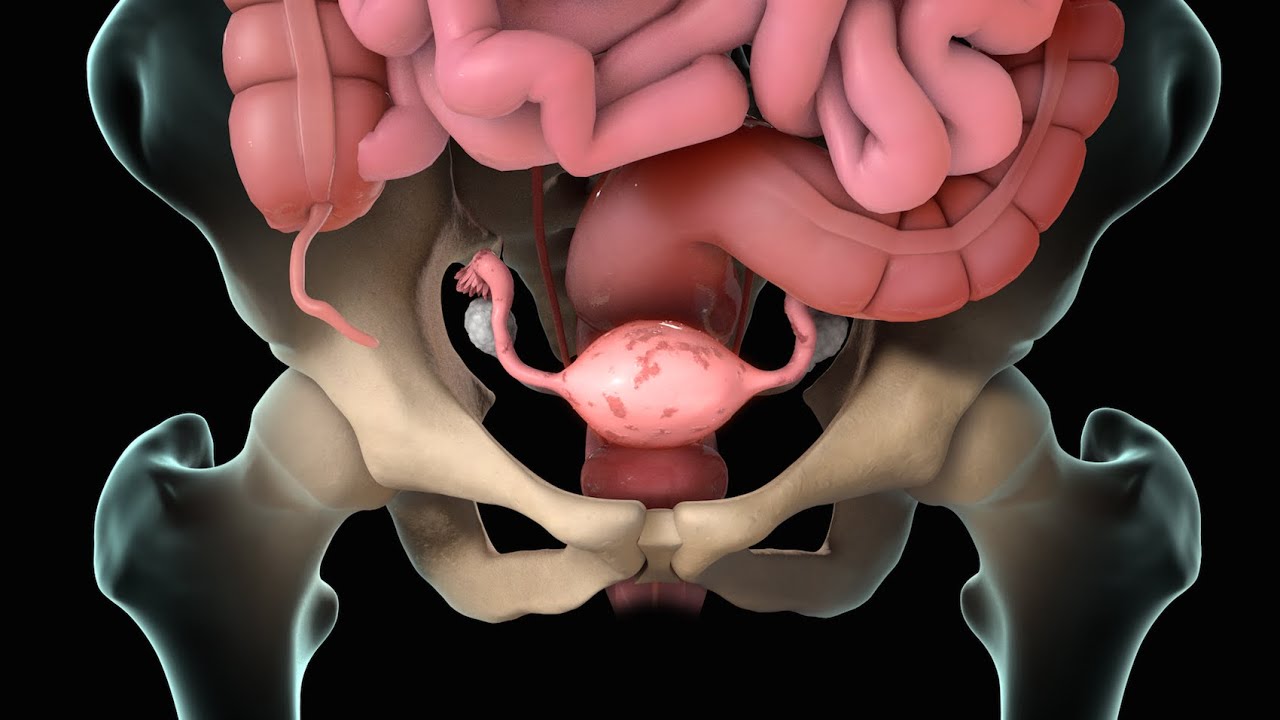
First, the pelvic floor musculature and connective tissue must support the urethra (also known as the bladder neck). When this support fails, the bladder neck becomes hypermobile, and incontinence occurs.

Second, the smooth muscle in the wall of the urethra must contract like a sphincter. When this fails, urethral closure does not occur. This is referred to as intrinsic sphincter deficiency.

Bladder neck hypermobility is much more common than is ISD.

When assessing a woman with incontinence, first ensure that the complaint is of stress incontinence, NOT urgency incontinence. The later implies a different bladder dysfunction. Ask if there are associated symptoms of prolapse, because the conditions often occur together. Make sure to assess the impact of stress incontinence on quality of life and on sexual function.

SUI is a symptom, not a diagnosis. The symptom can be confirmed on physical exam by leakage with a cough stress test. Because the usual mechanism for SUI is hypermobility, the position of the urethra should be assessed on exam. Pelvic floor muscle tone should also be assessed. Finally, a bimanual exam should be performed to rule out a pelvic mass as the reason for increased abdominal pressure.

The FRED mnemonic provides a helpful initial approach for the management of SUI:

Fluid Restriction;
Pelvic floor Exercises;
and Bladder Drill or (timed bladder emptying).

Intravaginal pessaries can be tried in patients who fail conservative management. These provide bracing support under the urethra. If unsuccessful, referral to a surgeon is next. Sling surgery may be recommended. Like pessaries, slings work by recreating a stable compressive surface underneath the urethra.
Obstetrics and Gynecology – Stress Urinary Incontinence: By Shawna Johnston M.D. & Emily Stern M.D.

Поделиться в:

Доступные форматы для скачивания:

Скачать видео mp4

  • Информация по загрузке:

Скачать аудио mp3

Похожие видео

Treatments for Stress Urinary Incontinence in the Female

Treatments for Stress Urinary Incontinence in the Female

Obstetrics and Gynecology – Overactive Bladder: By Shawna Johnston M.D. & Emily Stern M.D.

Obstetrics and Gynecology – Overactive Bladder: By Shawna Johnston M.D. & Emily Stern M.D.

Лечение стрессового недержания мочи

Лечение стрессового недержания мочи

Obstetrics and Gynecology – Abnormal Vaginal Bleeding: By Kate Pulman M.D.

Obstetrics and Gynecology – Abnormal Vaginal Bleeding: By Kate Pulman M.D.

How to Take Gynecological History

How to Take Gynecological History

Недержание мочи – стресс, позыв, переполнение: патофизиология, клиническая корреляция | USMLE | MCQ

Недержание мочи – стресс, позыв, переполнение: патофизиология, клиническая корреляция | USMLE | MCQ

Understanding the Menstrual Cycle

Understanding the Menstrual Cycle

Obstetrics and Gynecology – Pelvic Pain: By Leslie Po M.D.

Obstetrics and Gynecology – Pelvic Pain: By Leslie Po M.D.

Incontinence Evaluation and Bladder Function Testing | Oakdale ObGyn

Incontinence Evaluation and Bladder Function Testing | Oakdale ObGyn

PELVIC FLOOR 101: What does it do? What can go wrong? Where to start?

PELVIC FLOOR 101: What does it do? What can go wrong? Where to start?

Urinary Incontinence- Stress Incontinence, Urge Incontinence, Overflow Incontinence, Urine Retention

Urinary Incontinence- Stress Incontinence, Urge Incontinence, Overflow Incontinence, Urine Retention

Urinary Incontinence | Clinical Medicine

Urinary Incontinence | Clinical Medicine

«Бесплатные деньги» ежемесячно? Почему не вводят безусловный базовый доход

«Бесплатные деньги» ежемесячно? Почему не вводят безусловный базовый доход

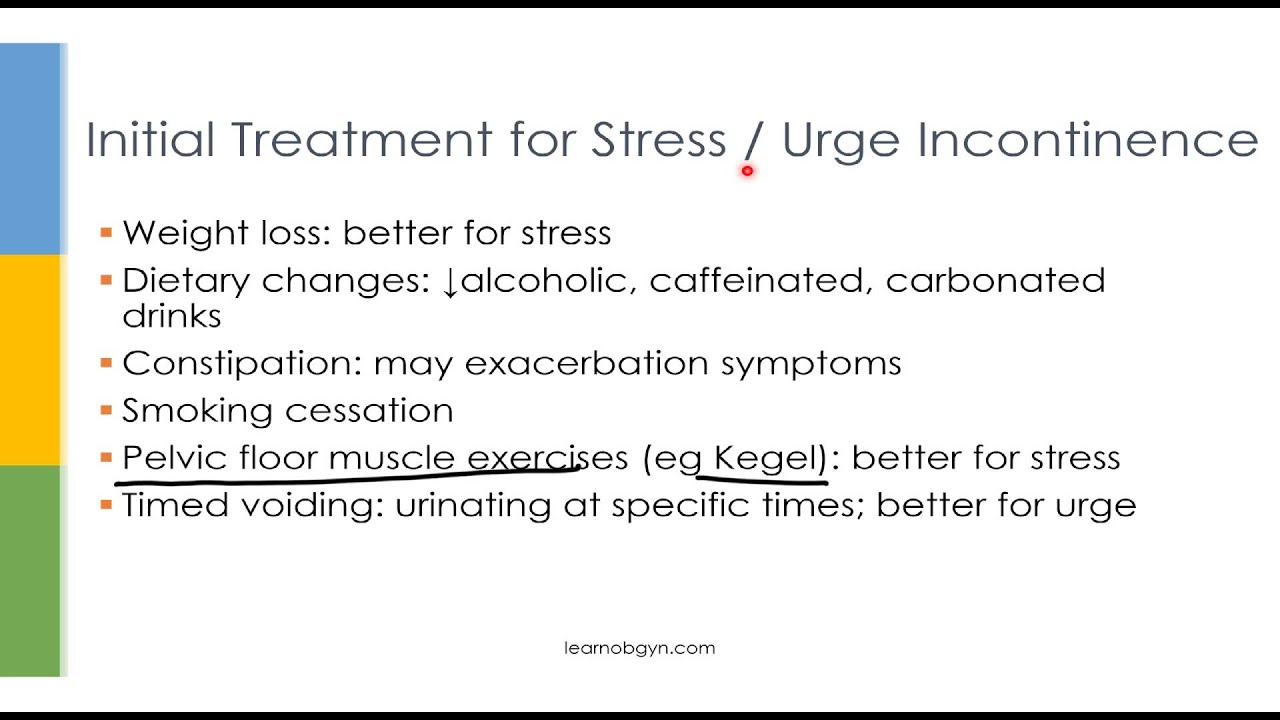
Learn OB/GYN: Urinary Incontinence

Learn OB/GYN: Urinary Incontinence

Obstetrics and Gynecology – Preterm Labour: By Leslie Po M.D.

Obstetrics and Gynecology – Preterm Labour: By Leslie Po M.D.

Ночные пробуждения в 3–4 часа: как найти причину и вернуть глубокий сон.

Ночные пробуждения в 3–4 часа: как найти причину и вернуть глубокий сон.

Недержания мочи у женщин, разговор тренера с урогинекологом о женском здоровье

Недержания мочи у женщин, разговор тренера с урогинекологом о женском здоровье

Treatment for Overactive Bladder & Urge Incontinence,  Dr. Ja-Hong Kim | UCLAMDChat

Treatment for Overactive Bladder & Urge Incontinence, Dr. Ja-Hong Kim | UCLAMDChat

OSCE TIPS | Urinary Incontinence And Prolapse | Obstetrics and Gynaecology OSCE |

OSCE TIPS | Urinary Incontinence And Prolapse | Obstetrics and Gynaecology OSCE |

Endometriosis

Endometriosis

© 2025 dtub. Все права защищены.


  • Контакты
  • О нас
  • Политика конфиденциальности


Контакты для правообладателей: infodtube@gmail.com