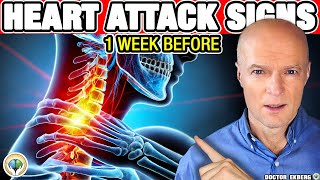
DOCTOR WARNING: Silent Heart Attacks Are Killing Millions - 7 HABITS THAT CAUSE SUDDEN HEART ATTACKS
Автор: BravHealth
Загружено: 2025-12-15
Просмотров: 13
DOCTOR WARNING: SILENT HEART ATTACKS ARE KILLING MILLIONS - 7 HABITS THAT CAUSE SUDDEN HEART ATTACKS
Have you ever had a “bit of indigestion”, a strange wave of tiredness, or a tight feeling in your chest that came and went… and you brushed it off because it didn’t feel dramatic enough to be “a real heart attack”? That’s exactly how silent heart attacks can slip under the radar — and by the time they’re noticed, the damage to the heart can already be done. The good news is that there are very real, very practical things you can change starting today, and in this video I’m going to walk you through seven everyday habits that quietly increase the risk of a sudden heart attack, plus the subtle warning signs people often miss and what to do if you ever suspect something is wrong. Welcome to BravHealth — if you care about staying independent, energetic, and protecting your heart long-term, make sure you like this video, subscribe, and tell me in the comments which habit surprised you most, because it helps me tailor the next videos to what you actually need.
Before we get into the seven habits, let’s make one thing crystal clear: a heart attack, medically called a myocardial infarction — which simply means part of the heart muscle is starved of blood and begins to die — doesn’t always look like the movie version with crushing pain and a dramatic collapse. A “silent” heart attack can be quieter: mild pressure, breathlessness, nausea, a strange heaviness in the arms, jaw discomfort, back pain between the shoulder blades, sudden sweating, or an overwhelming fatigue that feels almost flu-like. Why does that happen? Because pain signals vary wildly between people, and the heart’s distress can be “felt” in other areas through shared nerve pathways, a phenomenon called referred pain — meaning the brain interprets the problem as coming from somewhere else. Have you ever noticed how stress or illness can show up in the body in odd places that don’t quite make sense? The practical takeaway is this: if you feel something new, unusual, and alarming — especially breathlessness, pressure, clamminess, nausea, or a sudden collapse in energy — don’t try to be brave, don’t drive yourself, and don’t “wait and see”; call emergency services. Now here’s where the habits come in, because most heart attacks are not “lightning bolts out of nowhere” — they’re often the end result of years of tiny insults that quietly destabilise the blood vessels feeding the heart.

Доступные форматы для скачивания:
Скачать видео mp4
-
Информация по загрузке: