The making of the Williams Renault FW15c, Alain Prost's last championship winning car
Автор: Ferariiman
Загружено: 2014-02-18
Просмотров: 239120
Taken from http://www.ultimatecarpage.com/car/12...
In the early nineties Williams bounced back in great style after several difficult seasons. Essential in this return to form were an engine deal with Renault and the arrival of hugely talented designer Adrian Newey. The Renault V10 had already powered the British team to a pair of wins in both 1989 and 1990 but it was not until the Newey designed FW14 arrived in 1991 that Williams was able to challenge the dominant McLaren team.
Newey's very efficient aerodynamics and the powerful engine had resulted in seven wins and a second place in the constructor's table in 1991. If it wasn't for reliability issues early in the year the team would have been in contention for both titles. Much of the development work for 1992 focused on sophisticated electronics. Awaiting the completion of the new FW15, the new bits were fitted on the interim 'FW14B'. This proved so dominant that there was no need to roll out the FW15 in 1992.
Adapted to minor regulations changes, the FW15 did eventually make its competition debut at the start of the 1993 season as the FW15C. Unlike the FW14, it was designed for the latest electronic devices like the fully active suspension, so it was a much tidier package. Visually, it was hard to distinguish from the final evolution of the FW14 but nevertheless the aerodynamics had been improved by a further 12%.
One of the biggest tricks up the FW15C's sleeve was the hugely sophisticated active suspension system that was developed in-house at Williams. This allowed the suspension to be continuously optimised for each section of the track. Another feature was a 'push-to-pass' button, which would raise the rear ride-height and as a result reduce the drag created by the diffuser. In addition to the active suspension the 1993 Williams also featured traction control, ABS and fly-by-wire controls.
Renault supplied the latest evolution of their 3.5 litre V10. Fitted with pneumatic valves, it produced 780 bhp according to the official figures. The engine was mated to a transversely mounted, semi-automatic gearbox. Designed and built by Williams, it was operated by paddles behind the steering wheel. The driver also had the use of the 'one-up' button, which, once pressed, would instruct the gearbox to shift up the gears at the optimum revs until the driver touched one of the paddles again.
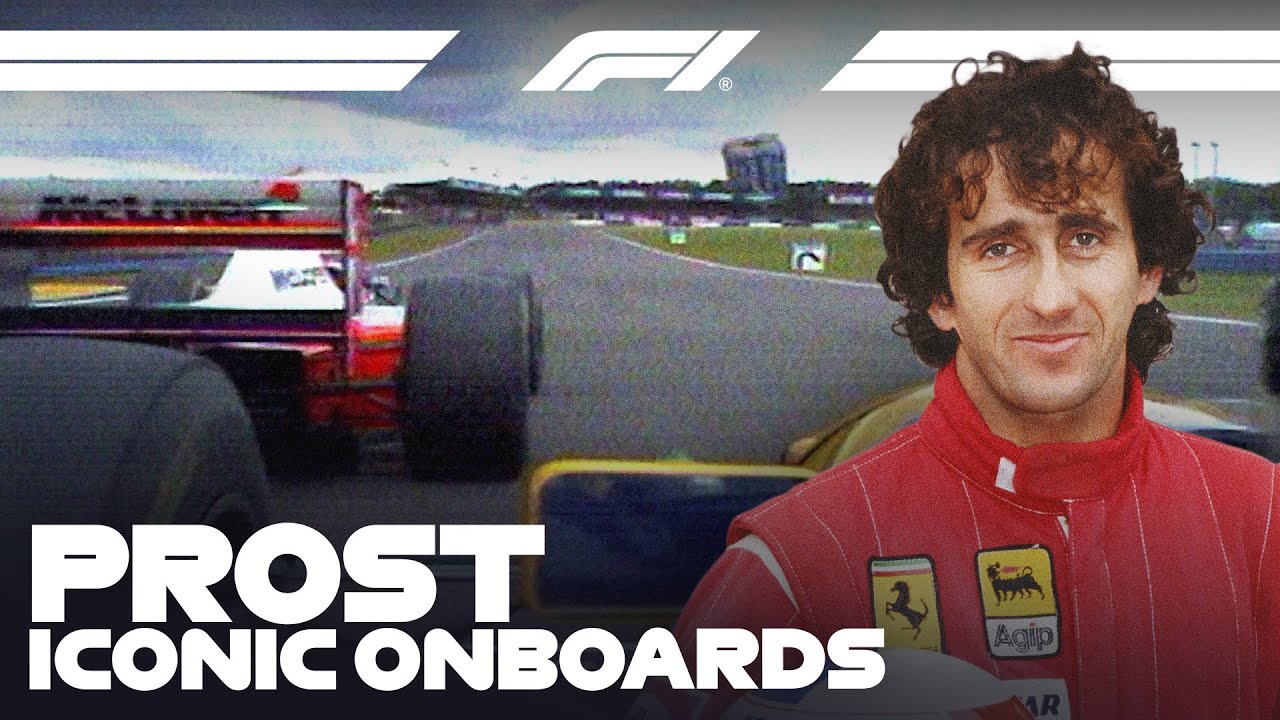
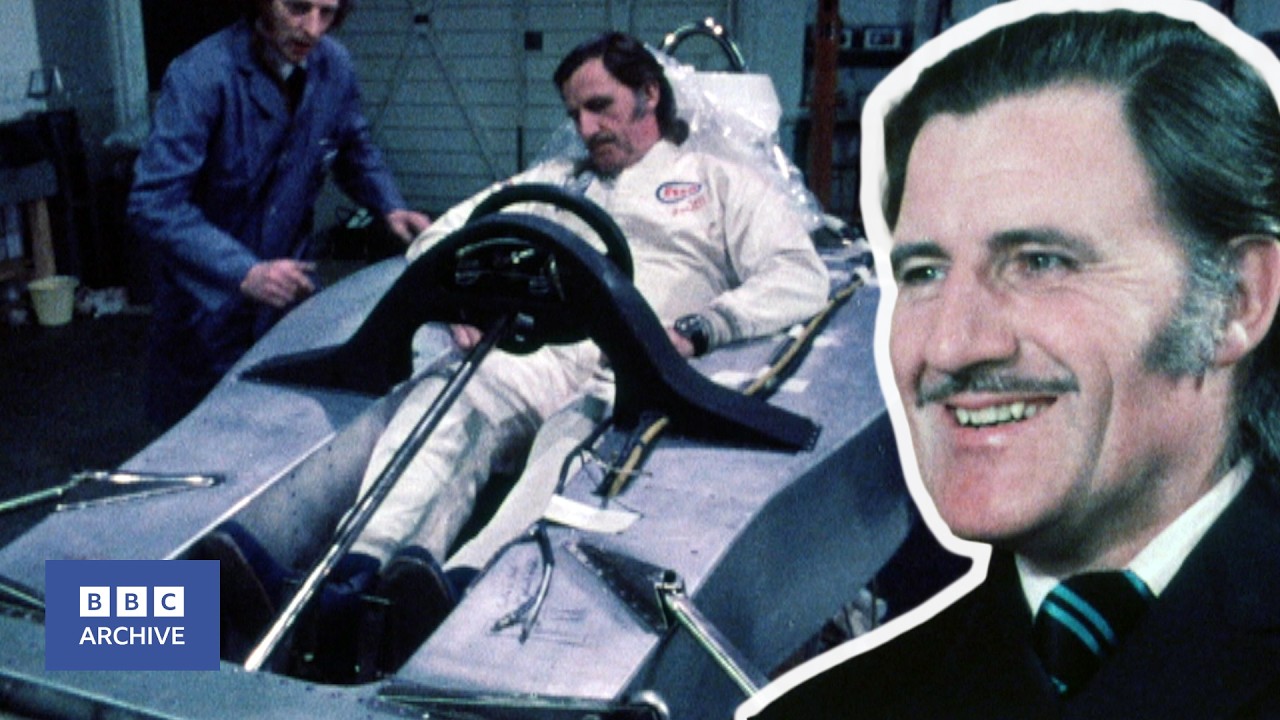
Williams had lost their 1992 World Champion Nigel Mansell but found a more than worthy replacement in Alain Prost. He lined up alongside Damon Hill, son of the two-time Champion Graham, who replaced Ricardo Patrese. Mansell had left to the United States to try his luck in the lucrative CART championship. With no World Champion on the grid, the Williams team were allocated the unusual start numbers 0 and 2 for Hill and Prost respectively.
On raw pace there simply was no equal to the FW15C for much of the 1993 season. At times Prost was 2 seconds faster in qualifying than his closest rivals Ayrton Senna (McLaren) and Michael Schumacher (Benetton). Prost dominated the opening race but bad luck saw Senna win the next two. The order was restored as the Frenchman won six of the next seven races. His winning streak was eventually ended by team-mate Damon Hill, who won three races on the trot, following his debut victory at Hungary.
Prost won the driver's title and with ten victories in sixteen attempts, Williams convincingly grabbed the constructor's crown. Illustrative of the FW15C's pace was the record of fifteen straight pole positions. Although they look great on paper, the results were not achieved quite as straightforward as may appear at first glance. Described by Prost as a 'Little Airbus', the FW15C was notoriously difficult to drive due to all the electronics often tricking the drivers' senses.
Halfway through the 1993 season, the FIA already expressed their desire to ban the high-tech 'driver aids' and some tweaks were made to the regulations. For 1994 all of the sophisticated electronics that featured so prominently on the FW15C were banned. The final development tested late in 1993 was a continuously variable transmission following a design pioneered by DAF. This made the already dominant car faster still. When the FIA got wind of the system, it was banned as well.
In the next years the teams tried to re-introduce many of the driver aids but the Formula 1 cars were never so comprehensively equipped as the FW15C. This makes the Renault-engined machine perhaps the most advanced Grand Prix car ever built. In low-tech form, the Newey designed Williams Renaults would continue to feature at the head of the grid for some years to come.

Доступные форматы для скачивания:
Скачать видео mp4
-
Информация по загрузке: