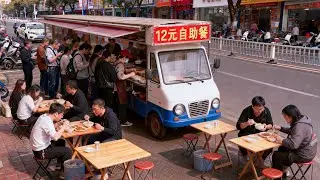
廣州高第街掃年貨Guangzhou Shopping Adventure: Treasure Hunting in the Year-End Crowds of Gaodi Street!(4K)
Автор: LucianNG
Загружено: 2026-01-17
Просмотров: 1338
高第街位於廣州市越秀區,是一條東西走向連接北京路與廣州起義路的歷史街巷,全長僅約六百米。
這條街見證了從宋代高門宅第、清代廣州府署到近代商業傳奇的完整歷史脈絡,2023年入選《廣州市地名保護名錄(第一批)》。
高第街真正的歷史轉折點在1980年——它成為廣州市第一個對外開放的工業品市場。在改革開放初期,高第街彙聚了最早的一批個體戶,他們用竹架、鐵架搭起簡易攤檔,銷售當時最新潮的服裝鞋帽。
鼎盛時期的1983至1992年間,高第街引領全國服裝批發市場,成為時尚潮流風向標,甚至有“沒到過高第街就等於沒到過廣州”的說法。當時這裡商品種類繁多,從成衣服裝到日用百貨,應有盡有,不少檔口“獨沽一味”,專售皮帶、手帕、襪子或化妝品,品種極其豐富。
歷史與建築特色
高第街是廣州許氏家族的聚居地“許地”,許氏家族湧現了許崇智、許卓、許崇清及魯迅夫人許廣平等知名人物。
清道光年間,族人修祠建宅,形成了家廟、戲台、書室、花園等建築群,古色古香。街道名稱“高第”源於“高中科舉、高家府第”之意,流傳至今。
在建築風格上,高第街保留了清代至民國時期的騎樓建築特色,這些建築正面臨街,下層為店鋪,上層為住宅或倉庫,形成了獨特的嶺南商業街景觀。
現狀與轉型
時至今日,高第街已轉型為內衣及小商品批發集散地,幾乎所有店鋪都在經營各式內衣褲、泳衣、皮帶等小配飾。隨著城市發展,高第街的騎樓建築正面臨保護與更新的挑戰。
從全國服裝批發中心到專注內衣小商品批發的轉變,反映了中國商業生態的變遷與市場細分趨勢。
文化價值
高第街不僅是一條商業街,更是廣州商業精神的象徵。它見證了從計劃經濟向市場經濟轉型的關鍵歷程,承載了第一代個體戶的創業記憶。
1918年廣州開始拆除城牆修築馬路,高第街地區是最早受到影響的地區之一,這使得在城市現代建設初期,高第街周邊沿馬路區域迅速發展起來,商鋪開始向馬路沿線轉移。
Gaodi Street, located in Guangzhou's Yuexiu District, is a historic alleyway approximately 600 meters long that connects Beijing Road and Guangzhou Qiyi Road.
With a history dating back to the Song Dynasty, the street was named for the many "high-ranking residences" (Gaodi) located there and is home to the ancestral grounds of the prominent Xu family.
Historical Significance & Commercial Transformation
The street's most significant transformation occurred in October 1980 when it became Guangzhou's first open industrial products market following China's reform and opening-up policy.
During its peak from 1983 to 1992, Gaodi Street was the nation's leading garment wholesale hub, attracting buyers from across China and even international merchants from the Middle East and Africa. It was famously said that "you haven't been to Guangzhou if you haven't been to Gaodi Street".
The market was known for its specialization, with many vendors focusing on single product categories like belts, handkerchiefs, socks, or cosmetics, offering an immense variety within their niche.
Architectural & Cultural Heritage
The street features distinctive Qilou (arcade house) architecture from the late Qing and Republican periods, characterized by covered walkways that shelter pedestrians from rain and sun.
Gaodi Street is also notable as the ancestral home of the Xu family, which produced several prominent figures including Xu Guangping, the wife of renowned writer Lu Xun.
The street's name is derived from a phrase meaning "excelling in imperial examinations and high-ranking residences," reflecting traditional aspirations.
Current State & Cultural Value
Today, Gaodi Street has evolved into a specialized wholesale market for lingerie, swimwear, and small accessories.
The street represents more than commerce—it embodies Guangzhou's entrepreneurial spirit and serves as a living museum of China's economic transition from planned economy to market economy.
In 1918, when Guangzhou began demolishing city walls to build roads, the Gaodi Street area was among the first affected, leading to rapid commercial development along the new roadways.
#廣州高第街
#GaodiStreet
#GuangzhouHistory
#廣州歷史
#guangzhouculture
#改革開放
#ReformAndOpeningUp
#中國商業史
#ChineseBusinessHistory
#個體戶
#批發市場
#廣州旅遊
#騎樓建築
#QilouArchitecture
#廣州傳統
#GuangzhouTradition
#許氏家族
#XuFamily
#GuangzhouTravel
#城市探索
#UrbanExploration
#歷史街區
#HistoricalStreet
#紀錄片
#Documentary
#文化視頻
#CulturalVideo
#歷史紀錄
#歷史探索

Доступные форматы для скачивания:
Скачать видео mp4
-
Информация по загрузке:



![2025广州街景:中山六路-北京路-一德路,最美骑楼街自驾,看尽老城烟火气🏮 Driving Old Guangzhou: Historic Arcade Streets & Markets[4K]](https://image.4k-video.ru/id-video/gyMQcr-GeoA)