Wine service. How to open a bottle of wine as a sommelier in a Fine Dining Restaurant
Автор: The Waiter's Academy
Загружено: 2018-06-07
Просмотров: 24934
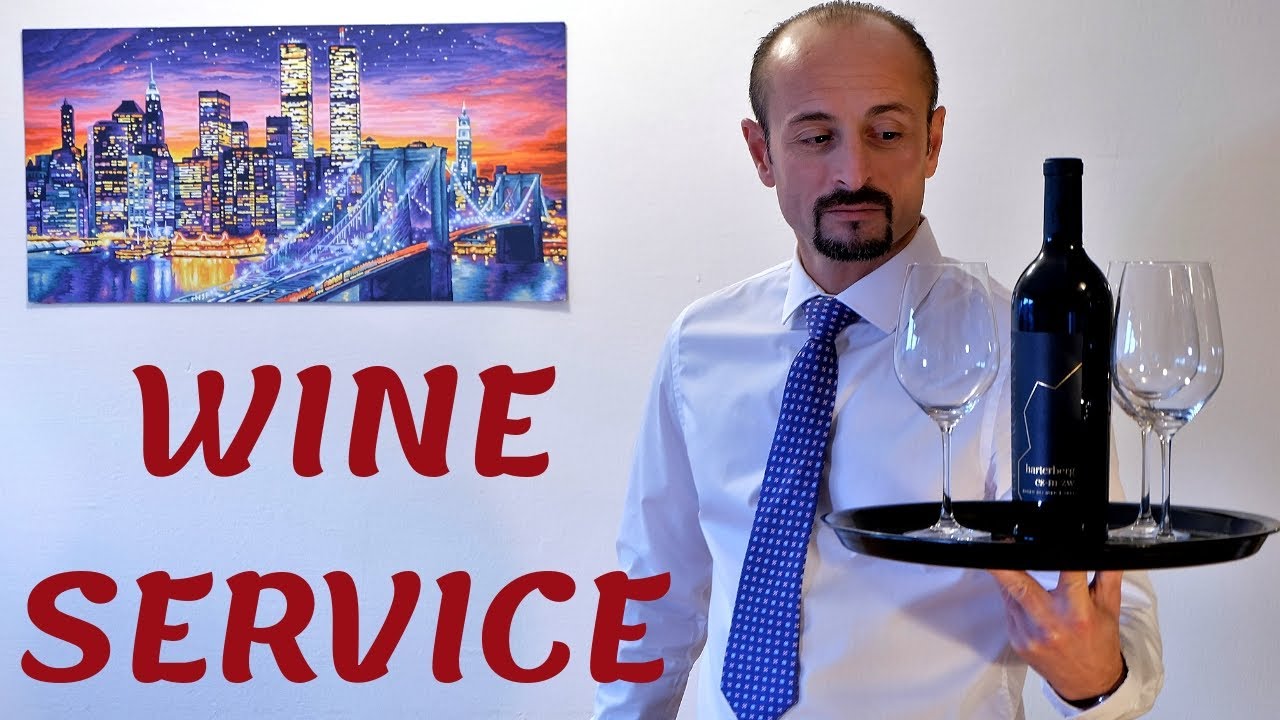
Wine Service is an essential skill in a fine dining restaurant. Learn how to open a bottle of wine with elegance, following the proper sommelier techniques. Perfect the art of presenting, decanting, and pouring wine in a professional manner that enhances the guest’s experience.
Looking for F&B Training?
Check our Membership plans for restaurants and individuals:
https://www.thewaitersacademy.com/mem...
Searching for Waiters or a job? Go to:
https://waitersnetwork.com/
Presenting and Opening a Bottle of Wine
As a fine dining waiter, one of the most important aspects of wine service is the presentation of the bottle before opening and serving. This process is important not only for the visual appeal but also for building trust and establishing a sense of professionalism with your guests.
Here are some tips for proper wine bottle presentation:
Clean the bottle: Before presenting the bottle, make sure it is clean and free of any dirt or residue. This is especially important for older wines, as any dirt or mold on the bottle could indicate a problem with the storage conditions.
Choose the right glassware: Select appropriate glasses that complement the wine being served. The glassware should be clean and free of any residue.
Show the label: When presenting the bottle, hold it by the base and tilt it slightly so that the label is visible to the guest. This allows them to confirm the wine they ordered and appreciate the label design. Mention the name of the wine, the vintage, and the region, and let the guest confirm this is the wine they ordered.
Cut the foil: Use a wine opener to cut the foil on the top of the bottle, ensuring not to damage the cork or the label.
Wipe the top of the bottle: Use a clean cloth to wipe the top of the bottle, removing any dirt or residue that may have accumulated on the cork.
Open the bottle: Using a wine opener, gently remove the cork from the bottle. Be careful not to break the cork or disturb any sediment that may have settled in the bottle.
Pouring wine:
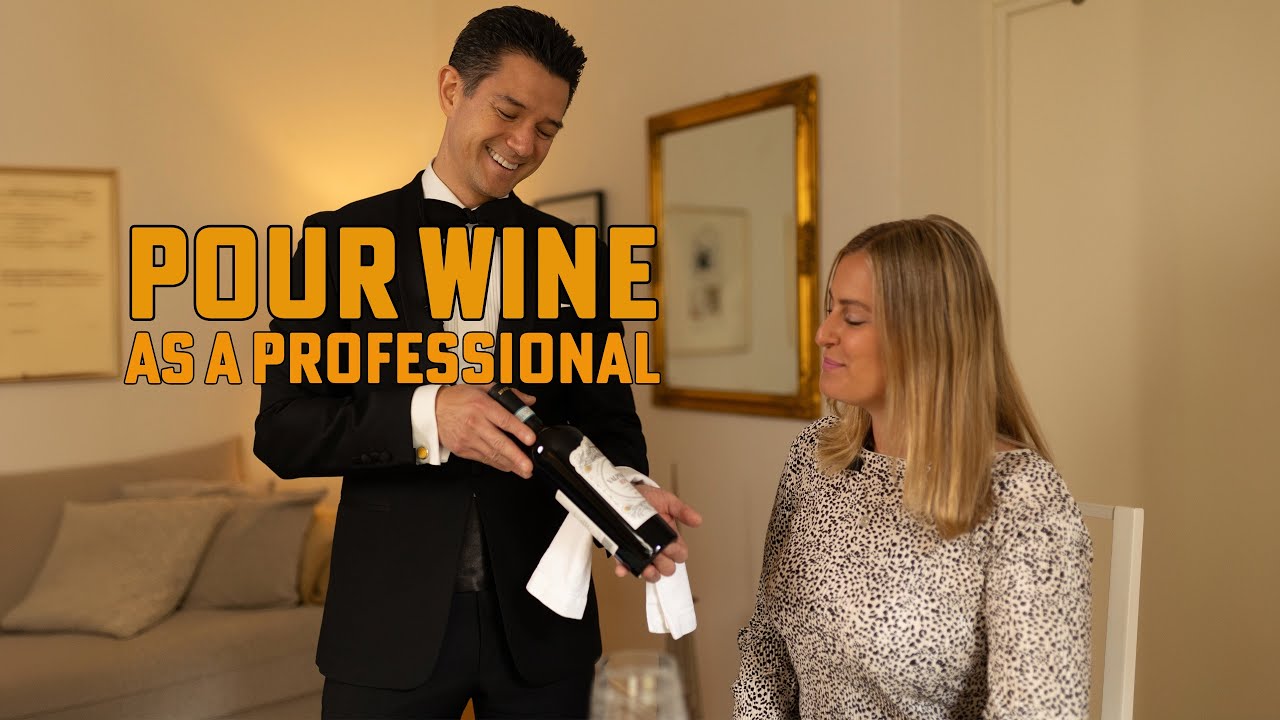
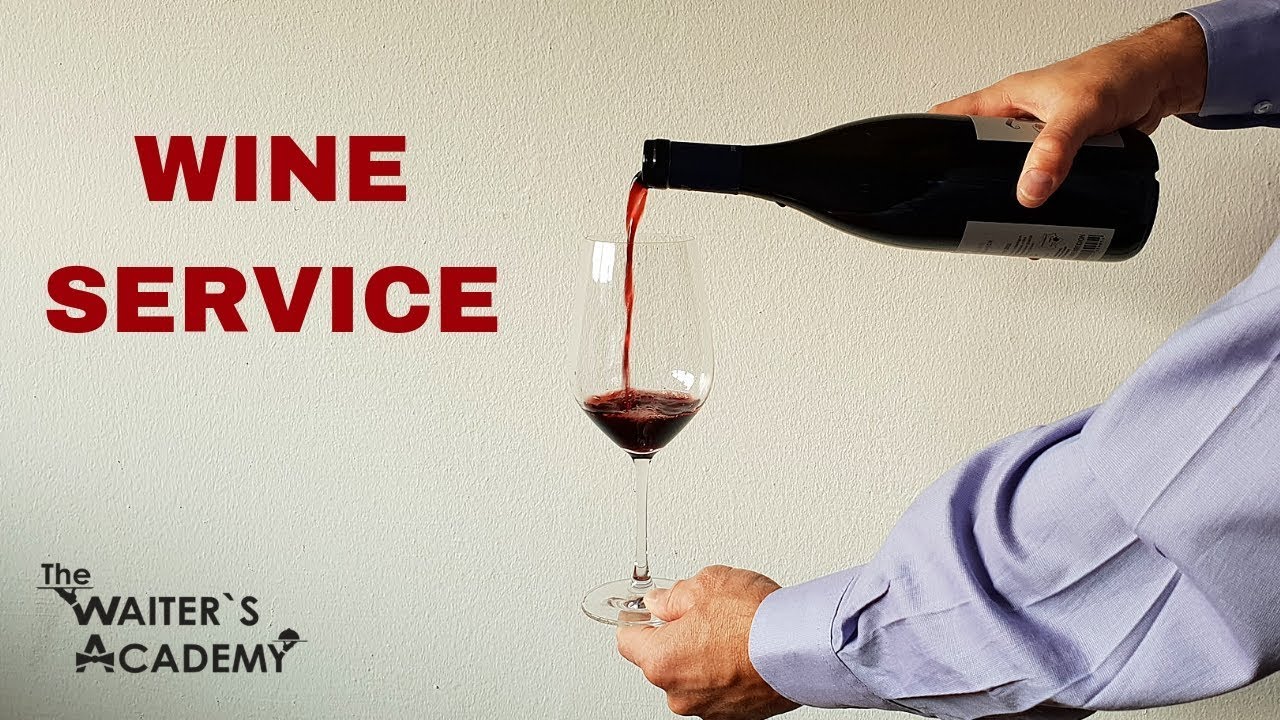
Hold the bottle by the lower third: When serving wine, hold the bottle by the lower third to give you better control over the flow of the wine.
Wipe the bottle: Before pouring the wine, use a clean cloth to wipe any dust or dirt off the bottle. This will prevent any debris from getting into the wine.
Pour slowly: When pouring the wine, pour slowly and steadily to avoid splashing or spilling. This will also allow the wine to breathe and release its flavors and aromas.
Don’t overpour: The amount of wine to pour into a glass will depend on the size and shape of the glass. As a general rule, fill the glass no more than one-third full to allow room for swirling and sniffing.
Hold the glass by the stem: When presenting the wine to the guest, hold the glass by the stem to avoid warming the wine with your hands.
Place the bottle close to the guest: After pouring the wine, place the bottle next to the guest for inspection. This allows the guest to inspect any detail about the wine.
Decanting and Aerating:
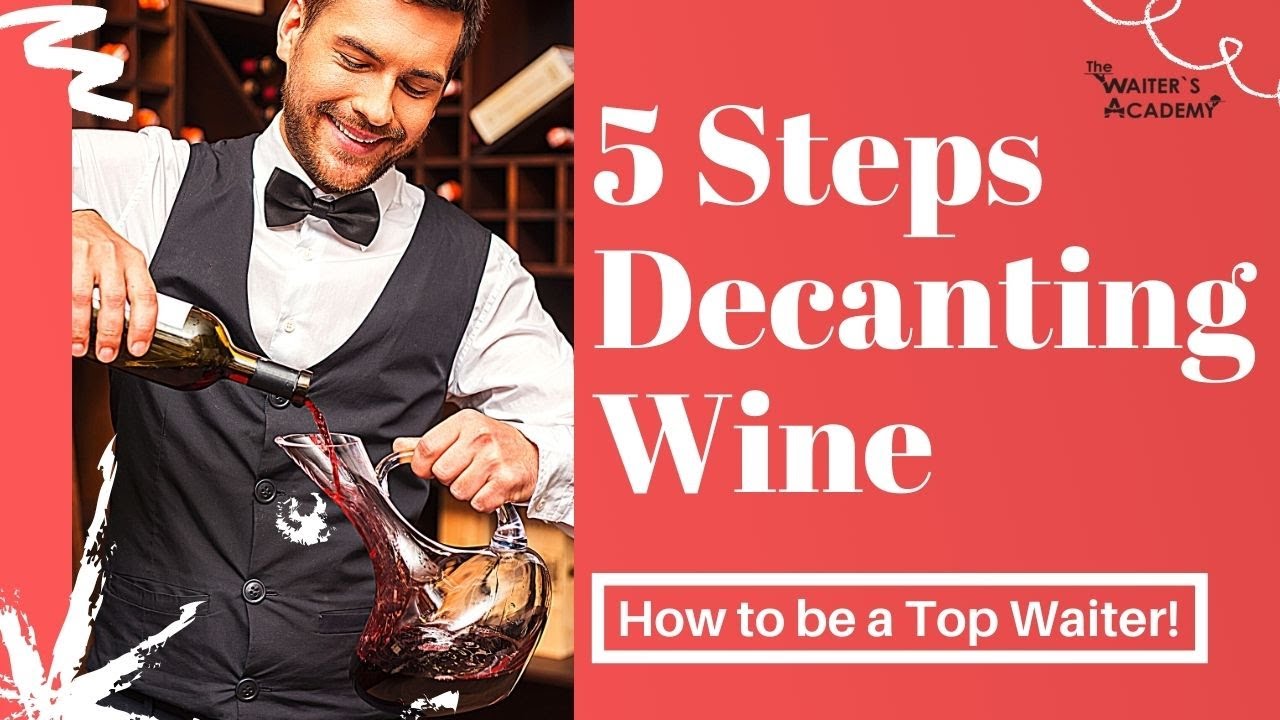
Decanting is the process of transferring a wine from its original bottle to another container, typically a decanter. The purpose of decanting is to separate the wine from any sediment that may have formed in the bottle, which can negatively affect the wine’s flavor and texture. Decanting also allows the wine to breathe, which can enhance its aromas and flavors. Decanting is essential for older wines that have been aged in the bottle for a long time. During the aging process, sediments can form in the wine, and decanting is necessary to remove them before serving. Decanting is also recommended for younger, full-bodied wines, as it can help open up their aromas and flavors.
Aerating, on the other hand, is the process of exposing the wine to air to enhance its aromas and flavors. This can be done by swirling the wine in the glass, using a decanter with a wide base to allow for more oxygen exposure, or using a specialized wine aerator tool. Aerating is typically done for younger, tannic red wines that may benefit from the softening effect of oxygen exposure.
In summary, decanting is important for removing sediment and allowing the wine to breathe, while aerating is primarily for enhancing the aromas and flavors of younger, tannic red wines. Both processes can improve the overall drinking experience of wine, but it’s important to know when and why to use them.
Доступные форматы для скачивания:
Скачать видео mp4
-
Информация по загрузке: