Qur’anic Eloquence: Verbs vs Nouns | Dr. Fāḍil al-Samarra’ī | Ep. 9|
Автор: HOPE
Загружено: 2026-01-16
Просмотров: 47
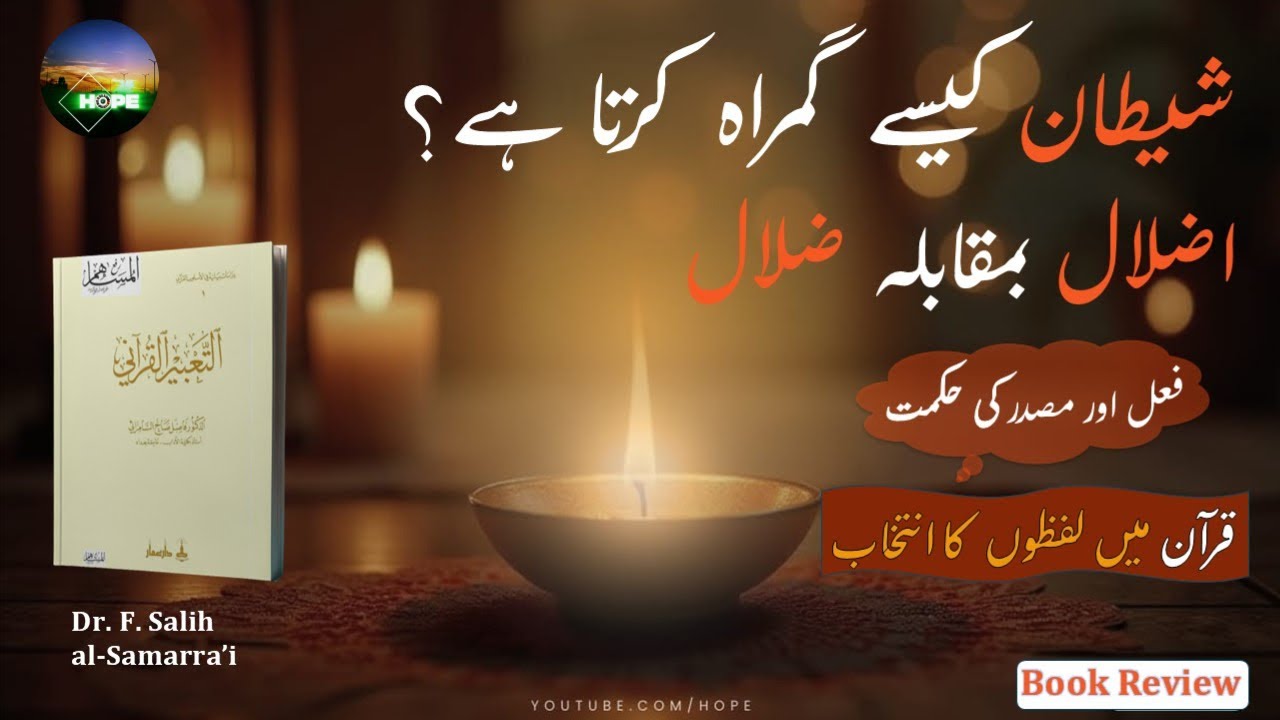
Discover the linguistic miracle of the Qur’an through At-Ta’bīr al-Qur’ānī by Dr. Fāḍil al-Samarra’ī.
In this episode, we explore how the Qur’an deliberately uses verbs and nouns to convey precise meanings, revealing divine wisdom and unmatched eloquence.
Dr. al-Samarra’i draws our attention to a profound example: when the Qur’an speaks of patience, words spoken on the tongue of Yaʿqūb (peace be upon him). Here, ṣabrٌ (patience) comes in the nominative form, as if Yaʿqūb is declaring: “My patience itself is beautiful.” Not “I will be patient”— for that would be an action bound by time, a patience that begins… and might end.
But this patience has no horizon. No deadline. No visible conclusion.
It is patience that may stretch across a lifetime—a settled state of surrender and trust in Allah.
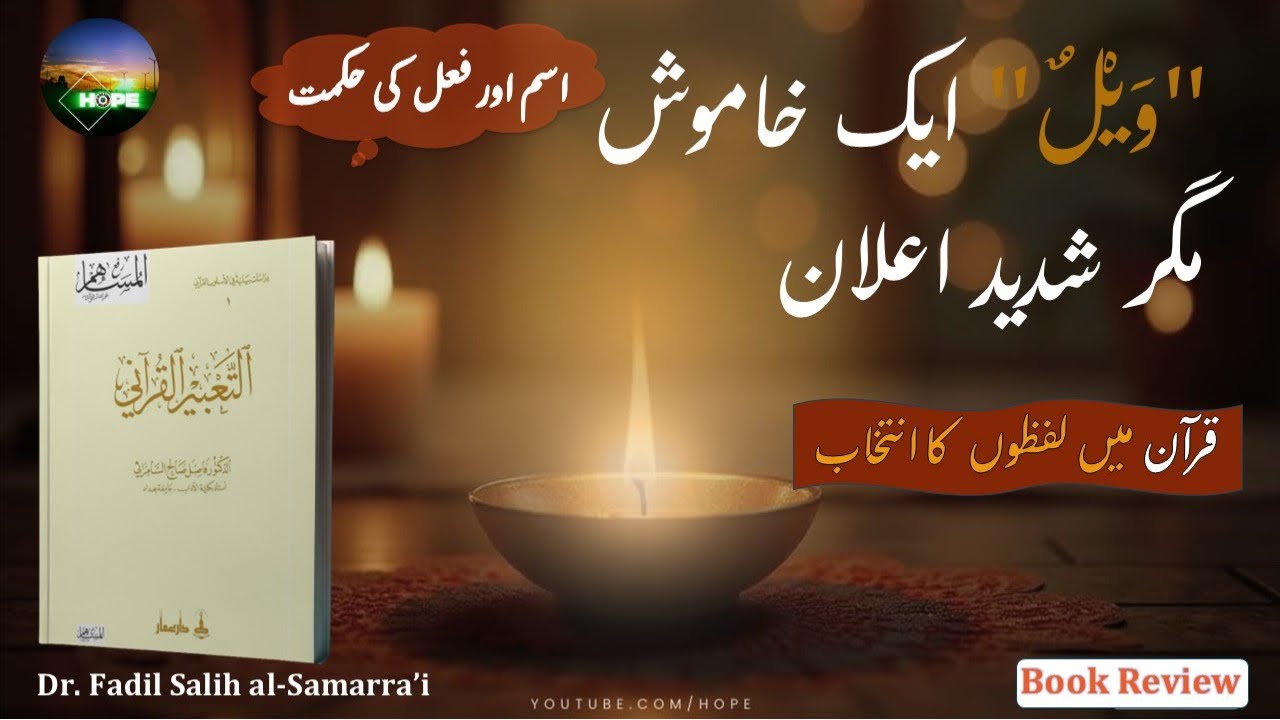
Dr. al-Samarra’i again draws our attention to a verse from Surah Al-Humazah and inquire why does the Qur’an say وَيْلٌ (waylun)—
in the nominative case—(Marfūʿ) and not وَيْلًا (waylan) in the accusative? (Manṣūb). Because waylun is not a momentary warning. It is a declaration.
It signals certainty, permanence, established doom. It tells us that the consequence is not passing—but fixed, settled, and inevitable.
Had it been waylan, the meaning would shift toward an act of punishment unfolding in time. But the Qur’an intends something far heavier:
a state already sealed.
🌿 Join us on HOPE as we reflect on the miracle of the Qur’an—one expression at a time.
#QuranicArabic #QuranLinguistics #AtTabeerAlQurani #DrFadilAlSamarrai
#QuranicWisdom #QuranReflection #quranmiracle
#VerbsAndNouns #ArabicBalagha #TadabburQuran
#IslamicKnowledge #IslamicReminder #hope
Доступные форматы для скачивания:
Скачать видео mp4
-
Информация по загрузке: