Piano Sonata No.3 in F major - E.T.A. Hoffmann
Автор: Sergio Cánovas
Загружено: 2018-12-22
Просмотров: 892
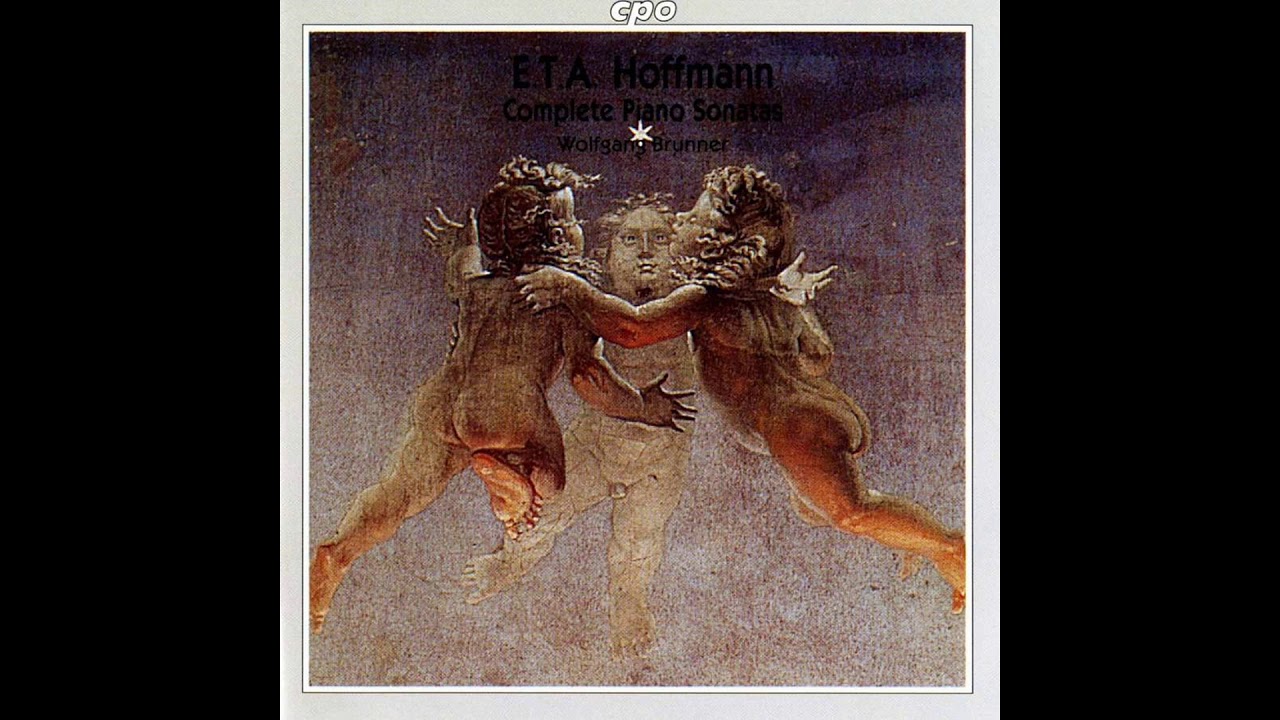
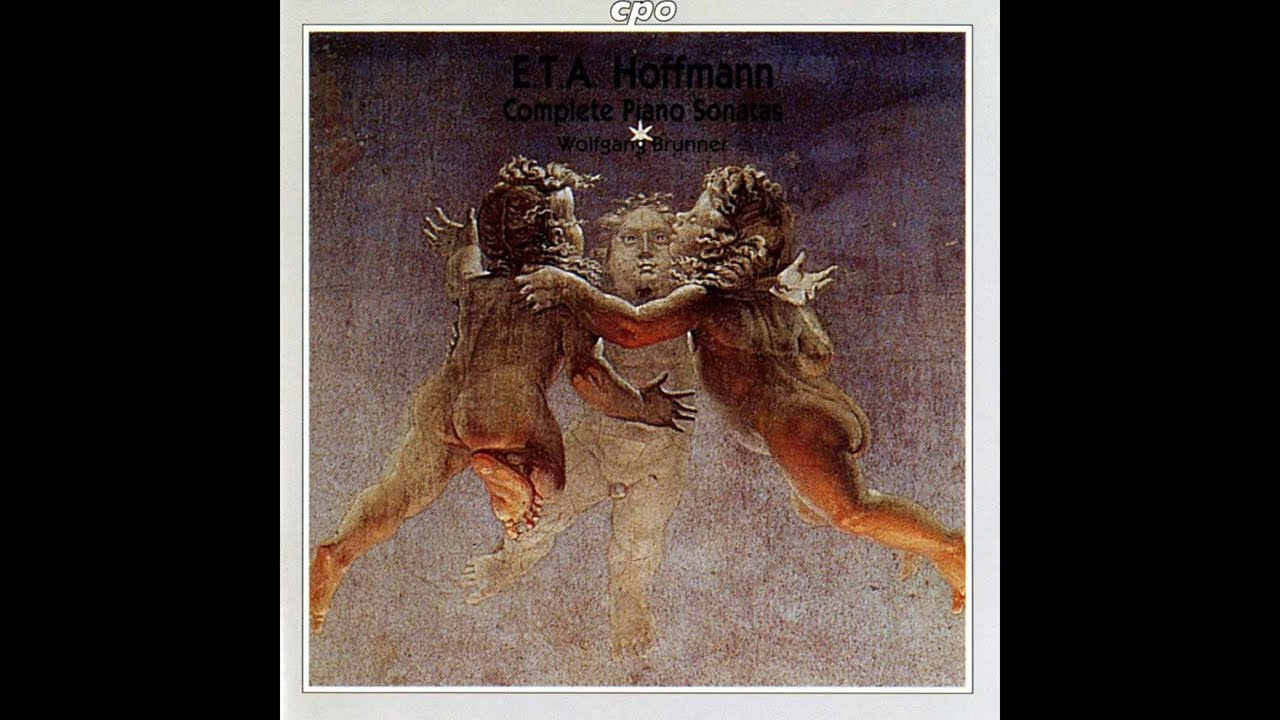
Performed by Wolfgang Brunner.
I - Allegro maestoso - (attacca): 0:00
II - Andante un poco adagio - (attacca): 4:44
III - Tempo primo: 11:45
Hoffmann's Piano Sonata No.3 was composed around 1805-7, after a call for scores from Zurich music publisher Hans Georg Nägeli. However, the piece was rejected, along with the rest of Hoffmann's sonatas. The composer attempted to met Nägeli's demand of departure from the traditional sonata form as well as contrapuntal mastery. Other publishing houses also rejected the score, not being finally published until 1922, a century after Hoffmann's death.
When Hoffmann’s musical works were finally exhumed and examined in the early 20th century, researchers were disappointed that his music did not contain any of the grotesqueries or ironic humour of his famous tales; but some of it has turned out to be very solidly written and worthy of performance, as seen in Hoffmann's piano sonatas. Despite Hoffmann’s lifelong adoration of Mozart (he even legally changed his third name from Wilhelm to Amadeus in honour of his idol), in these piano sonatas the language spoken is halfway towards Beethoven. It should also not surprise us, considering his love of Mozart’s formality, that although the emotional content of the sonatas is close to Beethoven, these works also mirror the structure of Mozart. The result is a constant and fascinating tug-of-war between very Classical design and Romantic harmonies.
The first movement is structured as a prelude and fugue. It begins with a short but majestic introduction, before giving way to an ambitious and audacious fugue on a rhythmic theme. After reaching a dramatic climax, the introduction reappears as a transition that directly leads us to the next part.
The second movement is written in a free form. It opens with an expressive and lyrical main theme, reminiscent of Beethoven. It unfolds almost like a fantasy, reaching a central climax. A series of dramatic modulations is followed by a more active passage. Finally, a dramatic transition, based on the main theme, leads us to the next part. The third movement opens with the introductory chords of the piece, followed by a brilliant recapitulation of the rhythmic theme of the first movement. A final reappearance of the introductory material ends the sonata.
Musical analysis partially written by myself. Source: https://tinyurl.com/29rgxqm4
To check the score: https://tinyurl.com/2cfrpb77
Доступные форматы для скачивания:
Скачать видео mp4
-
Информация по загрузке: