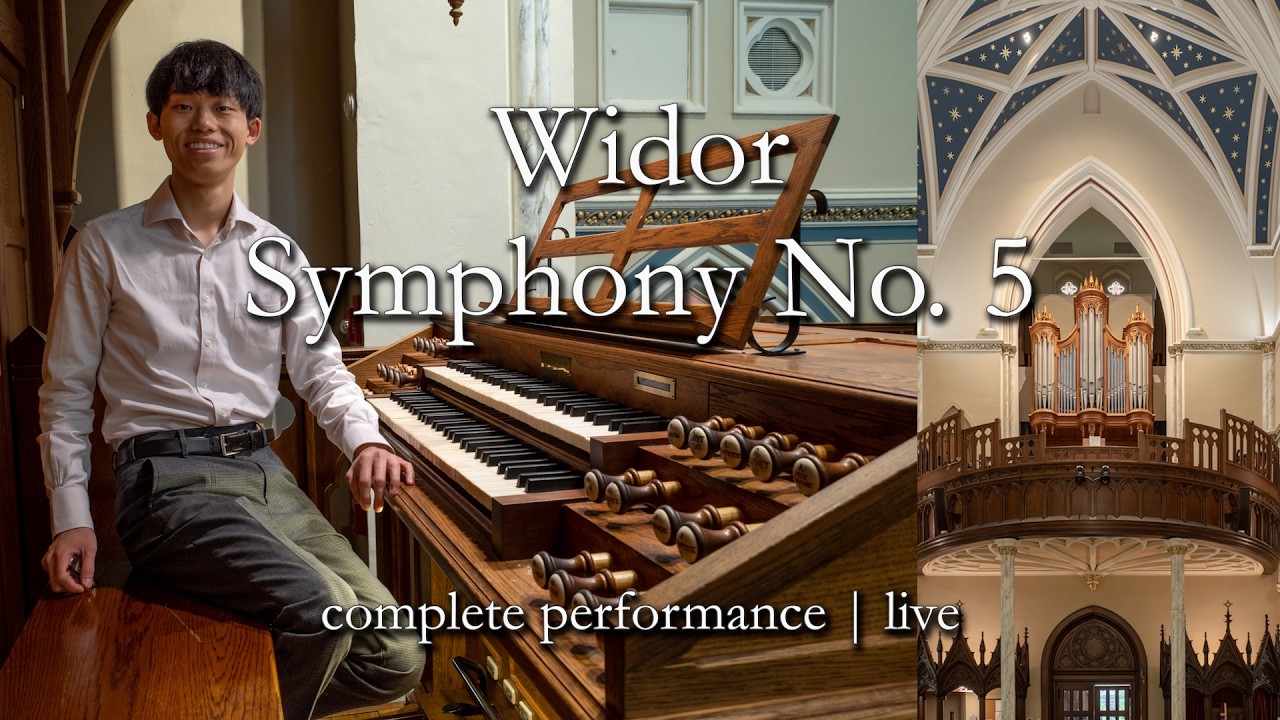
Charles-Marie Widor: Symphonie Nr. 5 - Hans Uwe Hielscher an der Orgel der Marktkirche Wiesbaden
Автор: Hans Uwe Hielscher
Загружено: 2022-01-22
Просмотров: 6020
Charles-Marie Widor (1844-1937): Symphonie Nr. 5 in f-Moll op. 42 Nr. 1
00:00 Allegro vivace
11:43 Allegro cantabile
18:54 Andantino quasi allegretto
25:50 Adagio
30:27 Toccata
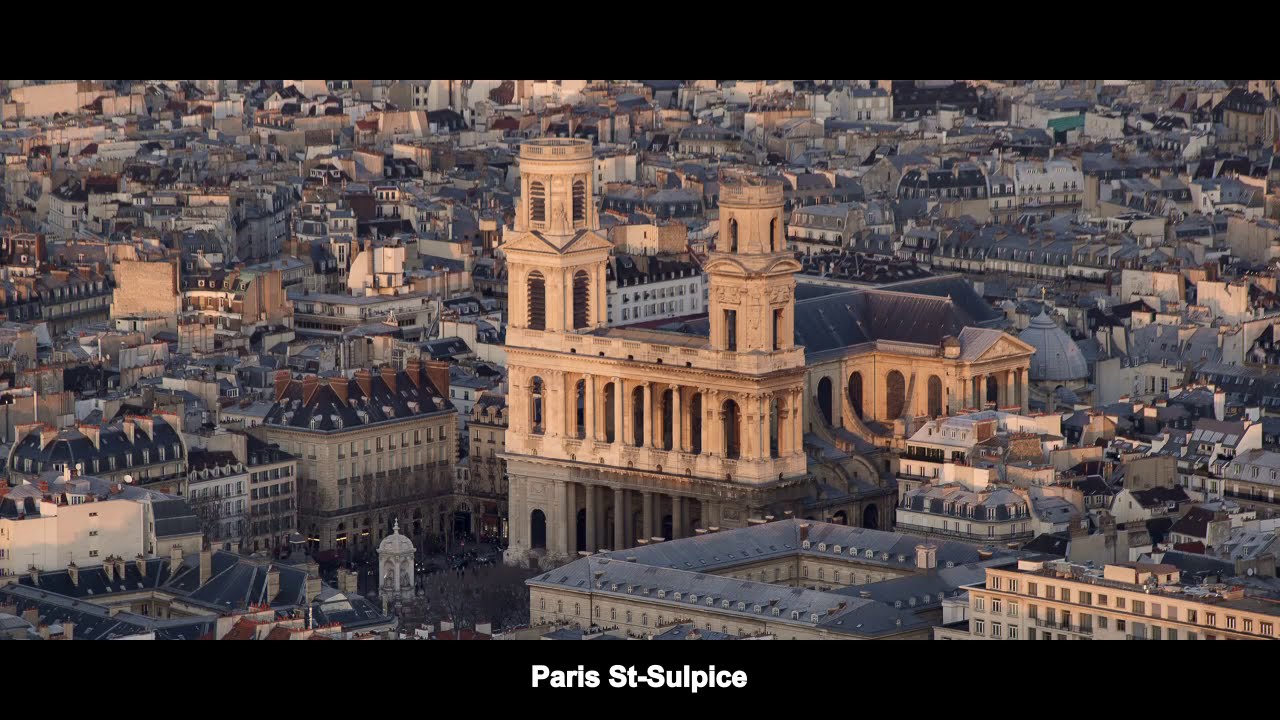
Mit seinen zehn Orgelsymphonien, seiner jahrzehntelangen Lehrtätigkeit und seiner 64jährigen Amtszeit als Organist an St-Sulpice in Paris gehört Widor zu den Begründern der symphonischen Orgelschule Frankreichs im 19. Jahrhundert. Er schrieb seine 5. Orgelsymphonie 1878-79. Die Uraufführung der kompletten Symphonie fand am 16. Dezember 1880 statt, bei einem Konzert zur Einweihung der neuen Cavaillé-Coll-Orgel in Saint-François-de-Sales in Lyon, wo Widors Vater Titularorganist war.
Der erste Satz „Allegro vivace“ ist als Variationssatz angelegt, kombiniert mit einem Durchführungsteil. Zu Beginn wird das 32-taktige Thema vorgestellt, mündend in einen kurzen, achttaktigen Schlusssatz. Das Thema wird dann dreimal variiert. Nach einem freien, choralartigen Zwischenspiel folgt ein Scherzando, in dem das Thema nun im Sinne einer wahrhaft symphonischen Durchführung entwickelt wird.
Im „Allegro cantabile“ folgt auf eine kurze einstimmige Einleitung eine anmutige, von gebrochenen Akkorden begleitete Melodie der Hautbois. Im weiteren Verlauf tritt die Flûte 8’ in einen Dialog mit der Hautbois. Durch das gleichzeitige Spiel der rechten Hand auf Récit und Positif erzielt Widor im weiteren Verlauf reizvolle klangliche Effekte. Im ruhigen Mittelteil erklingen lyrische Flötensoli über gehaltenen Klängen der Voix céleste. Nach einer überleitenden Passage mit fließenden Arpeggien schließt der Satz mit einer verkürzten Reprise des ersten Teils.
Das „Andantino quasi allegretto“ übernimmt hier die Funktion des Menuetts bzw. Scherzos. Auf ein einleitendes Pedalsolo folgt ein choralartiger Abschnitt. Der auf ostinaten Pizzicato-Bässen gründende Mittelteil wird zweimal zu einem dynamischen Höhepunkt geführt. In der Reprise begleiten fließende Triolen- bzw. Sextolenpassagen das Pedalthema des Anfangs. Mit einer ruhigen Coda, in der Motive aus dem Pedalthema und dem choralartigen Abschnitt zu hören sind, endet dieser Satz.
Im meditativen „Adagio“ erklingt die von der Voix céleste begleitete Solo-Melodie in der Tenorlage, gespielt mit der Flûte 4’ des Pedals. Den Mittelteil bildet ein Abschnitt in As-Dur, in dem der Satz durch den Einsatz von Chromatik an Spannung gewinnt. Gegen Ende des Stücks wird die Pedalstimme durch die Hinzufügung von 8’- und 16’-Registern zur Bassstimme.
In der abschließenden „Toccata“ tritt zu einer bewegten Manual-Figuration eine einfache Pedal-Melodie. Dieses Stück wurde zum beispielhaften Muster für die französische „Orgeltoccata“ und beeinflusste zahlreiche Komponisten. Die Wiederaufnahme des Fortissimo-Themas nach dem Pianissimo-Mittelteil ist von großartiger Wirkung, der sich Spieler wie Hörer nur schwerlich entziehen können.
-------------------
Charles-Marie Widor (1844-1937): Symphony No. 5 in F-minor Op. 42 No. 1
00:00 Allegro vivace
11:43 Allegro cantabile
18:54 Andantino quasi allegretto
25:50 Adagio
30:27 Toccata
With his ten organ symphonies, decades of teaching experience and his 64-year term as Organist at Saint-Sulpice in Paris, Widor is among the founders of the Symphonic Organ School in 19th-century France. He composed his 5th Symphony in 1878/79. The first public performance of the complete symphony took place on 16 December 1880 at a concert inaugurating the new Cavaillé-Coll organ at Saint-François-de-Sales in Lyon.
„Allegro vivace“: variation movement combined with a development section. After the main theme is introduced, it is varied three times, followed by an interlude and Scherzando.
„Allegro cantabile“: a short monophonic introduction is followed by a graceful melody of the Hautbois. Subsequently, the Flûte 8’ enters into a dialog with the Hautbois; delightful tonal effects by means of the r. h. playing simultaneously on Récit and Positif. Calm middle section with lyrical flute solos over chords of the Voix céleste. After a passage with flowing arpeggios, the movement closes with a shortened recapitulation of the first part.
„Andantino quasi allegretto“: An introductory pedal solo is followed by a chorale-like section. The middle section, based on ostinato pizzicato basses, is twice led up to a dynamic climax. In the recapitulation, flowing triplet and sextuplet passages accompany the pedal theme of the opening. Tranquil coda with motives from the pedal theme and the chorale section.
Meditative „Adagio“ with the solo melody in the tenor voice, the middle section gains tension through chromaticism.
„Toccata“: with a lively figuration on the manuals, paired with a simply structured pedal melody. This piece became an exemplary model for the French “organ toccata” and influenced numerous composers. The return of the fortissimo theme after the pianissimo middle section creates a magnificent effect that would be difficult for both players and listeners to withstand.

Доступные форматы для скачивания:
Скачать видео mp4
-
Информация по загрузке: