The history and folklore surrounding snakes Kerala
Автор: Snakes
Загружено: 2024-08-27
Просмотров: 260
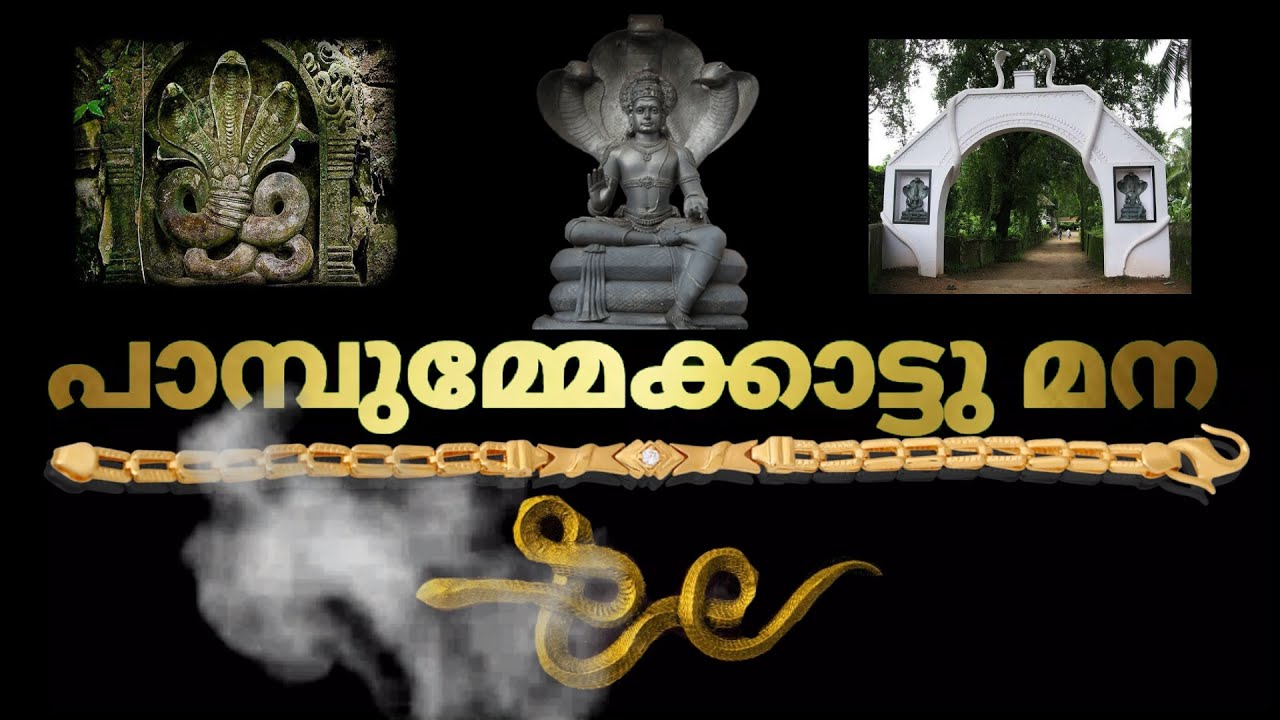
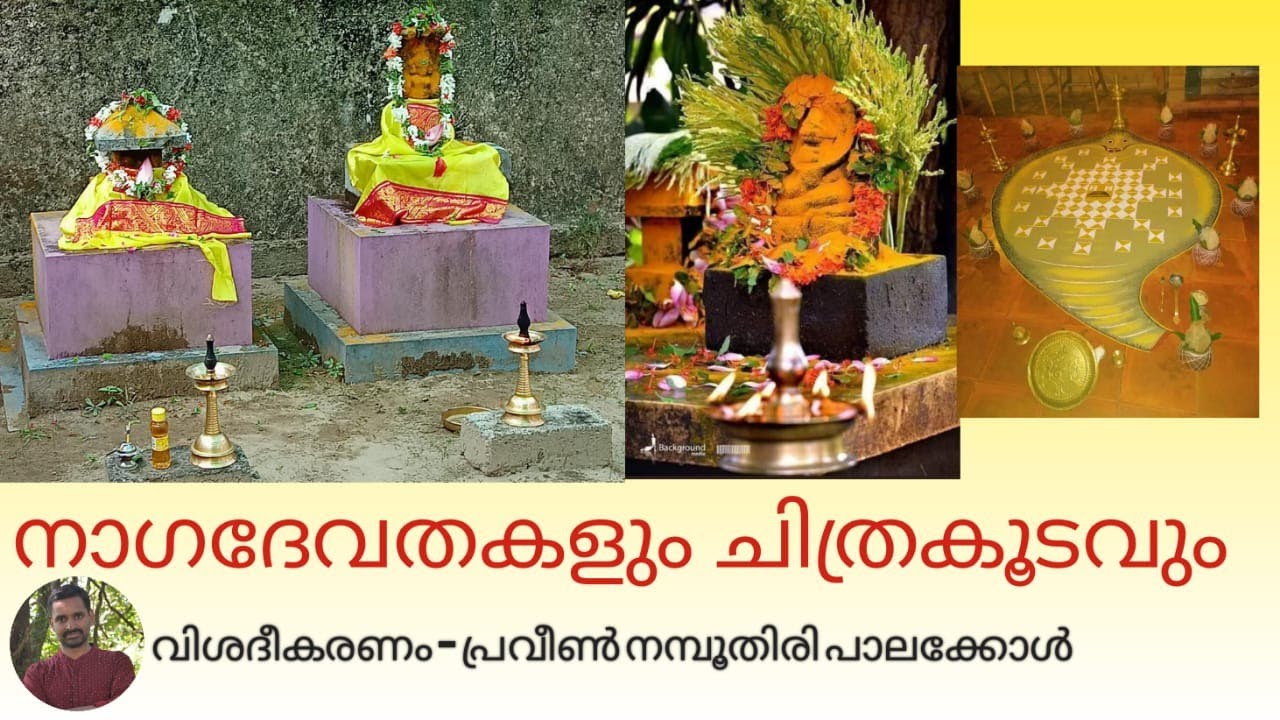
The history and folklore surrounding snakes in Kerala are rich and diverse, deeply rooted in the state’s religious, cultural, and environmental traditions. Snakes, particularly cobras, hold a significant place in the spiritual and cultural life of the people of Kerala. The worship of snakes, known as **Sarpa Kavu**, and the associated rituals and stories, reflect the reverence for nature and the ancient traditions of the land.
1. *Sarpa Kavu (Sacred Snake Groves):*
Sarpa Kavu refers to traditional sacred groves dedicated to the worship of snakes, primarily found in Kerala. These groves are often small patches of forest near homes or temples where cobras and other snakes are believed to reside. The belief is that these groves are the dwelling places of snake gods, and they are preserved as sacred spaces where human interference is minimal.
The tradition of maintaining Sarpa Kavu is rooted in Kerala’s ancient practices of nature worship, which emphasize the protection of biodiversity and ecosystems. The presence of these groves has historically helped conserve a variety of flora and fauna. People perform rituals, including offerings of milk, turmeric, and flowers, to appease the snake gods, ensuring the well-being of families and communities.
2. *The Legend of Parayi Petta Panthirukulam:*
A well-known legend in Kerala revolves around the story of a woman named Parayi, who gave birth to twelve children, each of whom went on to have unique destinies. One of her sons, **Nagayakshi**, was a serpent goddess. This tale intertwines the themes of divine power and the connection between humans and snakes. Nagayakshi is worshipped in many temples, and her legend is an integral part of the snake-worshipping traditions in Kerala.
3. *The Myth of Mannarasala Temple:*
The *Mannarasala Sree Nagaraja Temple* is one of the most famous snake temples in Kerala, located in Haripad. The temple is dedicated to Nagaraja, the king of serpents, and it is said to be the abode of over 30,000 snakes. According to legend, the temple was established by Parasurama, an incarnation of Lord Vishnu, who created Kerala by reclaiming land from the sea.
The temple’s history is intertwined with the story of a Brahmin couple who performed penance to please Nagaraja, seeking blessings for a child. Nagaraja appeared to them and granted their wish, but the child born was a serpent. The temple is believed to have been established in his honor. Devotees visit Mannarasala to seek relief from snake-related fears, curses (Sarpa Dosha), and to fulfill various other vows.
4. *Nag Panchami and Aayilyam Festival:*
The festival of *Nag Panchami* is celebrated in Kerala with great devotion, during which people worship snakes and perform rituals to appease snake deities. The *Aayilyam* festival, held in various temples like Mannarasala, is another major event where special poojas (rituals) and ceremonies are conducted. The festival is observed in the Malayalam months of Kanni and Thulam (September to November), and it includes rituals such as Noorum Palum (offering milk and turmeric) to snake idols.
5. *Snakes in Ancient Kerala Texts and Arts:*
Snakes are frequently depicted in Kerala’s ancient literature, performing arts, and architecture. They are often featured in *Kathakali* dance dramas and mural paintings that portray stories from the Puranas and other Hindu epics. In these narratives, serpents symbolize fertility, protection, and divine power.
6. *Kavu Theendal and Its Decline:*
Historically, the practice of *Kavu Theendal* involved the annual cleansing of the Sarpa Kavu, during which rituals were conducted to please the snake deities. However, with urbanization and deforestation, many of these groves have been lost, leading to concerns about the ecological and spiritual consequences. Efforts have been made to revive and protect these sacred spaces as part of Kerala’s environmental and cultural heritage.
Conclusion:
The history of snake worship in Kerala is a blend of mythology, ecology, and spirituality. Snakes, seen as both protectors and powerful beings, are central to the cultural identity of Kerala. The state’s rich traditions of Sarpa Kavu, legendary tales, temples like Mannarasala, and festivals like Aayilyam illustrate the enduring connection between the people and the serpents they revere. Even today, snake worship continues to play a vital role in preserving both cultural practices and ecological balance in the region.

Доступные форматы для скачивания:
Скачать видео mp4
-
Информация по загрузке: