The Psychology of the Invisible Child
Автор: Silent Psychology
Загружено: 2026-01-07
Просмотров: 126
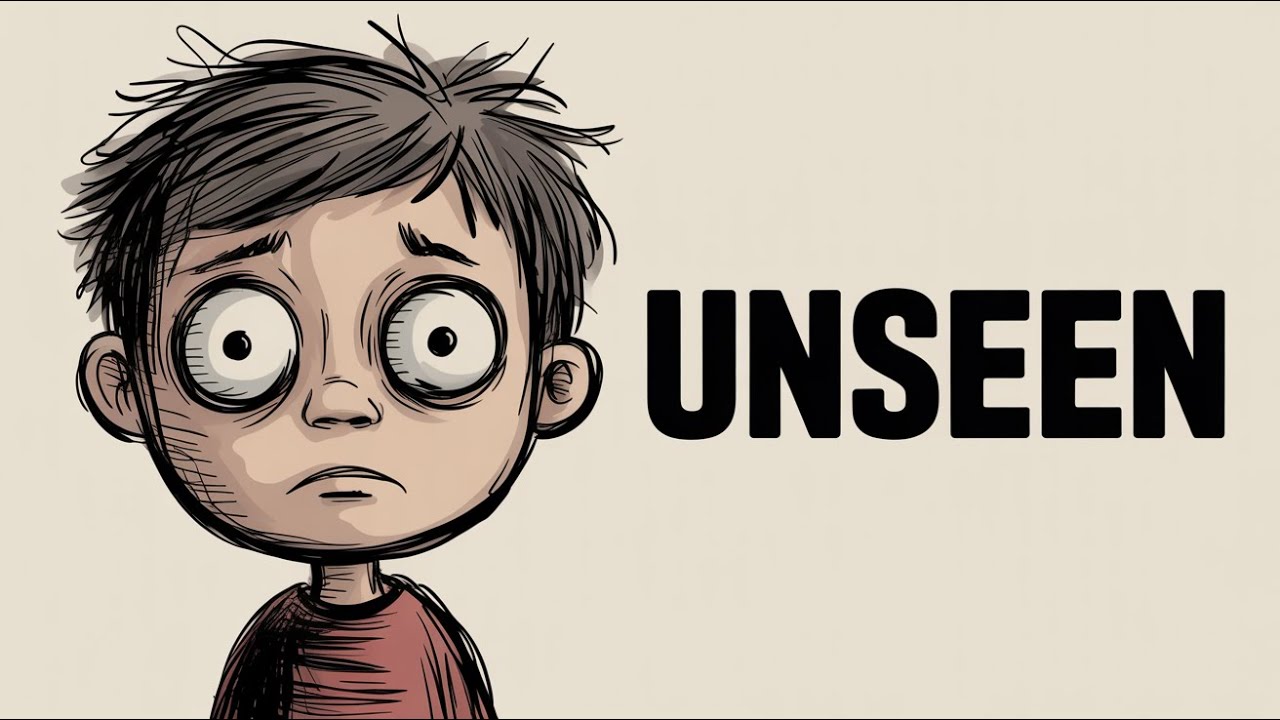
The Psychology of the Invisible Child
Have you ever noticed a child who stops asking for attention because it never comes?
The one who learns early that staying quiet is safer than being disappointed.
For many children, being ignored isn’t dramatic or obvious—it’s subtle, repetitive, and deeply confusing.
The invisible child isn’t always neglected through cruelty. More often, it happens through distraction, emotional absence, or caregivers overwhelmed by life. Missed moments, unanswered emotions, and unspoken needs slowly teach the child an unspoken lesson: “My presence doesn’t matter.” Over time, this belief becomes part of their identity.
From a psychological perspective, emotional neglect shapes the developing brain. Without consistent acknowledgment, children adapt by minimizing their needs, becoming hyper-independent, or striving to be “easy” and unnoticed. While these adaptations help them survive childhood, they often follow them into adulthood as anxiety, people-pleasing, difficulty trusting others, or a persistent sense of emptiness.
Unlike physical neglect, emotional neglect leaves no visible evidence. Yet its impact can be profound—affecting self-worth, relationships, and emotional regulation for decades. Many adults who were invisible children struggle to feel truly seen, even in loving relationships, because their nervous system learned early to expect absence.
Healing begins with awareness. Recognizing that what you experienced was real—and that your needs were valid—is a powerful first step. By learning to acknowledge yourself, set boundaries, and give voice to emotions that were once silenced, it’s possible to gently rewire these early patterns.
The invisible child often grows into an adult with deep empathy, sensitivity, and resilience. When healing occurs, that same child becomes someone who notices others, listens deeply, and refuses to pass on the silence they once endured. In breaking that cycle, they reclaim not only their visibility—but their sense of worth.
#ChildhoodNeglect #EmotionalNeglect #IgnoredChild #ChildhoodTrauma #InvisibleWounds #HealingTrauma #PsychologyOfNeglect #AttachmentTheory #SelfEsteem #MentalHealth #InnerChildHealing #RelationshipIssues #Parenting #DevelopmentalPsychology #Resilience #YouMatter
Доступные форматы для скачивания:
Скачать видео mp4
-
Информация по загрузке: