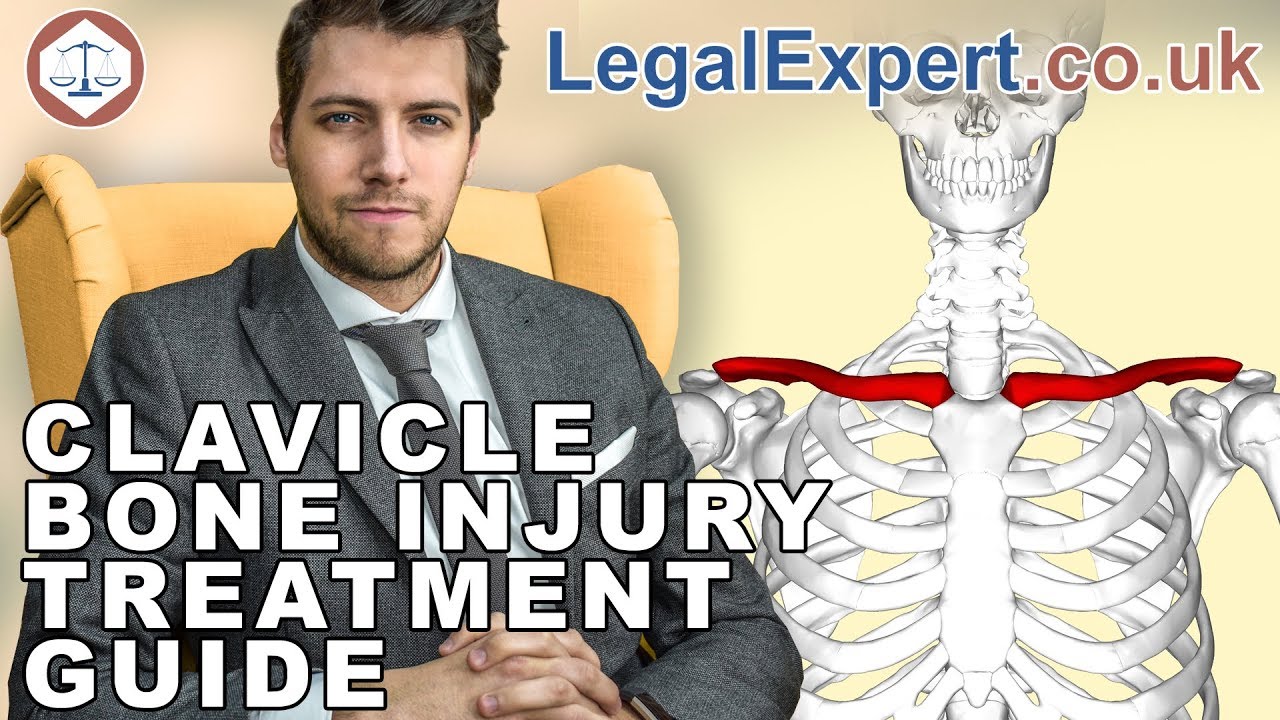
Clavicle Bone Injury Treatment Guide ( 2021 ) UK
Автор: Legal Expert
Загружено: 2019-07-17
Просмотров: 592
Clavicle Bone Injury Treatment Guide ( 2021 ) UK
FREE LEGAL ADVICE - https://legalexpert.co.uk/
To see if you have a valid claim call - 0800 652 7676
If you’ve sustained a Clavicle bone injury following an accident that wasn’t your fault but was down to the negligence of others, you should bear in mind that you may be entitled to compensation. In order to bring a claim for compensation, we recommend that you speak to a personal injury claims specialist that has experience in dealing with Clavicle bone injury claims. You may qualify for free, private treatment if the accident which resulted in your injury was down to the negligence of others by bringing a claim for compensation. You won’t be expected to pay anything upfront and we’ll ensure that all costs are covered if you decide to bring a claim with us. So call 0800 652 7676 in order to find out if you’re eligible or visit our around the clock live chat service at legalexpert.co.uk – we’re open 24 hours a day, 7 days a week so you can speak to us whenever you’d like. We’ll be happy to help you calculate how much you may get in a broken clavicle settlement by looking at the amount of the average settlement for broken collarbone uk.
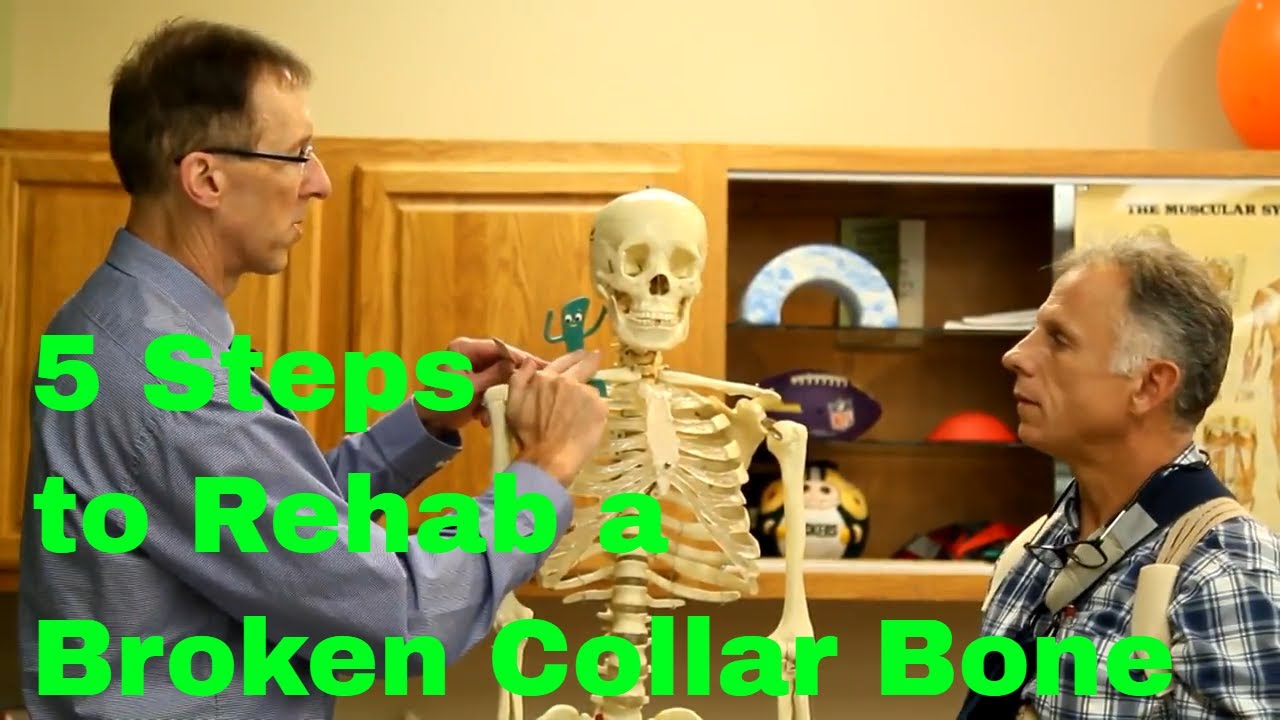
In terms of broken collarbone recovery time in adults, according the NHS.uk it takes about 6-8 weeks to heal and 2-6 weeks in children. They recommend that you should seek medical assistance by seeing your GP straight away if you’ve injured your collarbone. If they think that it’s fractured, they’ll refer you for an x-ray to confirm the injury and have it treated with a sling and brace. If the injury is sevre or you cannot see your GP, NHS.uk recommends that you go straight to your nearest a&E department. Whilst you’re waiting to see a doctor, stabilise your arm using a towel as a sling – this goes under the forearm and then around the neck. Try to move your arm as little as possible.
Over-the-counter painkillers, such as paracetamol or ibuprofen, can help reduce the pain. Don't give aspirin to children under the age of 16.
Holding an ice pack to the injured area can also help reduce the pain and swelling. A bag of frozen peas wrapped in a tea towel works well. Avoid applying ice directly to the skin because it can burn.
As listed on NHS.uk, here are some possible broken collarbone symptoms;
• swelling or tenderness around the injured area.
• bruising to the skin.
• bleeding if the bone has damaged the tissue and skin (this is rare).
• numbness or pins and needles if nerves in the arm are injured.
Your shoulder may be slumped downwards and forwards under the weight of the arm as the broken collarbone is no longer providing support. In terms of treating a broken collarbone, most broken collarbone injuries heal naturally with just the assist of a triangular sling to support the arm and hold the bones together in their normal position. NHS.uk states that “The sling is usually fitted in hospital after an X-ray has confirmed the collarbone is broken. You'll be given painkillers to relieve the pain. Surgery under a general anaesthetic is only needed if the injury is severe – for example, where the bone has broken through the skin – or if the bones have failed to line up and are overlapping significantly.
Several techniques can be used to repair the collarbone. Fixing the break with a plate and screws is the most common method. Your surgeon will explain the technique they're going to use and its advantages and disadvantages.”
Before you leave hospital, you may need to see a physiotherapist who can give you broken collarbone recovery tips and show you some gentle arm and shoulder exercises to do with a broken collarbone which should assist in reducing stiffness, reliving some of the pain and strengthening your shoulder muscles during recovery. Once you’ve been discharged from hospital, you may need to go back for a follow-up about a week after to check your collarbone is healing properly. If you have any concerns in the meantime, you should see your GP and if you notice any weakness developing in your arm or hand or the broken collarbone pain level suddenly increases, the NHS recommends that you visit A&E.
In terms of recovery advice, the NHS recommends that you could try the following;
• use extra pillows at night to keep yourself more upright if you find sleeping uncomfortable.
• use ice packs and painkillers if pain and swelling continues while your arm is in a sling.
• move your elbow, hand and fingers regularly as soon as it's comfortable to do so.
• when you think the fracture has started to heal, remove the sling for short periods of time if it isn't too painful.
• don't play contact sports for at least 10-12 weeks after the injury – your doctor will tell you when you can go back to work and resume normal activities.
Доступные форматы для скачивания:
Скачать видео mp4
-
Информация по загрузке: