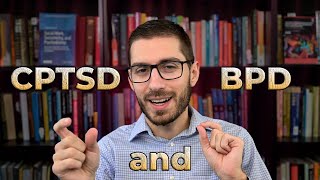
How to Know If You Have C-PTSD: Understanding Complex Trauma
Автор: Silent Mind
Загружено: 2025-09-21
Просмотров: 108
#cptsd #mentalhealth #complexptsd
How to Know If You Have C-PTSD: Understanding Complex Trauma
Are you feeling overwhelmed by past experiences? Do you find yourself struggling with relationships and emotional regulation in ways that feel confusing and frustrating? You might be experiencing symptoms of C-PTSD, or Complex Post-Traumatic Stress Disorder. While many people are familiar with PTSD, C-PTSD is a distinct condition that arises from prolonged, repeated trauma, often in childhood. This video will help you understand the key differences and identify the core signs of C-PTSD.
What is C-PTSD?
Unlike PTSD, which typically stems from a single traumatic event like a car accident or a natural disaster, C-PTSD develops from ongoing, inescapable trauma. This can include chronic child abuse, neglect, domestic violence, or being held captive. The key is the repetitive nature of the trauma, which can fundamentally alter a person's development and worldview.
Recognizing the Signs and Symptoms
The symptoms of C-PTSD are broader and more pervasive than those of PTSD. While both conditions involve re-experiencing trauma and hypervigilance, C-PTSD includes a unique set of symptoms related to identity, emotion, and relationships.
1. **Emotional Dysregulation**: Do you have intense mood swings? One moment you might feel fine, and the next you're plunged into deep sadness or explosive anger. This is a hallmark of C-PTSD. Survivors often struggle to manage their emotions, leading to frequent outbursts or emotional numbness.
2. **Distorted Self-Perception**: C-PTSD can lead to a deeply ingrained sense of worthlessness, shame, and guilt. You might feel fundamentally flawed or broken. This is not just low self-esteem; it's a profound feeling that you are a bad person because of what happened to you.
3. **Relationship Difficulties**: Many with C-PTSD find it hard to form and maintain healthy relationships. You might struggle with trust, fear abandonment, or be drawn into unhealthy, codependent dynamics. The trauma has conditioned you to be wary of others, making intimacy feel unsafe.
4. **Dissociation**: Do you ever feel detached from your body or your surroundings? Dissociation is a common coping mechanism for survivors of complex trauma. It can manifest as feeling spaced out, having memory gaps, or feeling like you're watching your life from the outside.
5. **Loss of Meaning**: C-PTSD can shatter your core beliefs about the world and your place in it. You might feel hopeless about the future or lose faith in humanity. This can lead to a sense of purposelessness and despair.
How C-PTSD is Different from PTSD
The main difference lies in the nature of the trauma and the resulting symptoms. PTSD is often about a specific event, leading to flashbacks and nightmares of that event. C-PTSD, however, is about the **systemic impact of prolonged trauma**. The symptoms are not just about re-experiencing a specific event but are about fundamental changes to your personality and way of being. C-PTSD is a disorder of self-organization, affecting your ability to regulate emotions, relate to others, and maintain a stable sense of self.
Seeking Help and Healing
If you identify with these symptoms, it's important to know that you are not alone and that healing is possible. The first step is to seek a professional diagnosis from a therapist or psychiatrist who specializes in trauma. Therapies like Trauma-Focused Cognitive Behavioral Therapy (TF-CBT), Eye Movement Desensitization and Reprocessing (EMDR), and Dialectical Behavior Therapy (DBT) can be incredibly effective.
This video is not a substitute for professional medical advice. It is a starting point for understanding and self-reflection. Learning about C-PTSD is the first step toward reclaiming your life and beginning your healing journey. Remember, your past does not define you, and with the right support, you can build a future filled with hope and resilience.
The information provided on this YouTube channel by a Licensed Clinical Social Worker (LCSW) with over 17 years of experience is intended for educational and informational purposes only and does not constitute medical or mental health advice. It is not a substitute for professional diagnosis or treatment. Always seek the advice of your physician, therapist, or other qualified mental health professional for any questions you may have regarding a medical or psychological condition. Never disregard professional advice or delay in seeking it because of something you have 1 watched on this channel. Reliance on any information provided on this channel is solely at your own risk. This channel does not create a therapist-client relationship. If you are in crisis or think you may harm yourself or others, please call 911 or your local emergency number immediately.

Доступные форматы для скачивания:
Скачать видео mp4
-
Информация по загрузке: