Bach-D'Albert: Passacaglia and Fugue BWV 582 (transcription for piano solo)
Автор: Sander Leeuwenburgh
Загружено: 2024-07-27
Просмотров: 256
Johann Sebastian Bach's (1685-1750) "Passacaglia and Fugue in c-minor" (BWV 582) is a monumental work that stands as one of the pinnacles of Baroque keyboard literature. Originally composed for the organ early in Bach’s career, the piece displays an extraordinary structural sophistication, emotive depth, and compositional complexity. The passacaglia is a form that dates back to the early 17th century, characterized by a series of continuous variations over a repeating bass line, or ground bass. Bach's interpretation of this form, however, goes way beyond any Passacaglia or other composition based on a “basso ostinato” that was previously composed. The ostinato (“repetitive bass line”) that forms the foundation of Bach’s Passacaglia consists of eight bars rather than the usual four and twenty instead of the usual five to six variations. These variations demonstrate Bach's mastery of counterpoint and harmony, gradually building in complexity and intensity. Following the variations, the piece transitions seamlessly into a "Fugue," based on a subject derived from the Passacaglia theme. The fugue explores the thematic material through sophisticated interweaving of voices, culminating in a powerful and highly emotional climax.
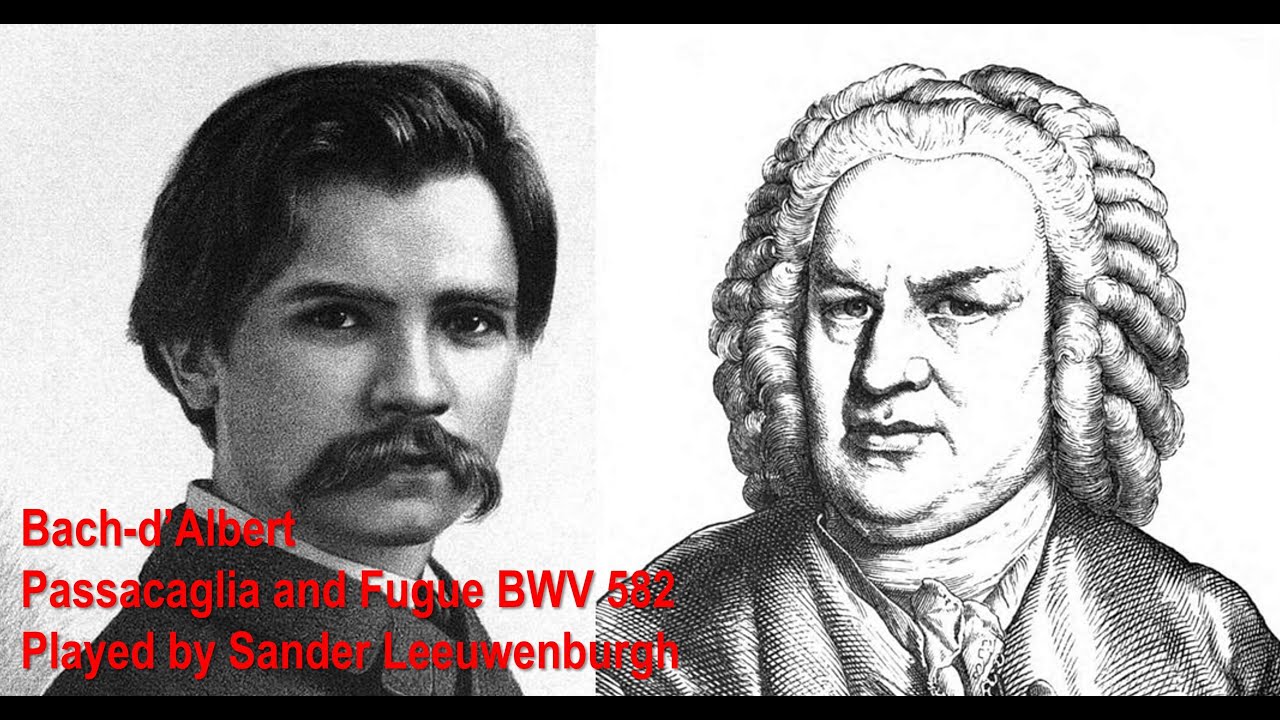
Eugen (originally Eugène) d'Albert (1864-1932) was born in Glasgow (Scotland) and educated in Britain, but he soon emigrated to Germany to study with Franz Liszt due to his strong affinity for German culture and music. As many musicians and composers he recognized the absolute genius of Bach's "Passacaglia and Fugue" and sought to bring it to a broader audience. D'Albert's arrangement for piano, created in the late 19th or early 20th century, is a testament to both his deep admiration of for Bach's work and his virtuosity as a pianist. The transcription not only adapts the music for a different instrument but also reimagines it by taking advantage of the piano's dynamic range, expressive capabilities, and ability to articulate voices distinctly. Specifically, the ability to control the decay of notes on the piano contrasts with the organ’s sustained tones, offering an entirely different perspective on Bach’s impressive masterpiece.
0:00 Passacaglia
6:34 Fugue
Recording date: May 23rd 2005 (live recording)
Recording location: ArtEZ Concert Hall, Arnhem Conservatory
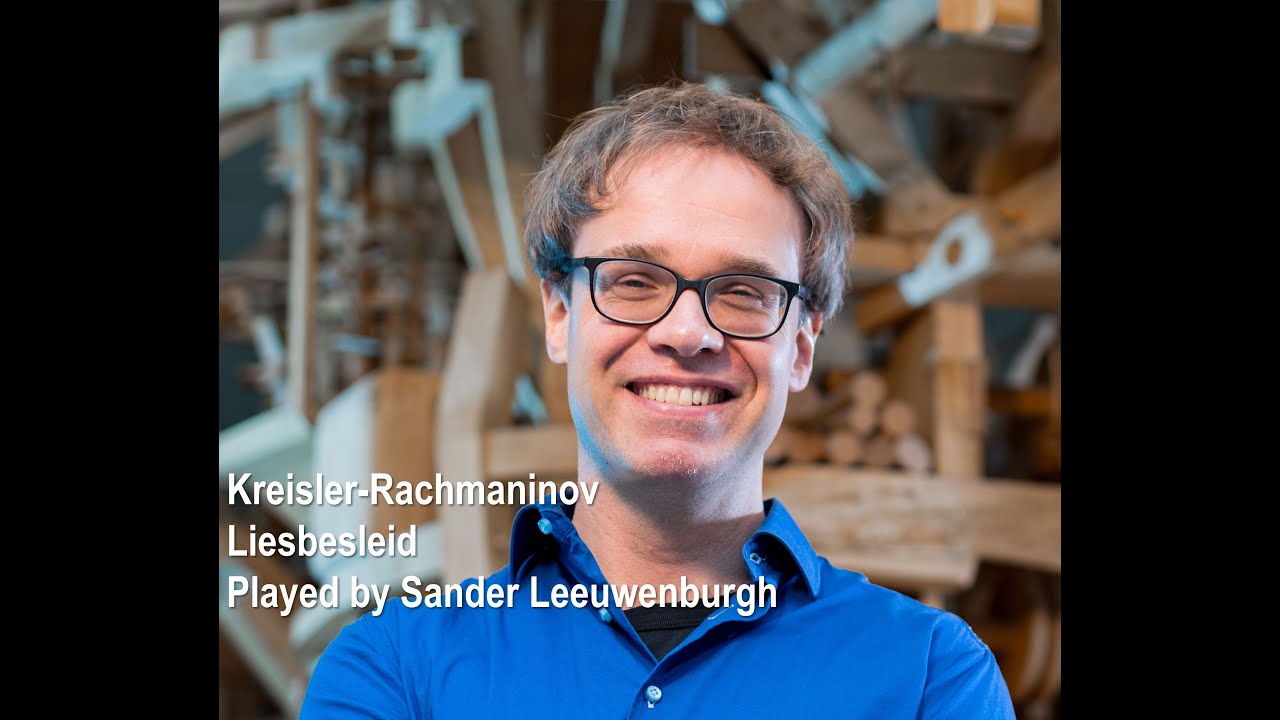
Pianist: Sander Leeuwenburgh
Photo credits: all images from public domain (Creative Commons)
Доступные форматы для скачивания:
Скачать видео mp4
-
Информация по загрузке: