Crash Course in Music Theory (5) - Functional Harmony (Nashville Number System)
Автор: Zack Wing Music
Загружено: 2019-07-23
Просмотров: 784
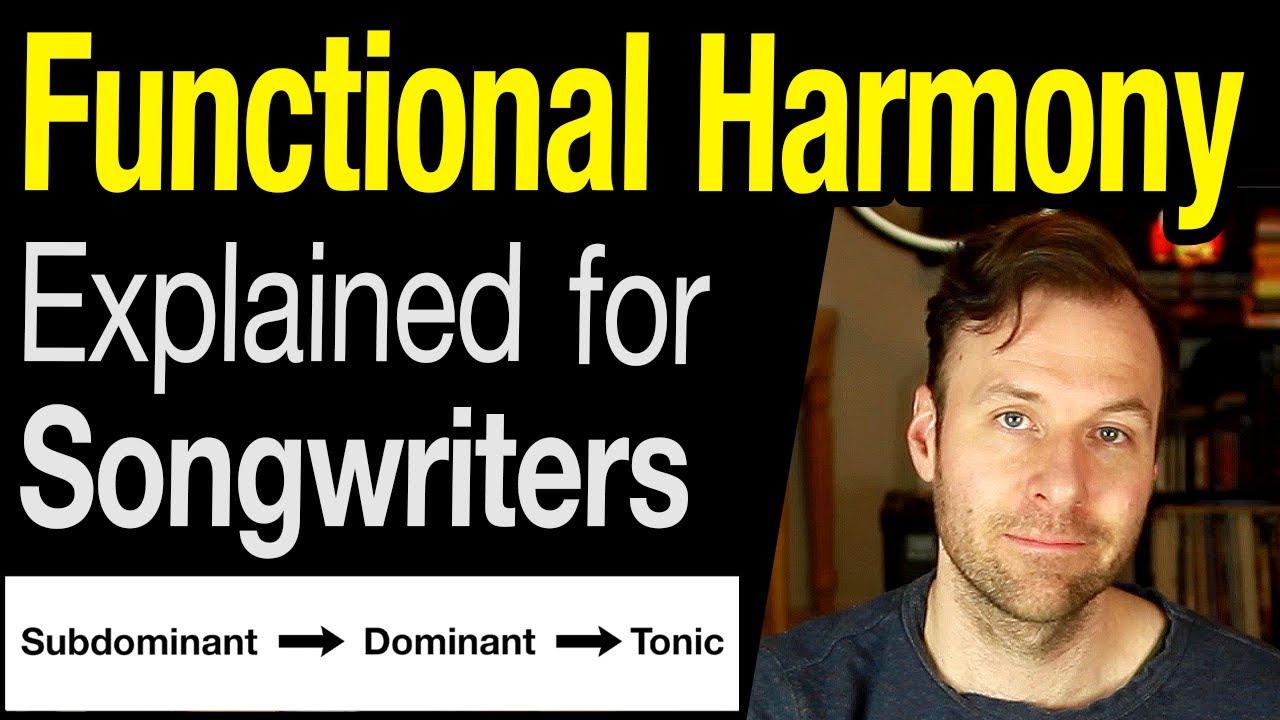
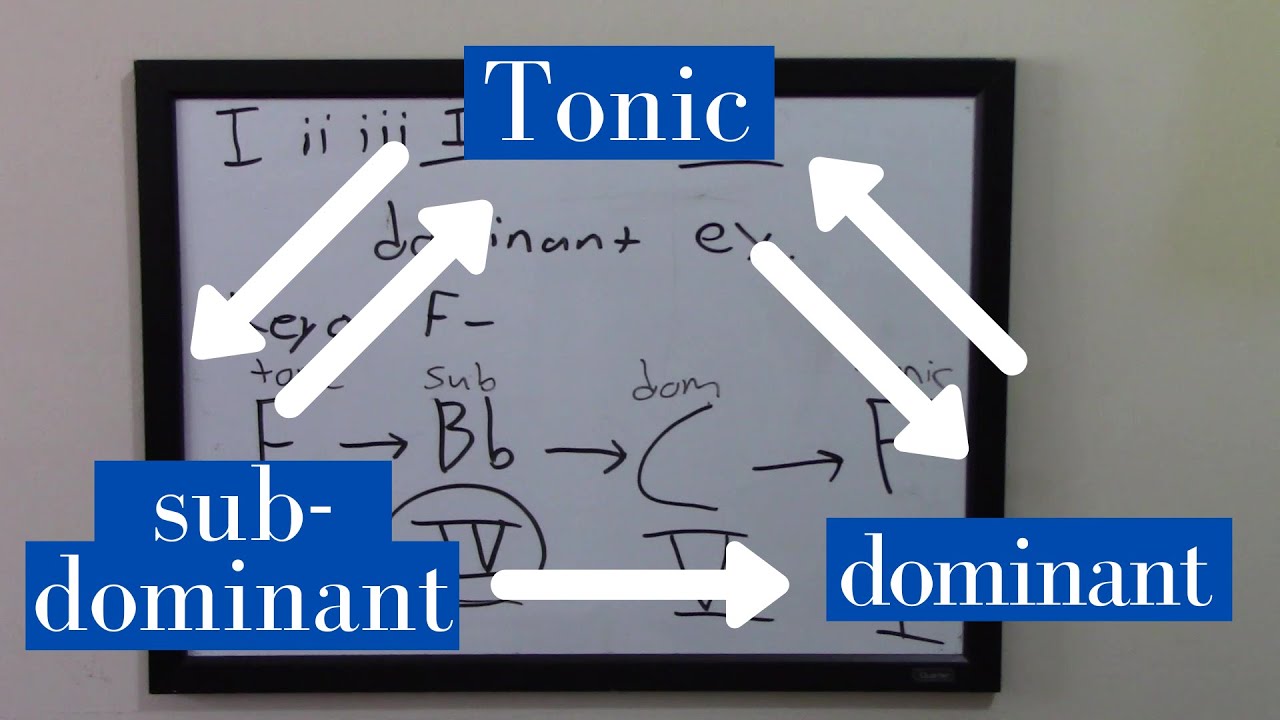
This is the fifth video in my series "Crash Course in Music Theory." It covers the idea of function harmony, which is related to the Nashville Number System.
(While making this video, I actually didn't even think about the fact that what I was teaching was very related to the Nashville number system, so I didn't mention it by name. But it is essentially just referring to chords by their number. Anyone who understands what I explain in this video will be able to understand what people using the Nashville number system are talking about.)
When I started making preparations for my first videos on this channel, I noticed that I was expecting my viewers to know quite a bit of music theory. I found myself having to explain several foundational concepts rather than really being able to hone in on the subject at hand. So I thought it wise to first make a video series on basic music theory so that I don't have to explain everything every time I make a video! Consider this your introduction to music theory!
This isn't normally a subject that you can master in 5 minutes. Though I explained the concepts thoroughly in the video, you might need some guided practice to really master the material. So, I will write out some practice exercises here, and anyone who is interested can do them. The answers will be at the bottom of this section.
1) How would you write out the following chord progressions using numbers? The first chord is the one chord. (A capital letter represents a major chord. A capital letter followed by a lowercase "m" represents a minor chord. B= B major chord. Bm= B minor chord. For our purposes right now, our chords (1-7) will look like this: I, ii, iii, IV, V, vi, vii)
a) G, D, Em, C
b) B♭, Dm, Gm, F
c) F#, G#m, C#
2. In these examples, the first chord may or may not be the one chord. (You have to figure out which major scale each set of chords belongs to. Only chords that naturally occur in the major scale are used, so there is only one correct answer.)
a) F, C, Am, G
b) Bm, C, D, G
c) E♭, A♭, Fm, B♭
3. Write out the following chord progressions using letters.
a) Key of A: I, ii, V, I
b) Key of A♭: vii, iii, vi, ii, V, I
c) Key of D: VI, I, V, vi
4. Go listen to Jason Mraz's song "I'm Yours" and try to write down the numbers of the main chord progression. (The majority of the song consists of 1 chord progression.)
About me: My name is Zack Wing, and as I type these word I've been playing guitar for about 14 years and teaching guitar for about nine. I dabble with other instruments like bass guitar, drums and piano. I also love song writing and composition, recording and production. I have a BS in Music Business that I got solely because it was free.
You can follow me on:
Facebook: / zackwingmusic
Instagram: / zackwingmusic
If you enjoyed the video and would like to see more content, be sure to like the video, subscribe and turn on notifications! Also, if you have any questions about the material, you can ask me in a comment below, or private message me on social media!
If you have any suggestions for topics that you would like to see covered on this channel, be sure to let me know!
Answers to the practice exercises:
1.
a) I, V, vi, IV
b) I, iii, vi, V
c) I, ii, V
2.
a) IV, I, vi, V
b) iii, IV, V, I
c) I, IV, ii, V
3.
a) A, Bm, E, A
b) G°, Cm, Fm, B♭m, E♭, A♭
c) G, D, A, Bm
4. The majority of the song is I, V, vi, V.
4.1 (Extra Credit): What is the other chord that Jason Mraz throws in at the end of the second verse? Answer in the comments!
Доступные форматы для скачивания:
Скачать видео mp4
-
Информация по загрузке: