The blasted comfrey has got to go!
Автор: The BHU - Organic Horticulture
Загружено: 2026-01-07
Просмотров: 64
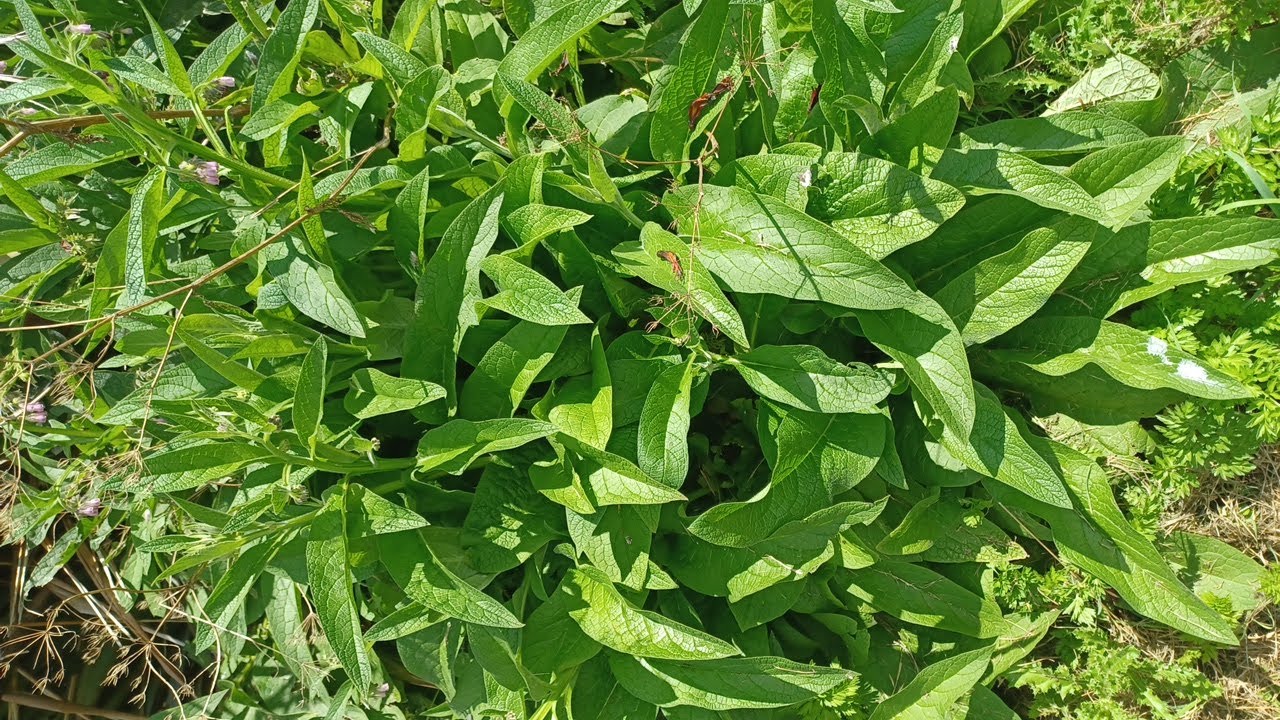
Happy new year! Comfrey (Symphytum officinale) has a long association with organics often being considered a ‘wonder plant’ by some. However, it’s touted benefits such as bringing up nutrients from depth to help ‘fertilise’ the soil, to make the likes of comfrey ‘tea’ (foliar fertiliser) and various health claims are at best overstated and at worse just plain wrong. One real benefit is it produces lots of nectar although it’s at the end of a long has a long nectar tube so only larger insects with long tongues like bees can access it - and they love it!
It’s association with organics goes back to Henry Doubleday (1810–1902) https://en.wikipedia.org/wiki/Henry_D...) who bred comfrey with the aim of making gum arabic among other things. Then in 1953 Lawrence D. Hills founded the Henry Doubleday Research Association (HDRA) now Garden Organic https://www.gardenorganic.org.uk/ who picked up Doubleday’s fascination with comfrey hence why he named the organisation after him.
However comfrey has a dark side in that it can vegetatively reproduce from root fragments and as it has large thick storage roots that are its perennating organs (it’s deciduous and goes dormant over winter) it is very easy to spread around with cultivation / tillage equipment. It is also very competitive and will kill off most other pasture / herbaceous species, so it is thus a real weed https://onlinelibrary.wiley.com/share.... It does also produce seeds though for us the main route of spread is root fragments and students planting it when they should not!
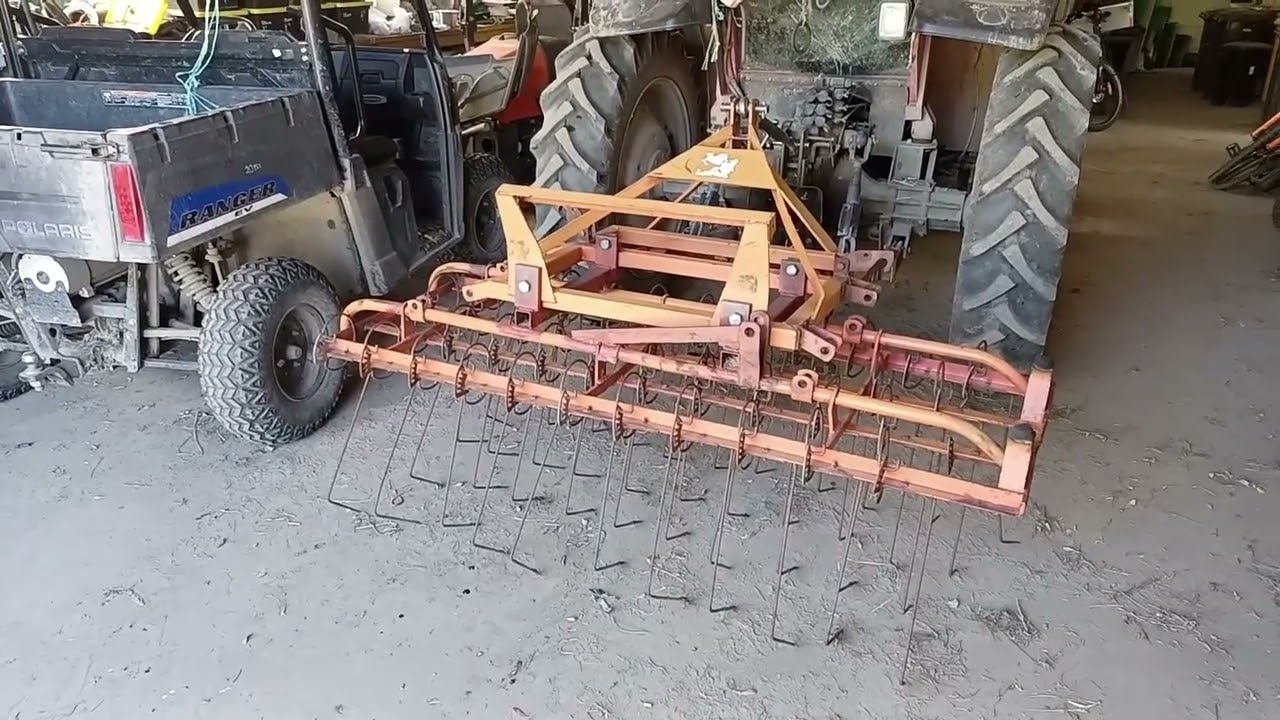
Comfrey was introduced to the BHU in the 1970s-80s due to it being highly regarded in organics back then. However, it has now become a very problematic weed - even worse than creeping thistle (Cirsium arvense) and has come to dominate whole areas. As synthetic herbicides are prohibited in organic agriculture, the main alternative weed control approach is cultivation, which in the case of comfrey just makes the problem worse. So, as the comfrey is now spreading to the wider farm we need to do something about it. After a few different ideas including blackout tarps, we have now settled on shallow rotovating (rotary tilling) the crowns to smash them up then using an undercutter bar to slice through the soil and the comfrey roots, using multiple passes to cut lower and lower such that the cut root fragments are small enough to die and the undamaged lower roots are so deep they can’t reach the surface again. If they do, then they will get hit another time. We are also going to try this approach on creeping thistle as well. We’ll report back in a future video how this has worked out.
Доступные форматы для скачивания:
Скачать видео mp4
-
Информация по загрузке: