Genesys Cloud Interaction Routing Explained: The Architect Overview
Автор: Genesys Cloud with Logan
Загружено: 2025-11-17
Просмотров: 102
!!CHECK TO HIT THE SUBSCRIBE BUTTON!!
The Genesys Cloud Interaction Routing system is designed to dynamically match any incoming customer interaction (call, chat, email, message, etc.) to the best-suited available agent using a multi-layered approach.
It moves beyond simple "next available agent" routing to focus on optimization based on skills, data, and even AI predictions.
Here is an overview of the key components and routing methods:
________________________________________
1. The Two Pillars of Routing
Genesys Cloud routing is controlled by two main components working together:
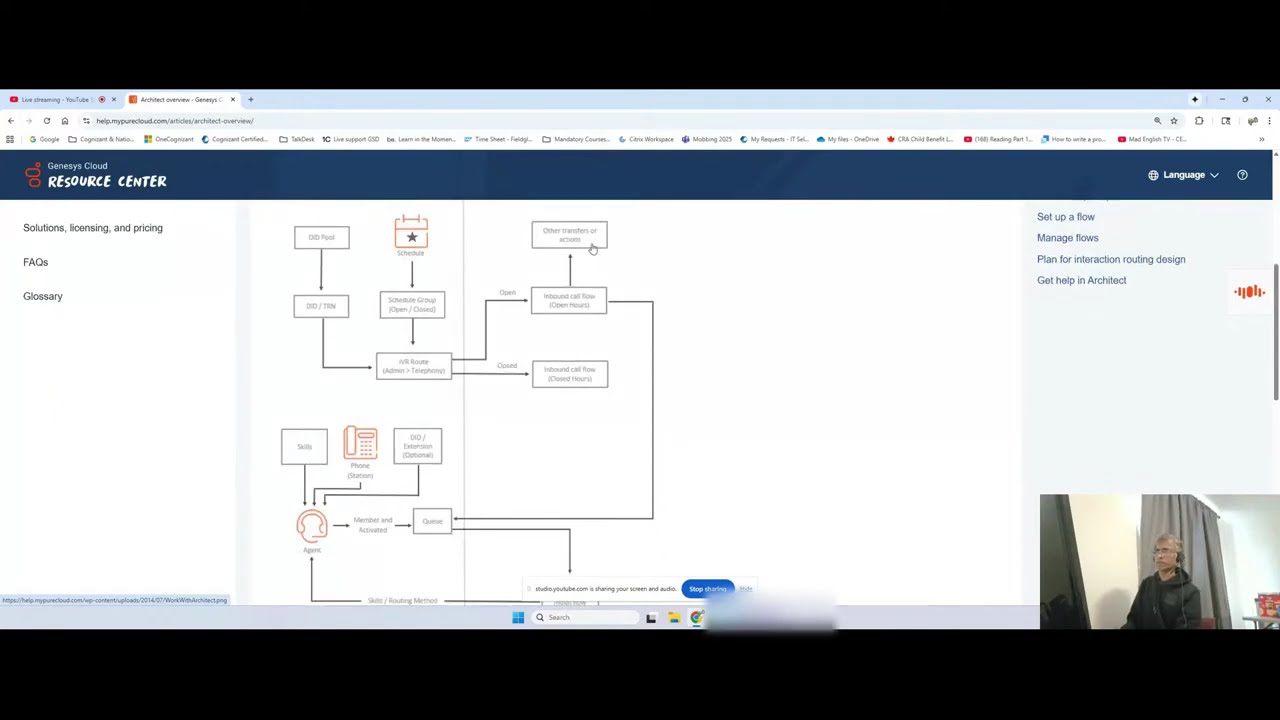
A. Architect (The Flow)
• Function: This is the front-end logic. It decides where the interaction should go.
• Actions: Architect flows (Inbound Call Flows, In-Queue Flows, etc.) answer the phone, play IVR prompts, perform data dips (Data Actions), check hours of operation, and ultimately use the Transfer to ACD action to hand the interaction off to a queue.
• Result: Architect applies necessary skills or priority adjustments to the interaction before placing it in the queue.
B. Queue Configuration (The Engine)
• Function: This is the back-end logic that decides which agent should receive the interaction from the queue.
• Key Settings: Every queue is configured with a Routing Method and an Evaluation Method to determine the agent match.
________________________________________
2. Core Routing Methods
You select one of these methods on the queue configuration page to determine the agent-matching behavior:
Routing Method : Standard ACD
Description : Routes the interaction to the longest-idle available agent who matches the required skills. It is the default, most basic routing method.
Use Case: General support or high-volume queues where speed is the top priority.
Skill-Based Routing (SBR) Matches the specific skill and proficiency level (1-5) required by the interaction to the agent's assigned skills.
Use Case: Specialized teams (e.g., French speaking, Billing Experts) where agent expertise is key.
Bullseye Routing Attempts to match the interaction to a small pool of highly skilled agents (Ring 1). If no match is found, it automatically relaxes the skill requirements or expands the agent pool (Rings 2-6) over time. High-priority interactions where you want to exhaust the best options before settling for less specialized agents.
Predictive Routing Uses Machine Learning (AI) to analyze historical data and predict which agent-interaction pairing will best optimize a specific KPI (e.g., First Contact Resolution, Lower AHT). Large contact centers focused on maximizing specific business outcomes using data science.
Preferred Agent Routing Routes interactions to a specific, designated pool of "preferred" agents first (often based on customer history, like the last agent they spoke to). Account managers, financial advisors, or teams focused on high personalization and continuity.
3. Key Concepts in ACD
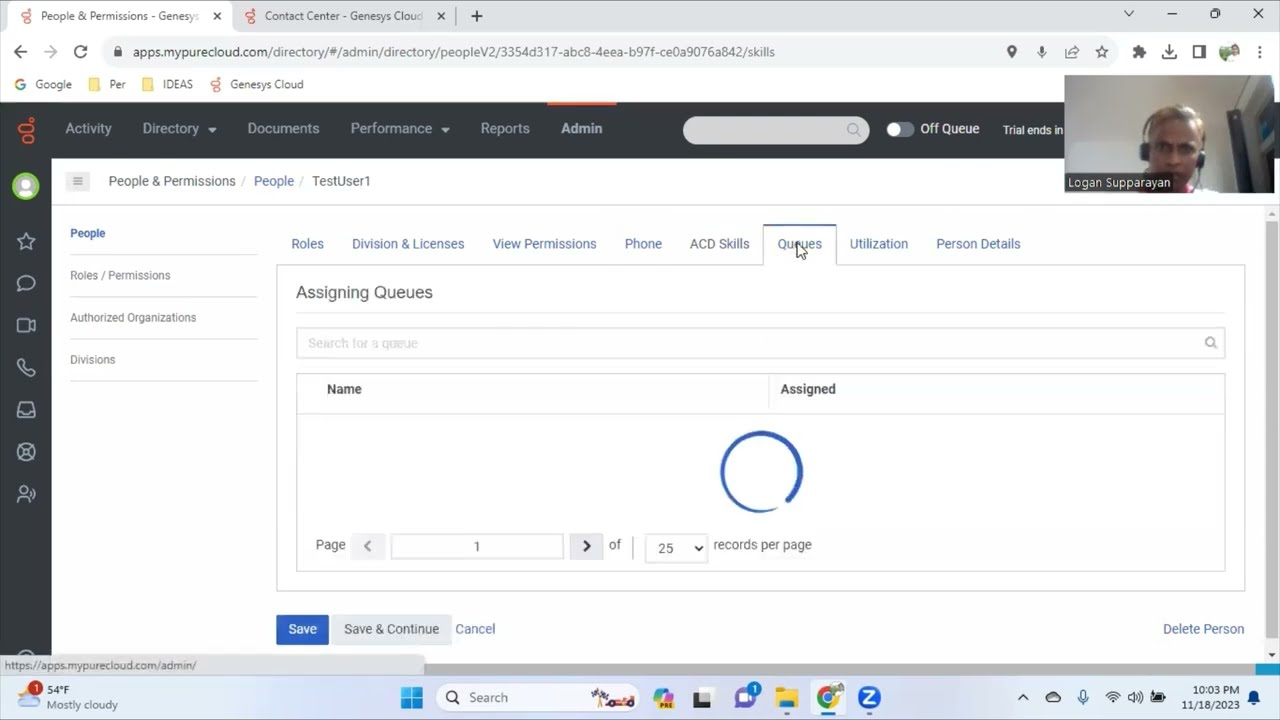
• ACD Skills: Defined areas of expertise assigned to agents with a proficiency rating (e.g., Linux: 5, Sales: 3).
• Evaluation Methods: Defines how skills are processed in Standard Routing:
o All Skills Matching: Agent must have all required skills.
o Best Available Skills: Finds the agent with the highest average proficiency across all required skills.
o Disregard Skills: Simply sends the interaction to the next available agent, ignoring skills.
• Priority and Time-in-Queue: Genesys Cloud ranks waiting interactions. Interactions with higher priority (set dynamically in Architect) will jump ahead of others in the queue, even if they arrived later.
Please feel free to send queries (OR) ask for in person training FOR FULL COURSE WITH HANDS-ON EXPERIENCE when you are interested.!
Contact me through My email:LOGAN.SUPPARAYAN@GMAIL.COM
Доступные форматы для скачивания:
Скачать видео mp4
-
Информация по загрузке: