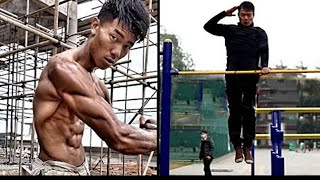
Pull Ups in Muay Thai
Автор: Fight Vision - Muay Thai - Thai Boxing
Загружено: 2025-10-04
Просмотров: 2812
Support channel and become sponsor and get all FIGHT VISION MUAY THAI and MARTIAL ARTS COURSES:
/ @fightvisionnet
Pull-ups earn their place in a Muay Thai program because they train the same qualities you need to control the clinch and keep your shoulders healthy through months of pads, bag work, and sparring. When you pull your body to the bar with a steady chest and quiet legs, you are teaching your lats, mid and lower traps, rhomboids, rear delts, biceps, brachialis, and the small muscles of the forearm to work together. Those muscles are the seatbelt that holds your shoulder in a strong position. In the ring that seatbelt shows up when you drag an opponent’s head down from a collar tie, when you fight for inside position with patience, and when you keep your guard steady while your lungs are burning. A good pull-up is not only an arm exercise. It is a lesson in how your shoulder blade should move, how your ribs should stay down, and how your grip sets the tone for everything that follows.
Think about the double collar tie. If your shoulder blades shrug up to your ears, you lose leverage and your forearms gas out. If your shoulder blades sink down and slightly back, you get a firm frame through the lats and traps. Pull-ups teach that depression and retraction on every single rep. The start of a strict pull-up begins with what lifters call an active hang. You do not yank yourself up from a limp position. You first pull your shoulder blades down and away from your ears, you lock your ribs, and only then you bend the elbows. That same sequence appears in the clinch. Strong hands matter, but the hands are only the end of the chain. The link that decides the exchange is the way your shoulder blade moves on your rib cage. When that link is clean, your pull feels heavy to the other person and light to you.
People often ask what exactly the pull-up trains for a striker. The answer goes beyond raw back strength. Yes, the lats are the prime movers. They adduct and extend the shoulder, which is why they help you pull your body up. But the middle and lower traps stabilize the shoulder blade so the ball of the shoulder stays centered. The rear delts help control the upper arm without letting the head of the humerus glide forward. The biceps and brachialis flex the elbow, while the flexors of the forearm and the deep thumb muscles clamp the bar and teach your wrist to stay neutral. Even the serratus anterior plays a role by holding the shoulder blade flush to the ribs as you move. Together they build the posture you need to resist neck wrestling, to pummel without pain, and to return your hands to guard without a hitch after every punch or elbow.
#MuayThai #ThaiBoxing #MuayBoran #MartialArts
Fight Vision Muay Thai - all about Thai Boxing!
SUBSCRIBE!

Доступные форматы для скачивания:
Скачать видео mp4
-
Информация по загрузке: