How to Cook Bone-In Ribeye in Cast Iron (Tomahawk Method) — Perfect Cap & Eye
Автор: W2 KITCHEN
Загружено: 2025-08-07
Просмотров: 12192
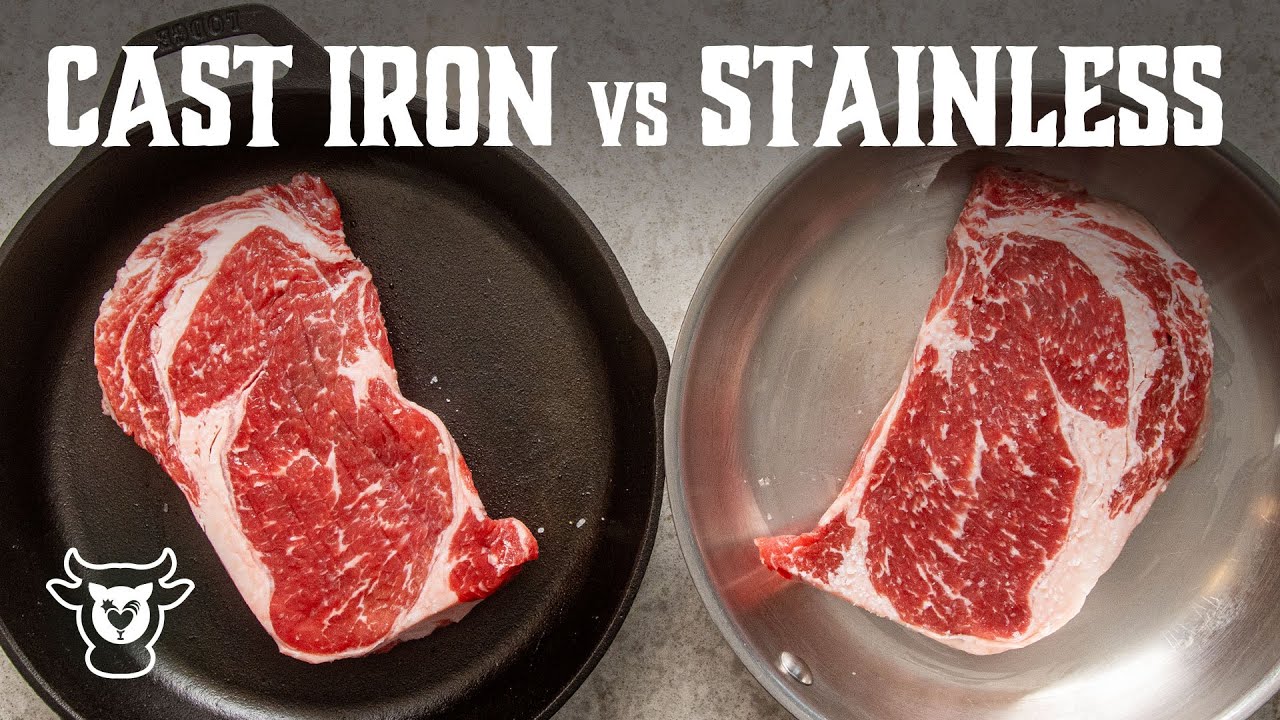
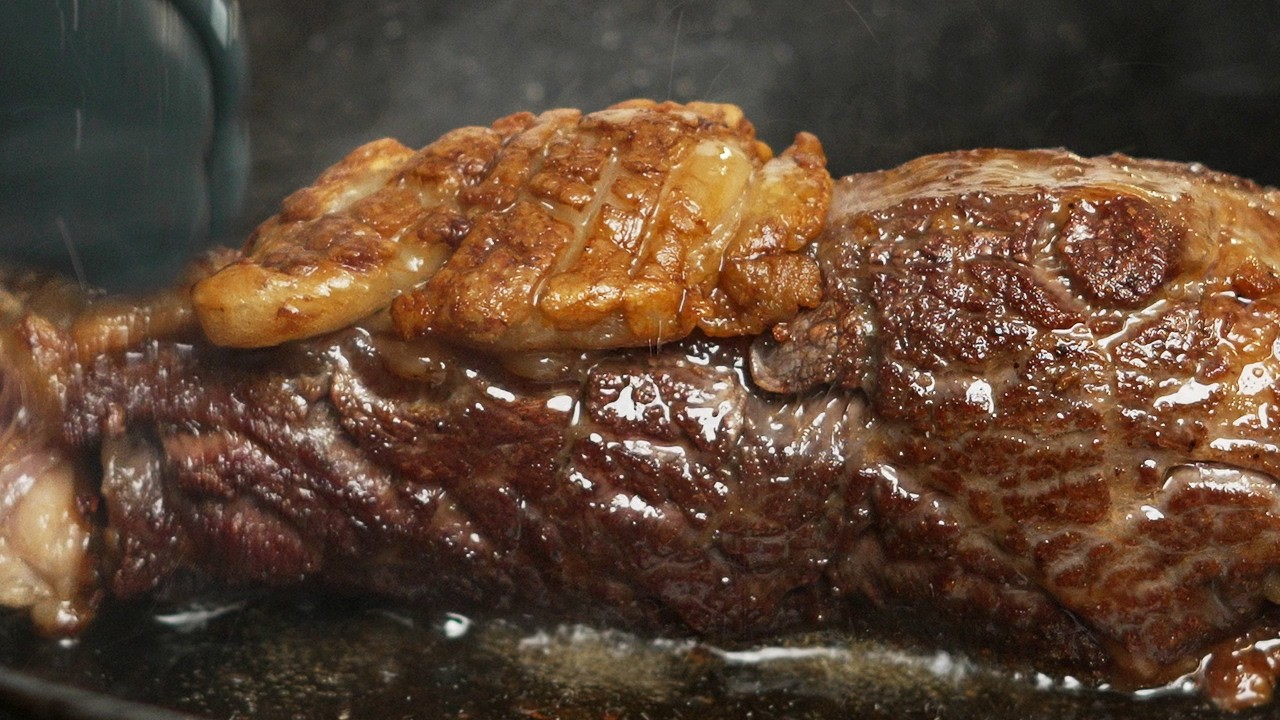
Cook a bone-in ribeye / tomahawk on the stovetop with a cast-iron method that beats the grill. I take the steak off the bone, render the bone into a quick pan jus, then pan-sear the ribeye cap (spinalis) and the eye separately to their ideal doneness (crispy rendered fat, rare-leaning eye, more-done cap). Clear crust, even heat, no grill needed—and this works for tomahawk, rib eye, and thick ribeye steaks.
Ingredients (Serves 2–3)
For the steak
• 1 large bone-in ribeye (1–1.2 kg), ideally dry-aged
• Salt (0.8–1% by weight)
• Neutral oil (e.g. grapeseed, sunflower)
For the bone jus
• Trimmed rib + backbone section from the steak
• Reserved beef fat (from ribeye trim)
• 1 medium onion, sliced
• 3–4 garlic cloves, lightly crushed (skin on)
• Salt, to taste
• Water, as needed
Prep (up to 3 days ahead)
1. Remove bone first
• Follow the rib bone and backbone seams to separate the bone from the meat.
• Keep small amounts of meat on the bone — they will enrich the jus.
• Reserve all large fat trimmings for rendering.
2. Dry brine whole ribeye
• Season the now boneless ribeye with 0.8–1% salt by weight.
• Place uncovered on a rack in the fridge for 2–72 hours. This seasons evenly, improves moisture retention, and extends fridge life.
• With this approach, the jus can also be prepared ahead of time and kept refrigerated.
3. Break down before cooking
• Separate into:
• Cap (spinalis dorsi) – richest and most marbled
• Eye (longissimus dorsi, with complexes muscle attached) – classic steak chew
• Tail (longissimus costarum) – deep flavour, but can be chewy
• Give the large triangular fat cap to the spinalis dorsi — it can handle higher heat and will reach a higher doneness without drying out.
Bone Jus
1. Render fat – In a heavy ovenproof pan, slowly render reserved beef fat until a thin layer coats the base.
2. Brown bones – Increase heat, add bones, and sear until well browned. Remove bones temporarily.
3. Skim & reserve fat – Skim excess fat and reserve for cooking the steak.
4. Cook aromatics – Add onion and garlic, season lightly, and cook until softened and lightly golden.
5. Deglaze – Add a splash of water, scraping up the fond. Return bones and any resting juices.
6. Braise-roast – Add just enough water to come halfway up the bones. Cover loosely and cook in a 180°C oven for at least 1 hour.
7. Finish – Strain and set aside. Can be kept in the fridge for up to 3 days. Reheat and reduce to a spoon-coating glaze before serving.
Cooking the Steak Components
Cap (spinalis dorsi) – fatty, most flavourful
• Score the fat cap well. Wrap the thinner flesh side with the triangular tail fat for protection during rendering.
• Start cold in a pan, rendering fat slowly over low heat for 12–15 minutes, keeping the interior rare.
• Remove to rest. Leave the triangular tail fat in the pan — it will remain there until the end, rendering into a crispy slab to be carved against the grain.
• After the eye is cooked, return the spinalis to a hot pan to sear the surface, cooking to 53–54°C internal (about medium after resting).
Eye (longissimus dorsi) – classic steak chew
• Sear in reserved bone fat over medium-high heat, flipping every 10–15 seconds for even browning without a thick temperature gradient.
• Cook to 45–46°C internal, which will rise to ~52°C after resting (rare–medium rare).
Tail (longissimus costarum) – deep flavour, can be chewy
• Either braise with bones or quick-sear to very rare for tenderness.
• If quick-seared, slice very thinly across the grain before serving.
Finishing & Serving
1. Rest all components to allow carryover cooking and muscle relaxation.
2. Reheat and reduce bone jus until glossy and spoon-coating.
3. Slice steaks across the grain. Arrange spinalis, eye, and tail on a warmed plate.
4. Top with crispy rendered fat, garnish with watercress, and crown with the roasted bone for presentation. Spoon over jus.
Notes
• Separating components allows each muscle to reach its ideal texture and flavour.
• Slow rendering on the spinalis is crucial — it should be tender and deeply browned, never greasy or undercooked.
• The jus benefits from being made ahead, allowing for gentle reheating and easy last-minute reduction.
• A thick-cut ribeye gives enough definition between muscles for precision cooking.
____
📸 Follow us on Instagram » / w2kitchn
#W2Kitchen #ribeye #ribeyesteak
Доступные форматы для скачивания:
Скачать видео mp4
-
Информация по загрузке: